Bastions Breached

There are few bastions left between me as I think of myself and the caricature of a Sussex housewife I seem to be becoming – and one of the few was breached today.

( Do you breach a bastion and if you do, do you have an undefended citadel? I’m sure my Best Beloved will put me right on this.)

Anyway, suffice it to say I put entries into the village horticultural society spring show.

Those who know me well might find themselves taking a sharp intake of breath – I certainly did.

Now, you need to know this is not so much a jolly village event when people turn up with their daffs in a vase, or a couple of hyacinths, or a pickle they made last Autumn.

Well actually they do but they have to be within the rules of the national Horticultural Society which seem to be quite finickity – and are judged by visiting experts.

Your pickle or jam:

I never even thought about the daffodils:

Yes indeed.

The BB was very supportive and a whole lot better than me at flower arranging so this is what we put in the hellebore class: 

And a hyacinth.

By the way that vase is Roman glass – it did me no good.

Neither did the fact that we knew nothing about how to make sure hellebores don’t droop.

(Apparently, I learn form YouTube much too late, you should pick the ones that have set seed, or score the stems, maybe plunge  them briefly into boiling water and then into cold water…….)

Other, more experienced Sussex housewives obviously knew what they were doing.

But there was a cooking class and one of the categories was a leek and cheese tart. Now, I can make that with my eyes closed ( as they say).

I was a bit distracted when I made it and it didn’t turn out as my best ever so I thought I might scrap it and make another one.

But one of the few bastions left was the thought that I would not be true to myself if I found myself re-cooking an entry to the village horticultural society spring show.

So I didn’t.

I took it down to the village hall and told my good friend (very good gardener but not keen on cooking) and who said she had nothing in the fridge, she could have it for supper.

This is what the judge said:

My friend said she could imagine my face when I read those comments – mind you she also said she didn’t care as it was her supper.

So, I am assuming that she is eating it without worrying about the fact I hadn’t trimmed the pastry as well as I could. In fact I am sure she is.

I was expecting to think ‘OK done that once and that is more than enough.’ 

But alarmingly, I found myself back at home leafing through the list of categories for the summer show and ticking what I think I might enter.
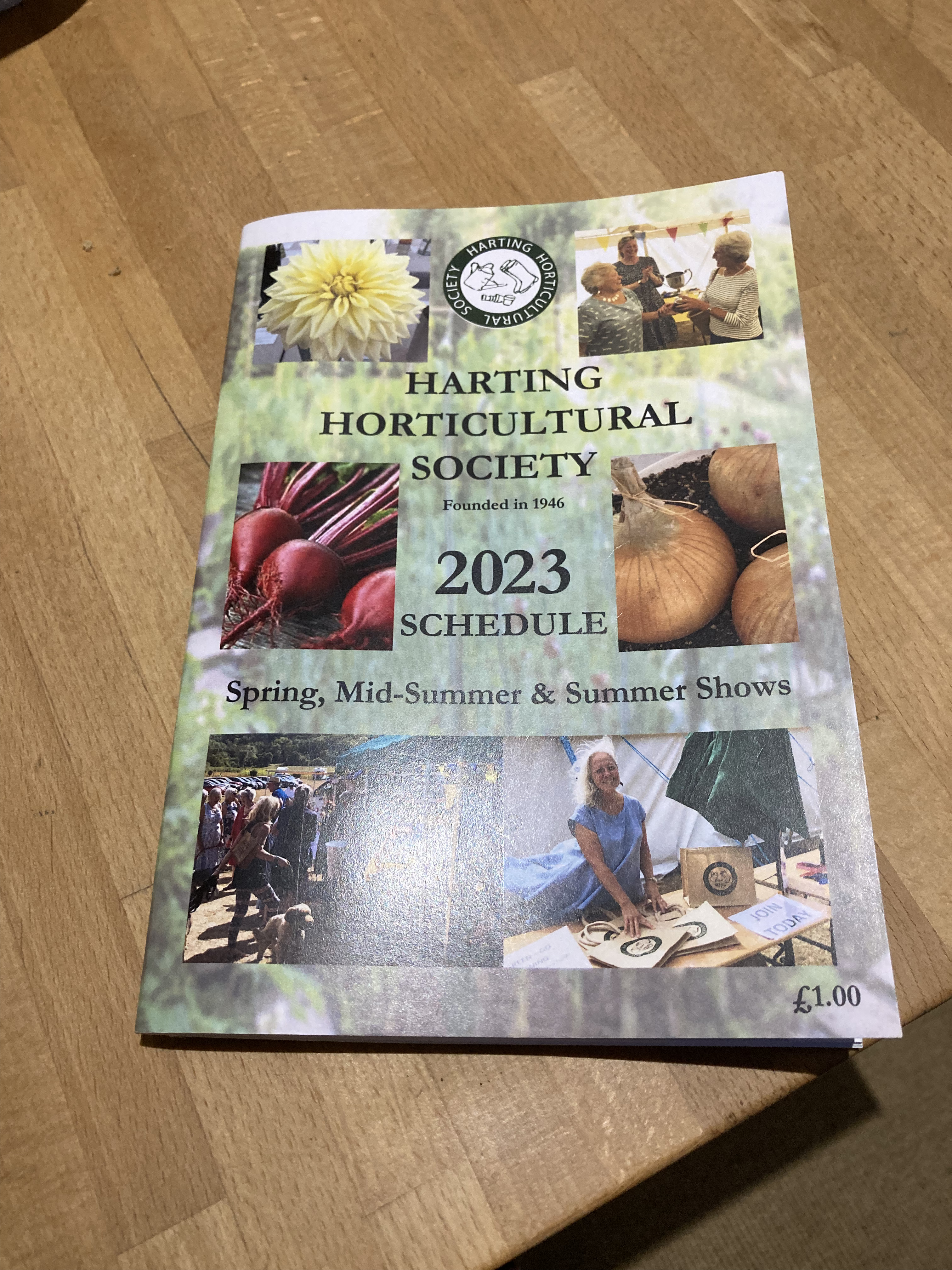
Another bastion breached.

Salvaged

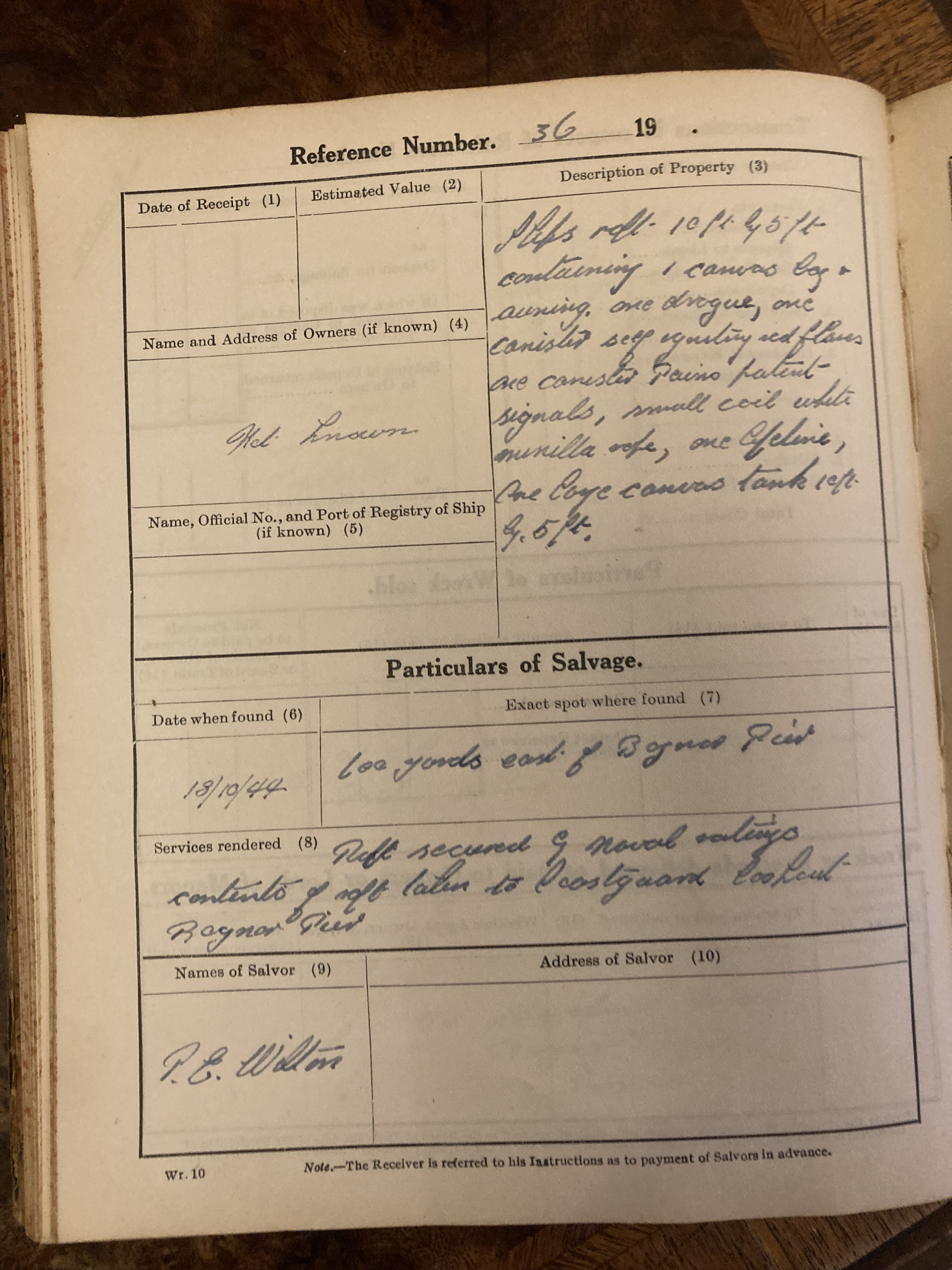
We get a lot of history books into the Oxfam shop, but not many written by hand.

And though perhaps not actually strictly a history book, it is a book which is a part of history.

This nicely (but now rubbed and faded on the outside,) marbled book holds a record of wartime salvage off the Sussex coast.

Before your mind wanders to a romantic story of villagers pillaging loot under the cover of darkness as the waves of the channel swish along a hidden slice of coastline, stop it.

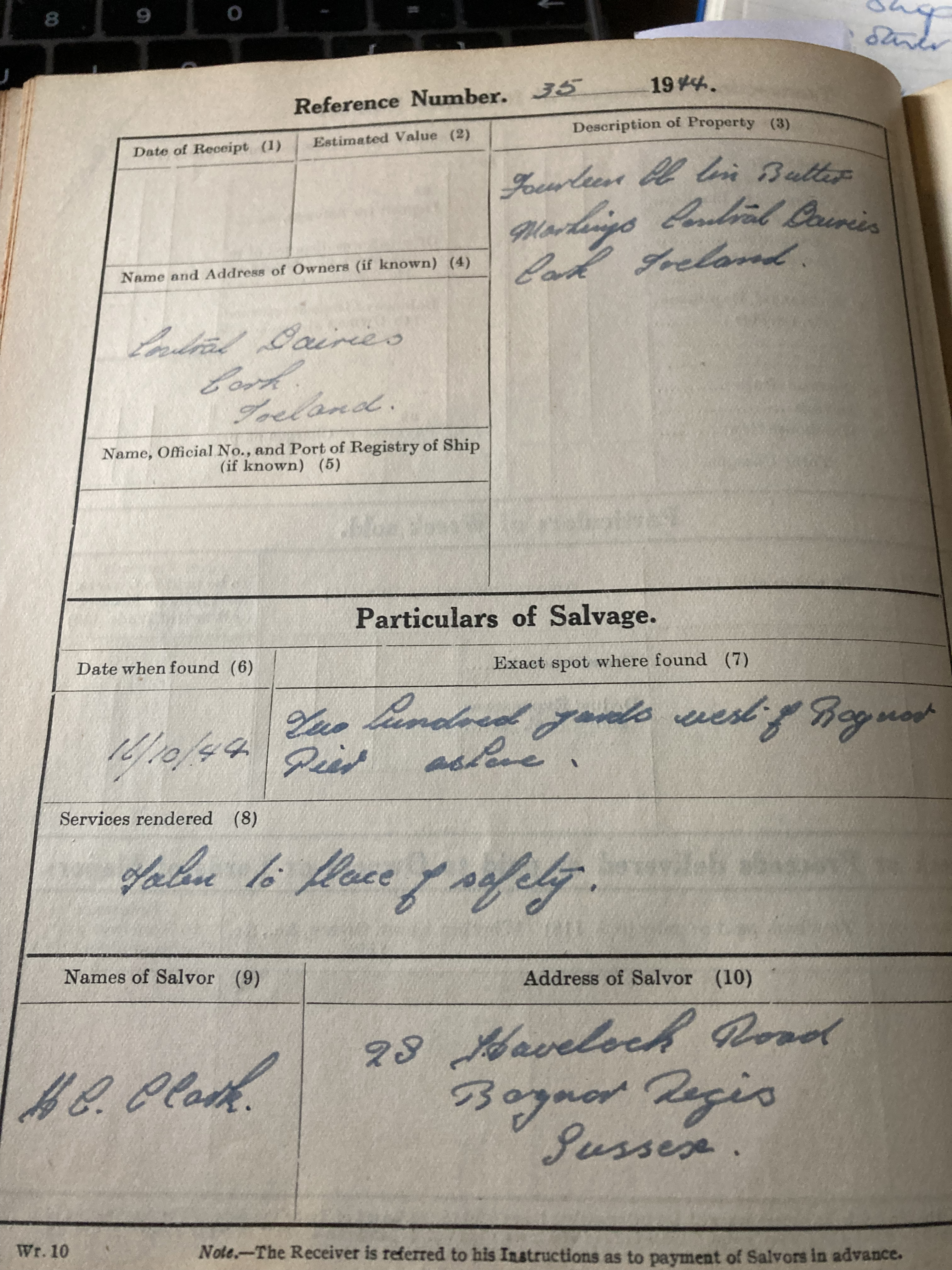
This is a series of terse listings of what, where and who from 1943 to 1947.

Written, I am thinking, by men who were charged with creating a log to keep officialdom happy or at least undemanding, or just to have a record of what appeared on ‘their’ shores.

The title page is blank so they ignored the boxes asking who they were  – and if you read it carefully, you will see that perhaps officialdom was looking for a few more details. 

They knew what was found, where and who carried out the salvage but as to what it was worth, who was paid what as a result or who the owners were – it is all a mystery to us and perhaps them.

There is different handwriting as we move through the book and the years – some more legible and some a fraction less terse, but nowhere are we getting the backstory.

What ship shed its load of rubber? There were various amounts of rubber found at various dates, in places from ‘ bottom of sea lane, Angmering-on-Sea’ to five yards below the High Water Mark outside the Pheonix Club, Alma Hotel, Middleton-on-Sea, and one bale of unmarked rubber on the foreshore of the Craigwell Estate.

I have no idea who was filling in these entries and what official capacity they held, but we do get an idea if who was doing the salvaging.

Quite a number were Canadian soldiers – not entirely surprisingly as there were a lot in Sussex and presumably were allowed onto the fortified beach when ordinary locals weren’t.

But there were salvaging civilians including E W Morris, Lorry Driver, 50 Highfield Road, Bognor Regis.

And, Richard Davie, Police Constable, Police Cottage, East Preston, Sussex.

J O’Connell of Admiralty Road, Felpham salvaged ‘Paraffin Wax approx 150 lbs no marks.’

The names don’t repeat – with the exception of Constable Davie which might point to locals handing stuff over to him whether completely to not – so presumably these were not professional salvagers unless there was a significant number of them vying for stuff all along the Sussex coast.

I am assuming that most of what was found was flotsam (being the stuff that was not deliberately thrown overboard) as opposed to jetsam which was, you won’t be surprised to hear, was jettisoned.

And there are other more interesting finds than rubber or paraffin so, if you have the time and energy to read on.

It seems as if the entries all refer to things which ended up on the shore and indeed quite a lot is listed as being pulled above the high water mark.

But more portable stuff was ‘taken to a place of safety’ and interestingly, that place is rarely identified.

I could run away with the idea that places of safety might include shed, kitchen cupboards, or under counters but there is the official record – however thin and terse – of what arrived on land so presumably the salvagers were an honest lot.

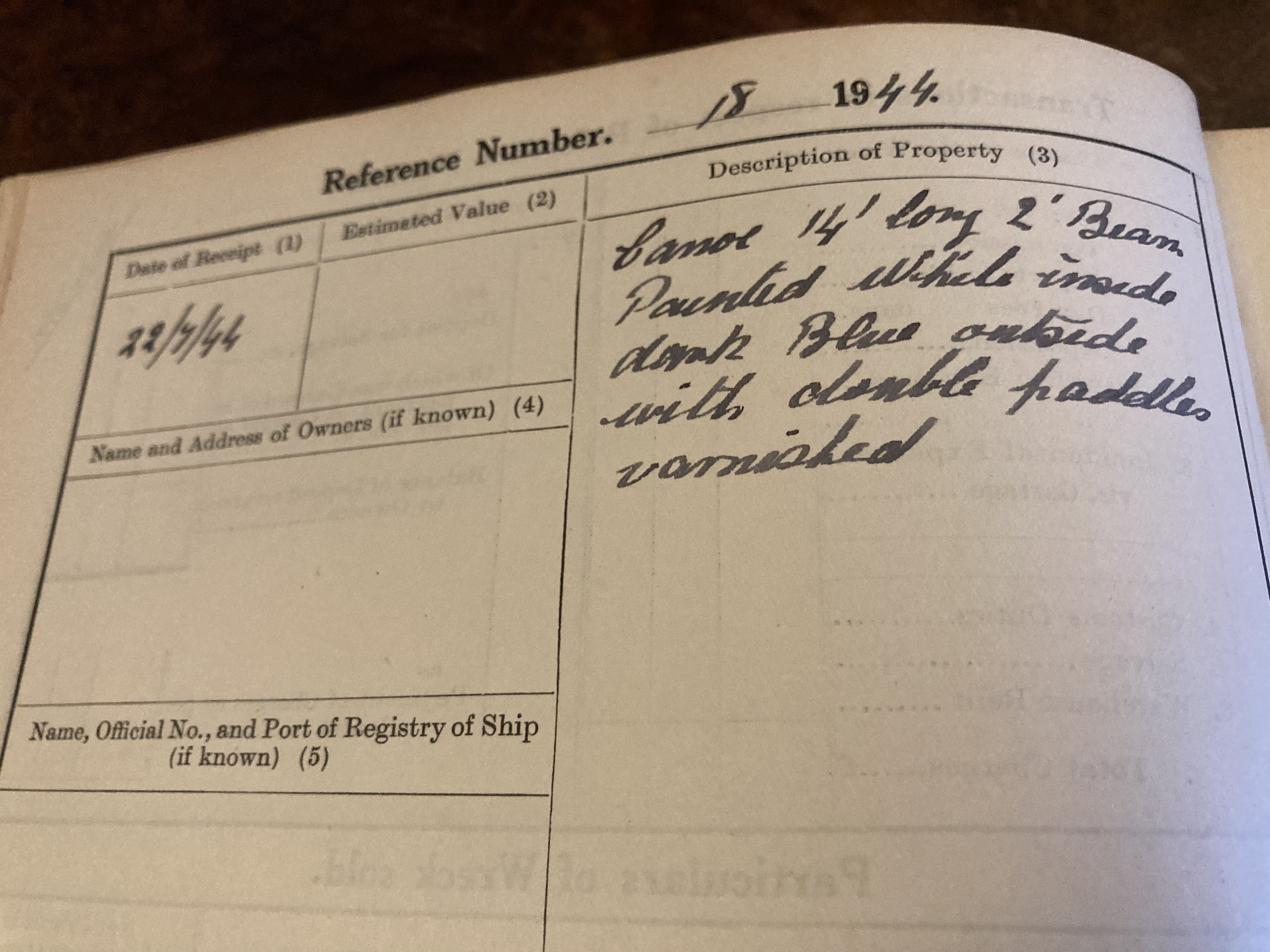
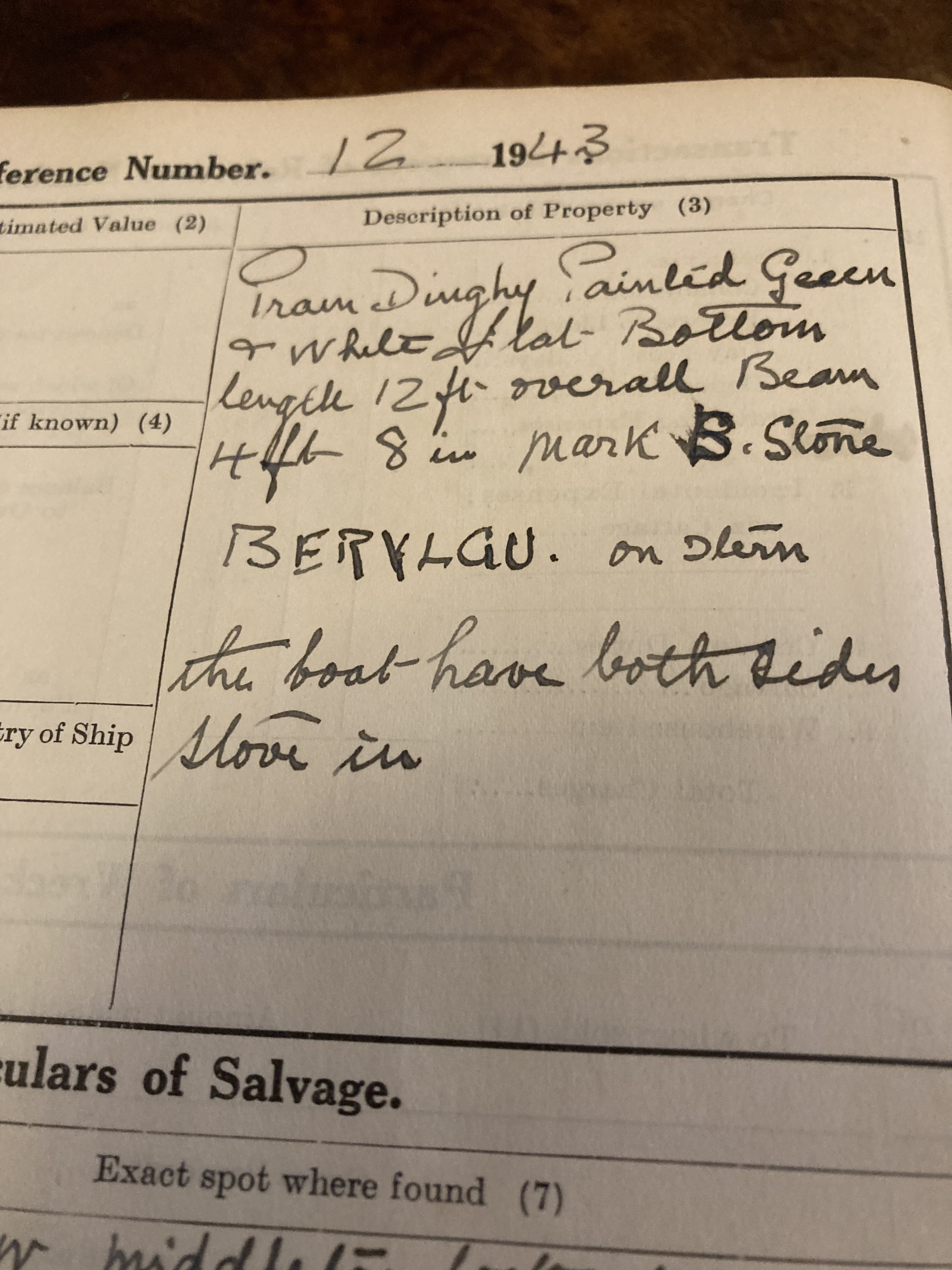
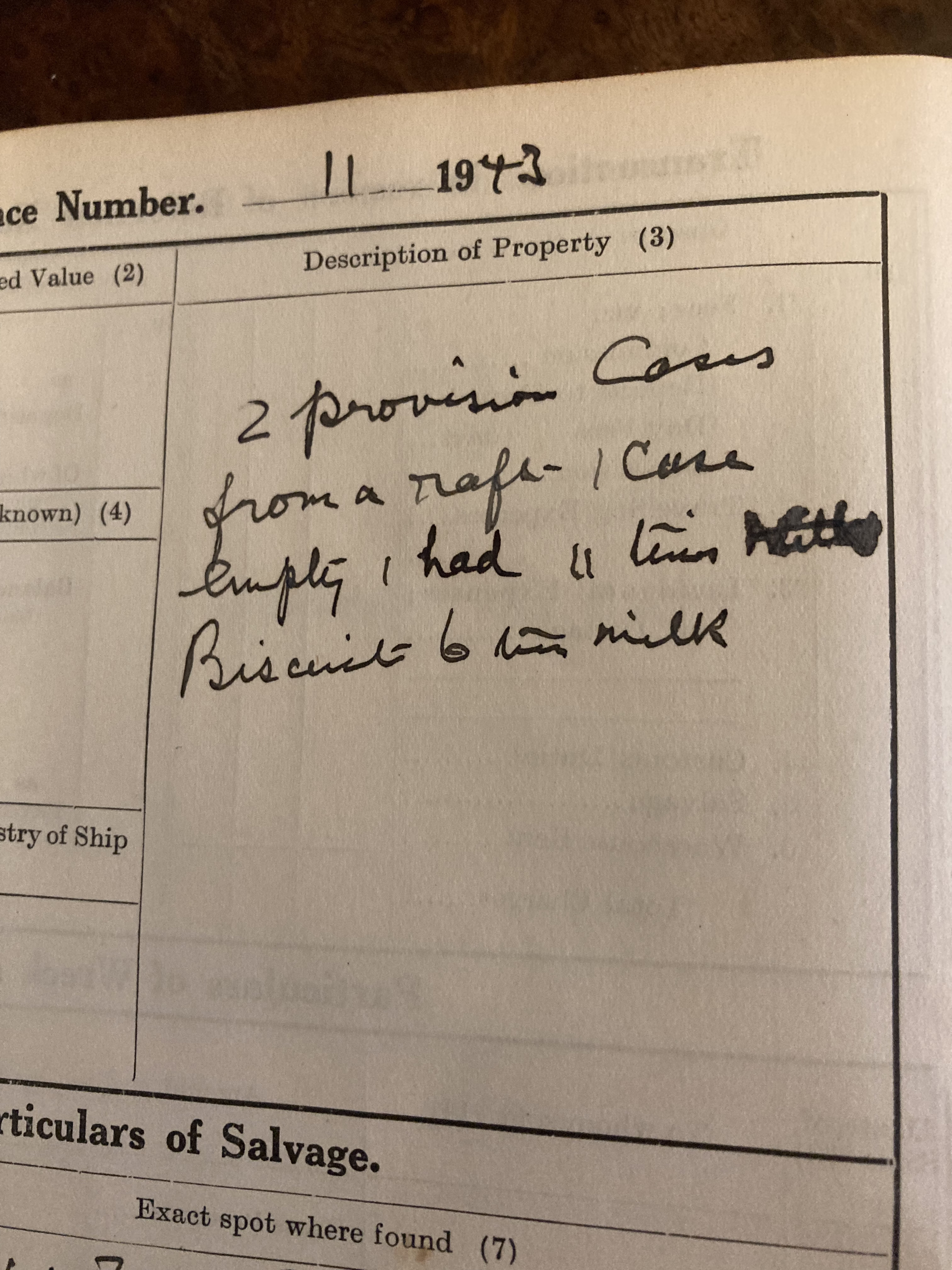
For instance:

There are a number of dinghies, and a canoe complete with oars.

With a couple of exceptions, none of the boats had names. Perhaps that was common in the war, but where did they come from? What happened to the people in them? Why were people out in dinghies, or indeed canoes in the channel during a war?

Finally, perhaps the saddest entries are those of ships’ life rafts

Hopefully, we will find someone who wants to research/appreciate/understand this brief record of an aspect of Sussex coastal wartime history – if we do, I will let you know.

More than books

There are all sorts of strange things donated to Oxfam bookshops and recently we seem to have had our fair share. 

I have covered this theme before but do you know what, it still keeps happening. All these were donated in the last week.

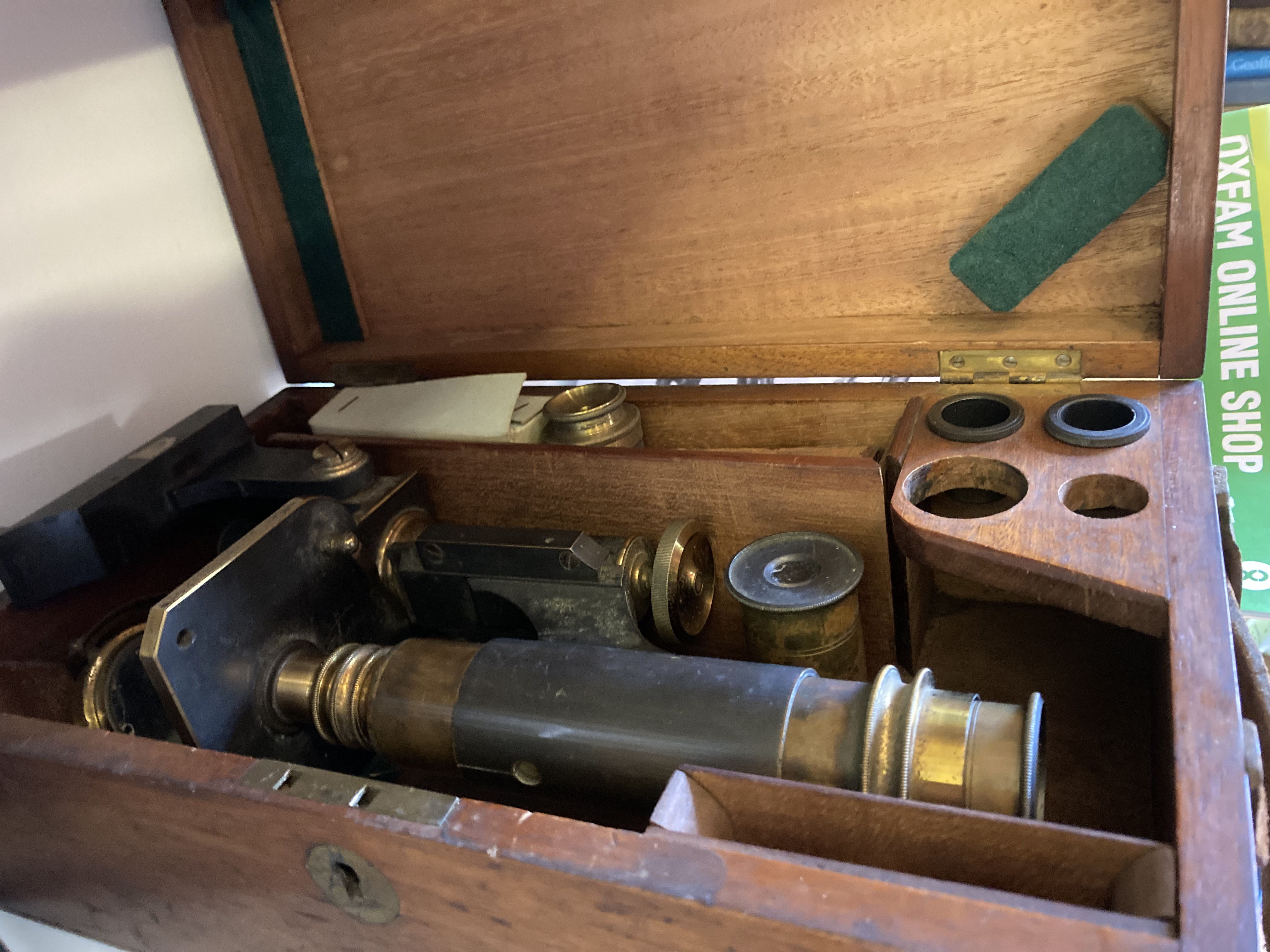
Here is a microscope, from we think, the mid to late 1800s.

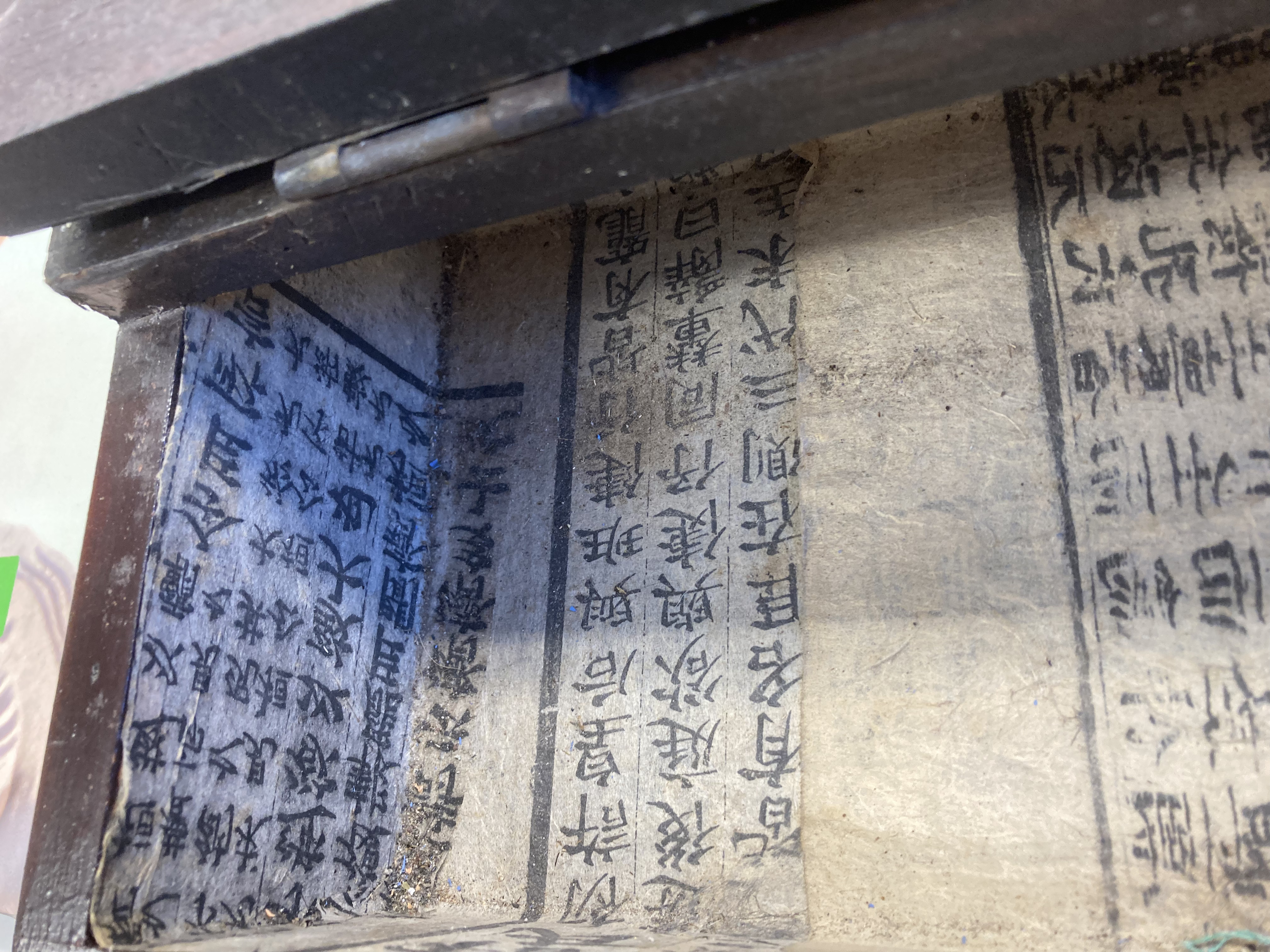
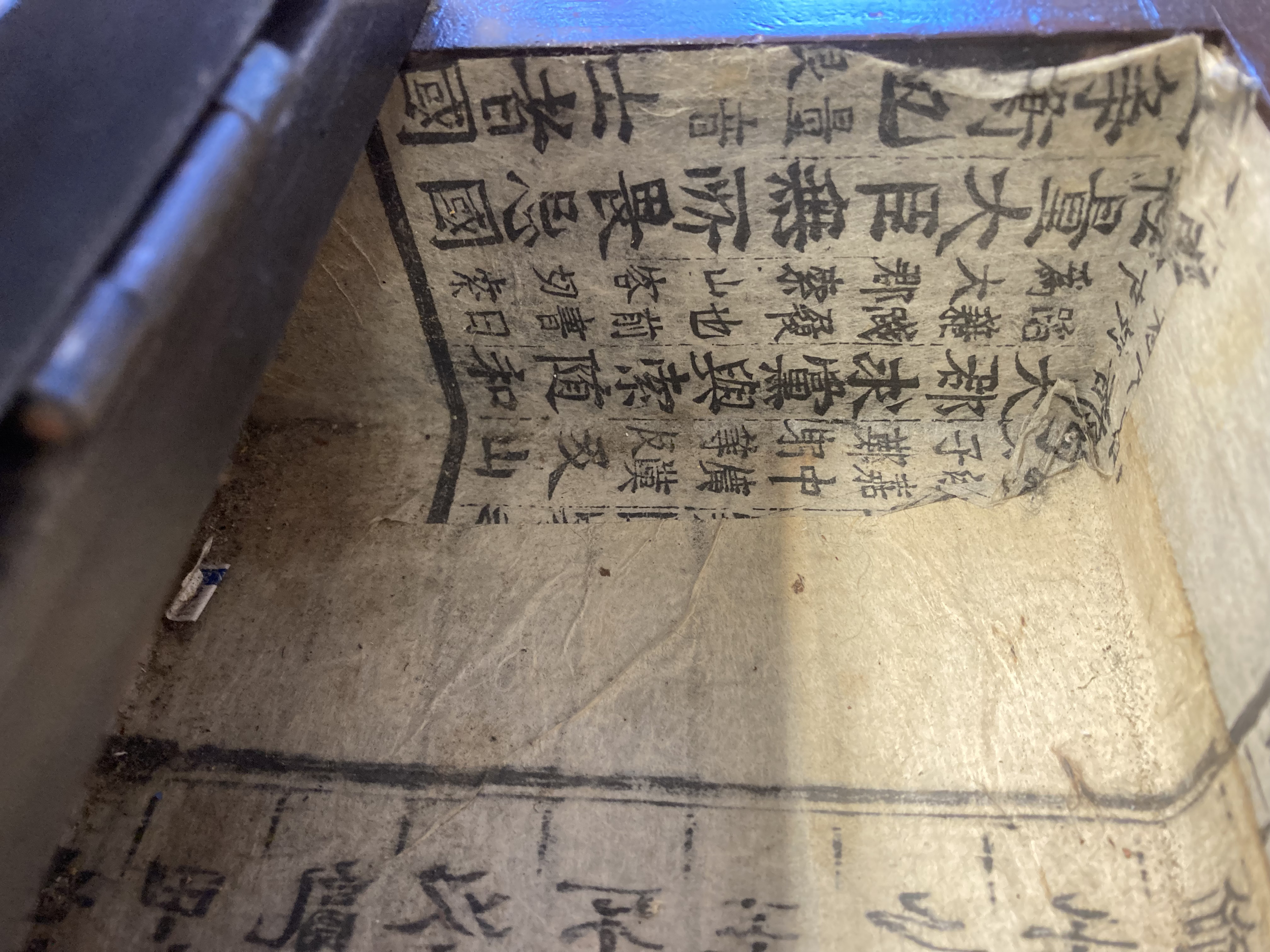
Here is a box lined with what I think (but don’t know) is Japanese script/newspaper – but from what era? 

A pair of shell casings from WW1 – not trench art, just casings, presumably brought home and you have to wonder what was the story behind bringing them back.

The box was donated by a fellow volunteer who won it at an auction at the Australian High Commissioner’s event in Singapore many years ago – as you do.

He (the volunteer, not the commissioner) told me it was the box that had held the surrender papers from the Japanese navy at the end of WWII – but he was joking. 

He had no idea what/when/why it was.

I would like to know what the script says – it is the classified adds from the Tokyo Times in September 1970 or a confirmation this was owned by the under secretary to the under secretary of the Emperor sending out a secret message to Matthew Perry – the first foreigner ‘allowed” into Japan for 200 years?

So, what to do with them?

‘You can do a Japanese table display,’ said my manager.

But we would need Japanese books…

And yes, the next donation she sorted was a bag full of Japanese books – there are some book gods out there….

As for the microscope. It has no name on it so not an absolute treasure, but a volunteer who knows about cameras (close enough) was called in to check it out. 

It was probably a school microscope dating from the mid to late 1800s. Brass, solid, in a box, used and re-used by schoolboys (no doubt, no girls) and who knows whether it inspired a child into science where he (undoubtedly) did some good science work which is benefiting us today….

And, our volunteer found out one like it – for sale on E-bay. Ours has ‘ original patina’ as they say on Antiques Roadshow, but that one was all polished up.

He was sneery about the polishing and thought the original condition would please someone who wanted the original/ripe for rescue microscope –  and very sure that ours will make more than the £94 the other one went for on E-bay.

By serendipitous coincidence, we had already been gathering books to do a window on science and technology and now we have a star artefact/prop.

The microscope will be in an Oxfam window near me in the next few weeks and there will be a lot of fingers crossed hoping that a microscope restorer looking for a new project will be walking around Petersfield…….

Well, we will see and I will tell you.

In the serendipity of an Oxfam bookshop, we had already been collecting books for a window of science and technology through the ages – so the microscope will be out star (non-book) performer.

As for the shell casings.

Well they are not crafted into trench art and so our best hope is that the metal might be worth something – or/and, fingers crossed people, there is someone out there ( book-shopping in Petersfield) who wants some undecorated WW1 memorabilia.

And some William Morris Sanderson fabrics and a pair of curtains.I thought they’d gone out, in and back out of fashion, but turns out they are still worth a bit.

Arts and Crafts, I thought. 

Well, of course, I hear you saying.

But what I plan/hope/can to do with them is for another time.