Going on holiday with someone steeped in Greek history and mythology has its advantages.
There are of course times when chit chat of the day, especially when the day has been weather dull and not much going on, can flag.
But at that point you can steer the conversation around to, say, Odysseus.
Apparently, he landed on an island, since claimed to be Corfu (where we were.)
Not for the first time, he was shipwrecked and had to sleep on the beach.
Imagine his surprise in the morning then, when a delightful princess arrived with her handmaidens, who recognised him for the gent he was and took him home to be lauded by her father’s court.
(Even more surprising was the fact she and her handmaidens had travelled across the island to do the washing and that is how they bumped into him…..)
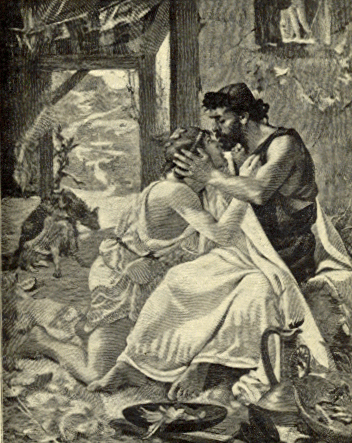
Actually, there is a quite a lot of cut and paste about Odysseus’ adventures – shipwrecked, on the beach with a few survivors, going inland to kill a sheep, roasting it and then waiting for a pretty girl to turn up.
Anyway, we were at the taverna and the best beloved looked up Tennyson’s poem about what happened when Odysseus finally got home after all his travels.
You might remember that his wife Penelope had been keeping her 108 suitors -who were pretty sure that Odysseus was not coming back in a hurry – waiting by weaving a shroud.
She said she would choose one of them when she had finished – but each night she would unpick a bit to fend off decision time.
This ruse lasted three years until she was unmasked by a faithless servant.
Given that Odysseus was away for 20 years, she must have had some more inventive tricks up her Grecian sleeve.
So Odysseus gets home and decides to come in dressed as a beggar to see what is what, no doubt.
The goddess Athena gets involved, and Penelope sets up a contest for the still lingering suitors – none of which apparently recognise our hero – so that whoever can string Odysseus’s rigid bow and shoot an arrow through twelve axe heads may have her hand.
Well, yes of course, Odysseus wins and the suitors are all slaughtered.
Meanwhile, back at the taverna, my BB had looked up Tennyson’s poem on what happened next.
( You need to know at this point, just in case you didn’t, that Odysseus and Ulysses are the same man – the same, away for 20 years, shipwrecked, los of adventures, fond of a pretty girl, man.)
Now, I am always throwing away copies of Tennyson’s work at the Oxfam shop – he is not read much in these times and parts – but this poem is a great rail against getting old and not doing what you can in the time you have.
(By the way Tennyson was not a lord – he was christened Alfred Lord Tennyson.)
Which is fine and dandy, but if I was Penelope and he came in of an evening and read this to me as a justification for what he was about to do, I might be less than pleased.
(In fairness there is nothing in the Odessy to say whether he actually set off again or stayed home and told his wife and son how grateful he was that they had kept all things in order, the home fires burning, and were there to look after him in his old age, listen to his endless, bloody endless, stories of his adventures…..)
The commentary is mine…
Ulysses
It little profits that an idle king,
By this still hearth, among these barren crags,
Match’d with an aged wife, I mete and dole
Unequal laws unto a savage race,
That hoard, and sleep, and feed, and know not me.
The aged wife, mate, is so because you have been away for 20 years and she has been fending off suitors, bringing up your son – born just before you set off on your adventures and who has been running your kingdom….
I cannot rest from travel: I will drink
Life to the lees:
(so, you got home, hung around in disguise and now instead of being nice to your very long-suffering wife and son who have kept everything together, you think, ‘ I really need a bit of a trip, something exciting to break the monotony.’ )
All times I have enjoy’d
Greatly, have suffer’d greatly, both with those
That loved me, and alone, on shore,
(not that alone, with a pretty girl on each shipwrecked bay….)
and when
Thro’ scudding drifts the rainy Hyades
Vext the dim sea: I am become a name;
For always roaming with a hungry heart
Much have I seen and known; cities of men
And manners, climates, councils, governments,
Myself not least, but honour’d of them all;
( and modesty not being one of my many, many great qualities…)
And drunk delight of battle with my peers,
Far on the ringing plains of windy Troy.
I am a part of all that I have met;
Yet all experience is an arch wherethro’
Gleams that untravell’d world whose margin fades
For ever and forever when I move.
How dull it is to pause, to make an end,
( I am guessing Penelope won’t be that pleased to hear that.)
To rust unburnish’d, not to shine in use!
As tho’ to breathe were life! Life piled on life
Were all too little, and of one to me
Little remains: but every hour is saved
From that eternal silence, something more,
A bringer of new things; and vile it were
For some three suns to store and hoard myself,
And this gray spirit yearning in desire
To follow knowledge like a sinking star,
Beyond the utmost bound of human thought.
There lies the port; the vessel puffs her sail:
There gloom the dark, broad seas. My mariners,
Souls that have toil’d, and wrought, and thought with me—
That ever with a frolic welcome took
( Mmm. a shipwreck a week and not that much of a frolic, I am thinking…a man with an overly romantic hindsight.)
The thunder and the sunshine, and opposed
Free hearts, free foreheads—you and I are old;
Old age hath yet his honour and his toil;
Death closes all: but something ere the end,
Some work of noble note, may yet be done,
( Rest on your laurels, mate, and bear in mind that we all look backwards and wish that we might have done something more impressive with our lives, but hey ho, you had more adventures than most – and certainly more than Penelope got.)
Not unbecoming men that strove with Gods.
( see above re self-depreciation)
The lights begin to twinkle from the rocks:
The long day wanes: the slow moon climbs: the deep
Moans round with many voices. Come, my friends,
‘T is not too late to seek a newer world.
Push off, and sitting well in order smite
The sounding furrows; for my purpose holds
To sail beyond the sunset, and the baths
Of all the western stars, until I die.
It may be that the gulfs will wash us down:
It may be we shall touch the Happy Isles,
And see the great Achilles, whom we knew.
Tho’ much is taken, much abides; and tho’
We are not now that strength which in old days
Moved earth and heaven, that which we are, we are;
One equal temper of heroic hearts,
Made weak by time and fate, but strong in will
To strive, to seek, to find, and not to yield.














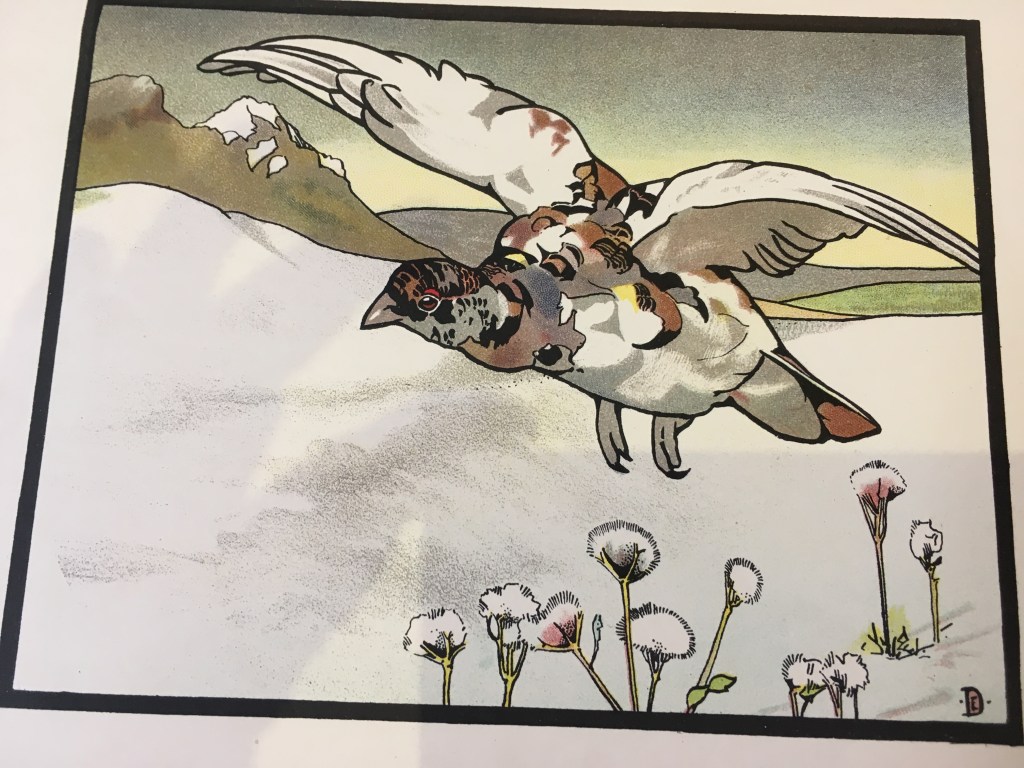


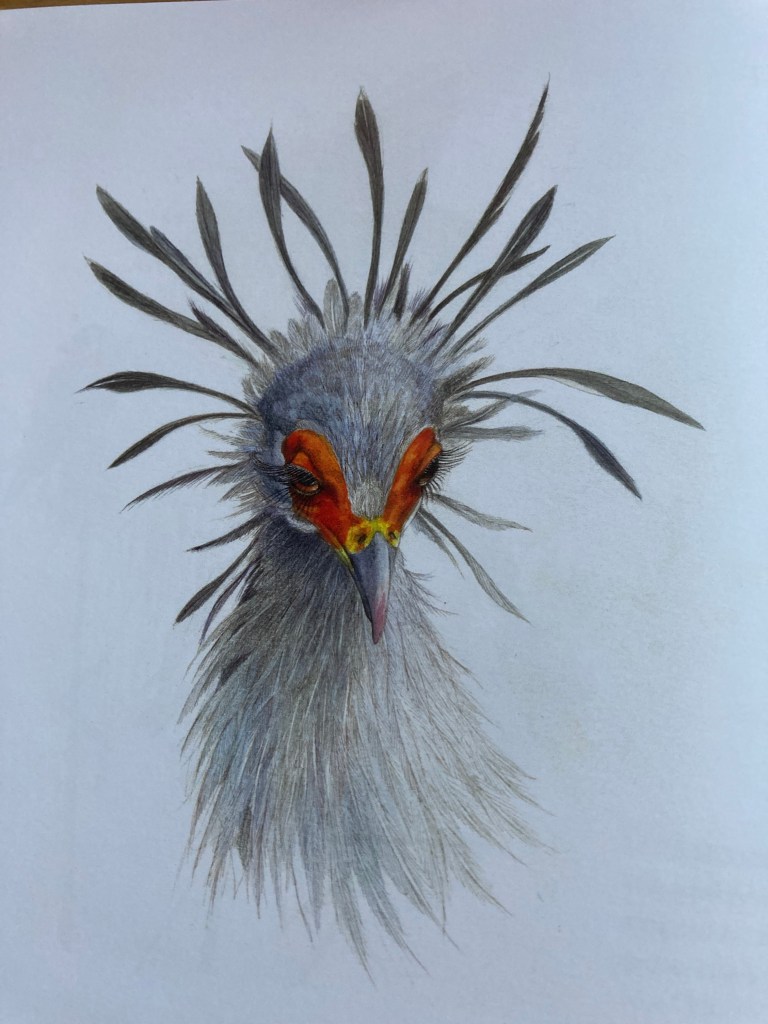


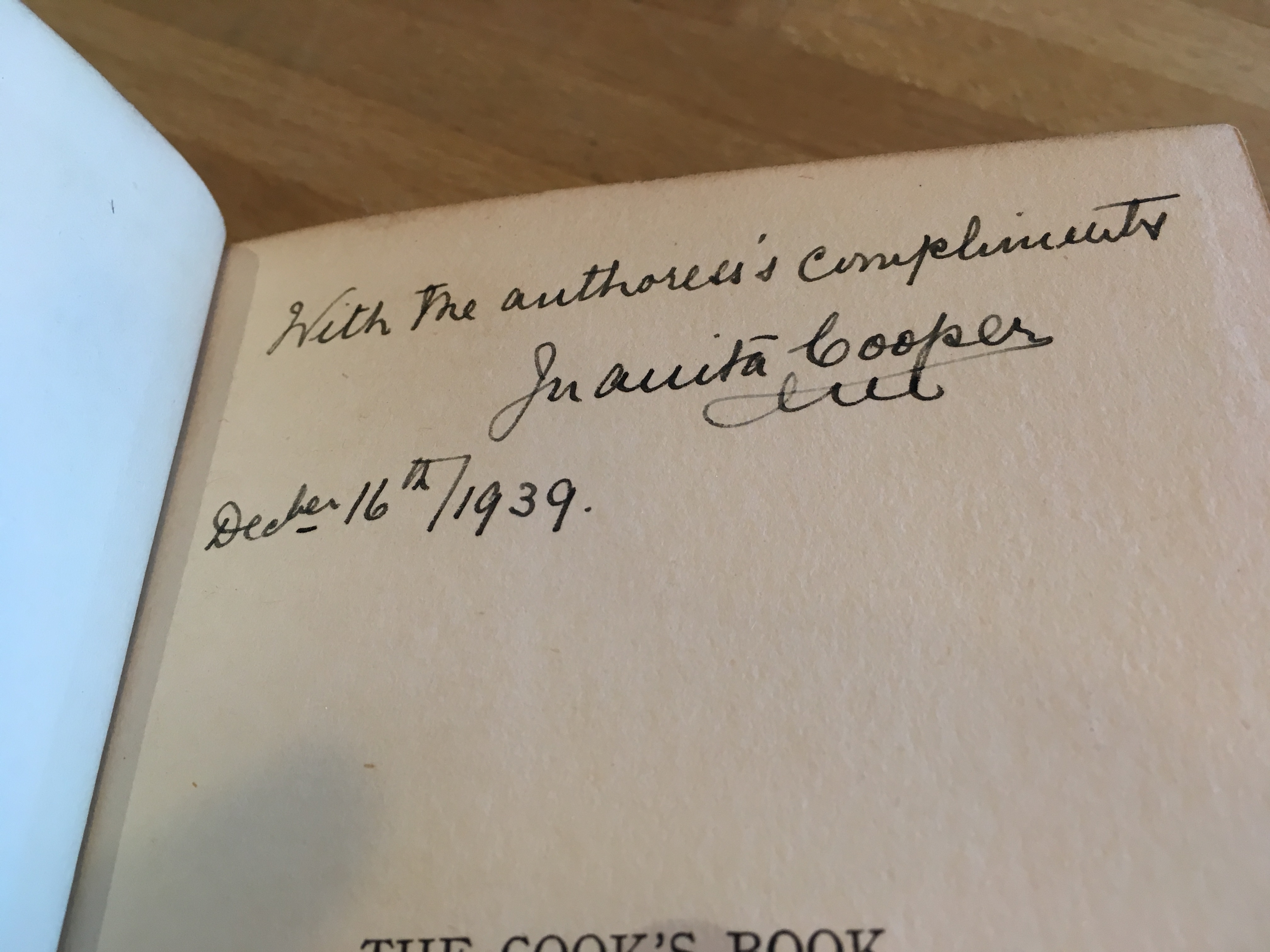


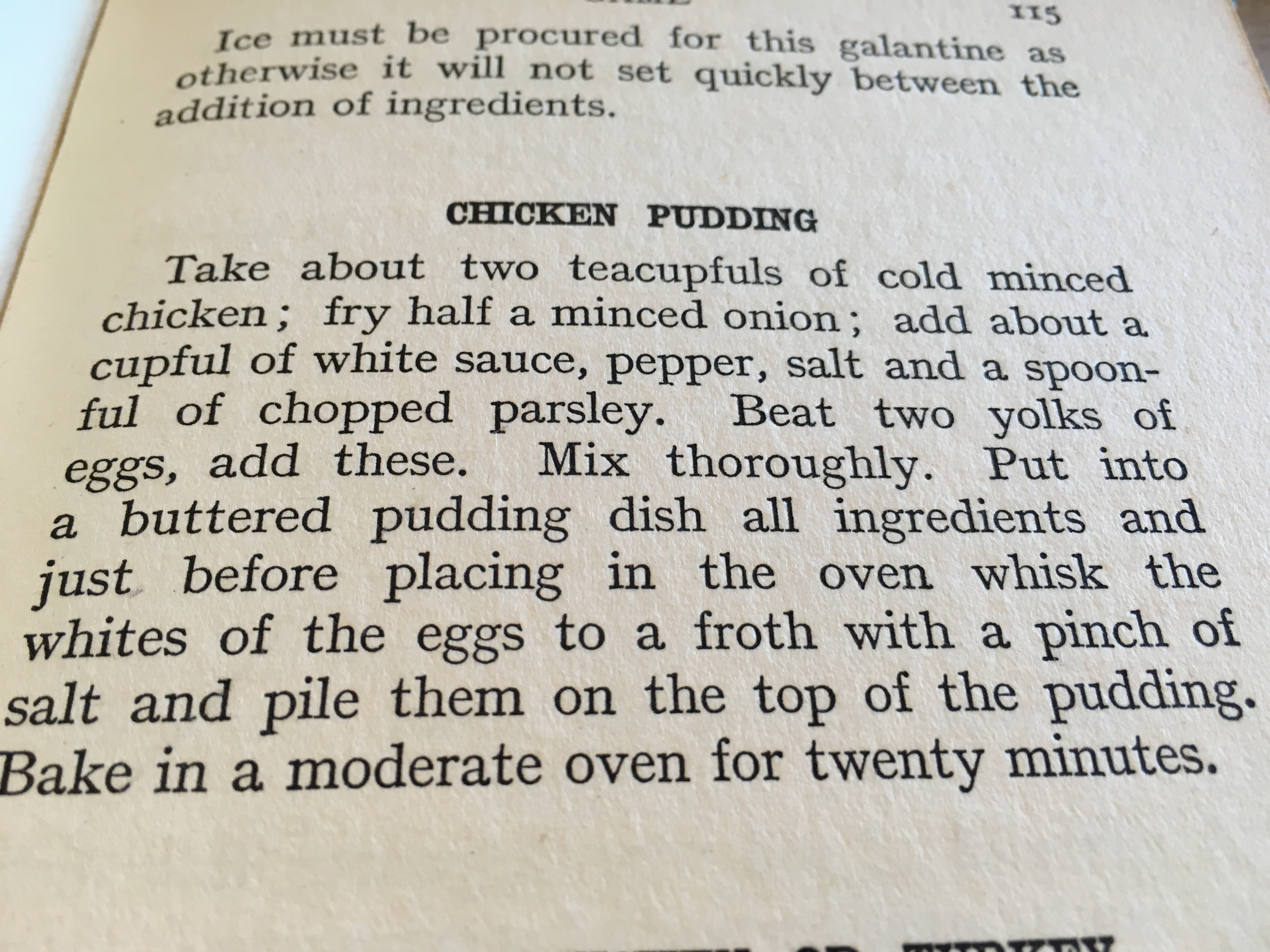


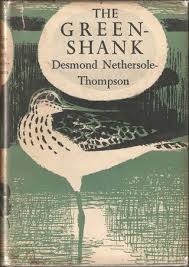













 For one reason or another, I have been away from the Oxfam shop quite a lot in the last couple of months and reluctant though I am to use the phrase ‘rack and ruin’, there was evidence that things weren’t good when I got back.
 thereluctanthousewife