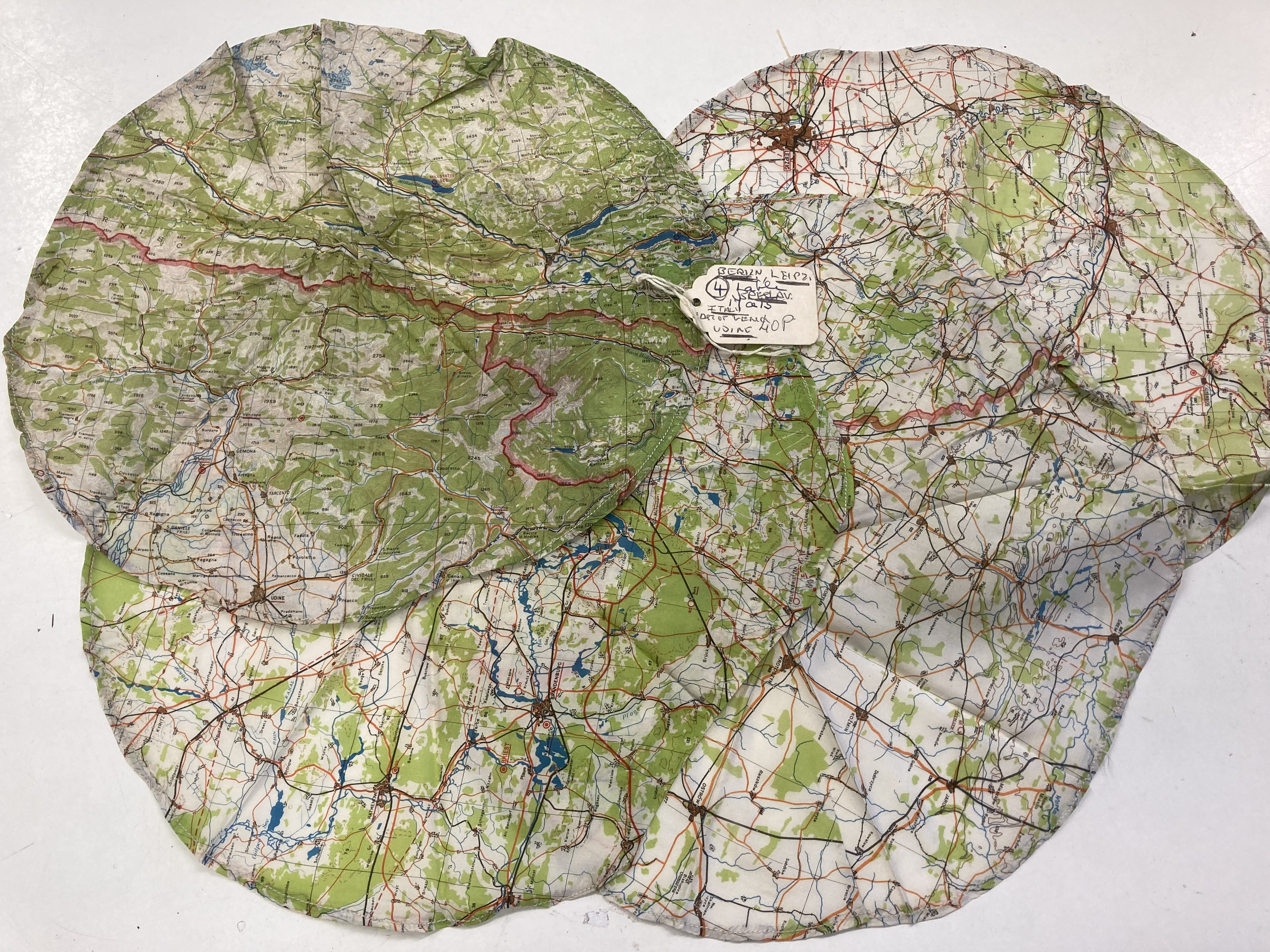
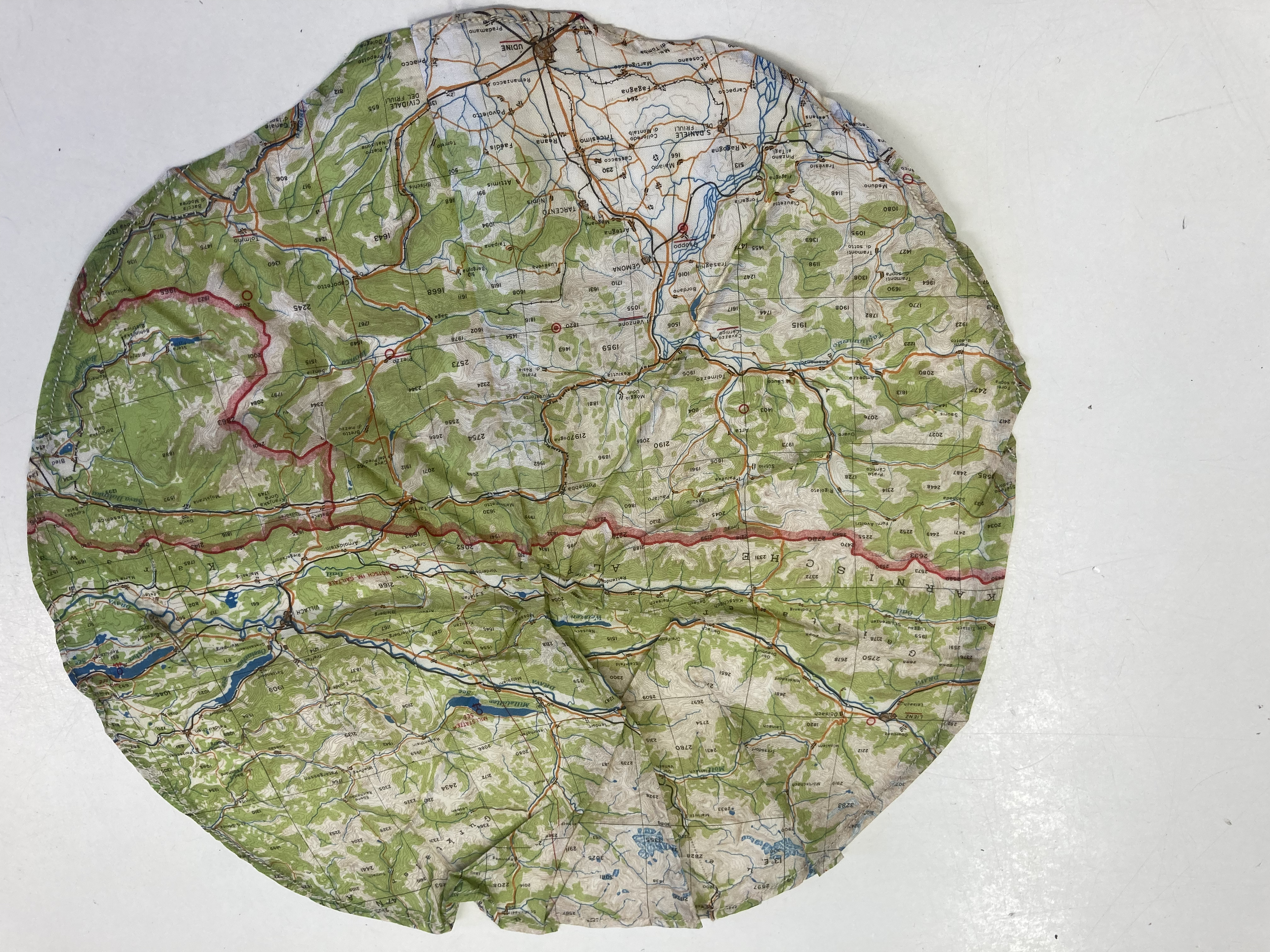
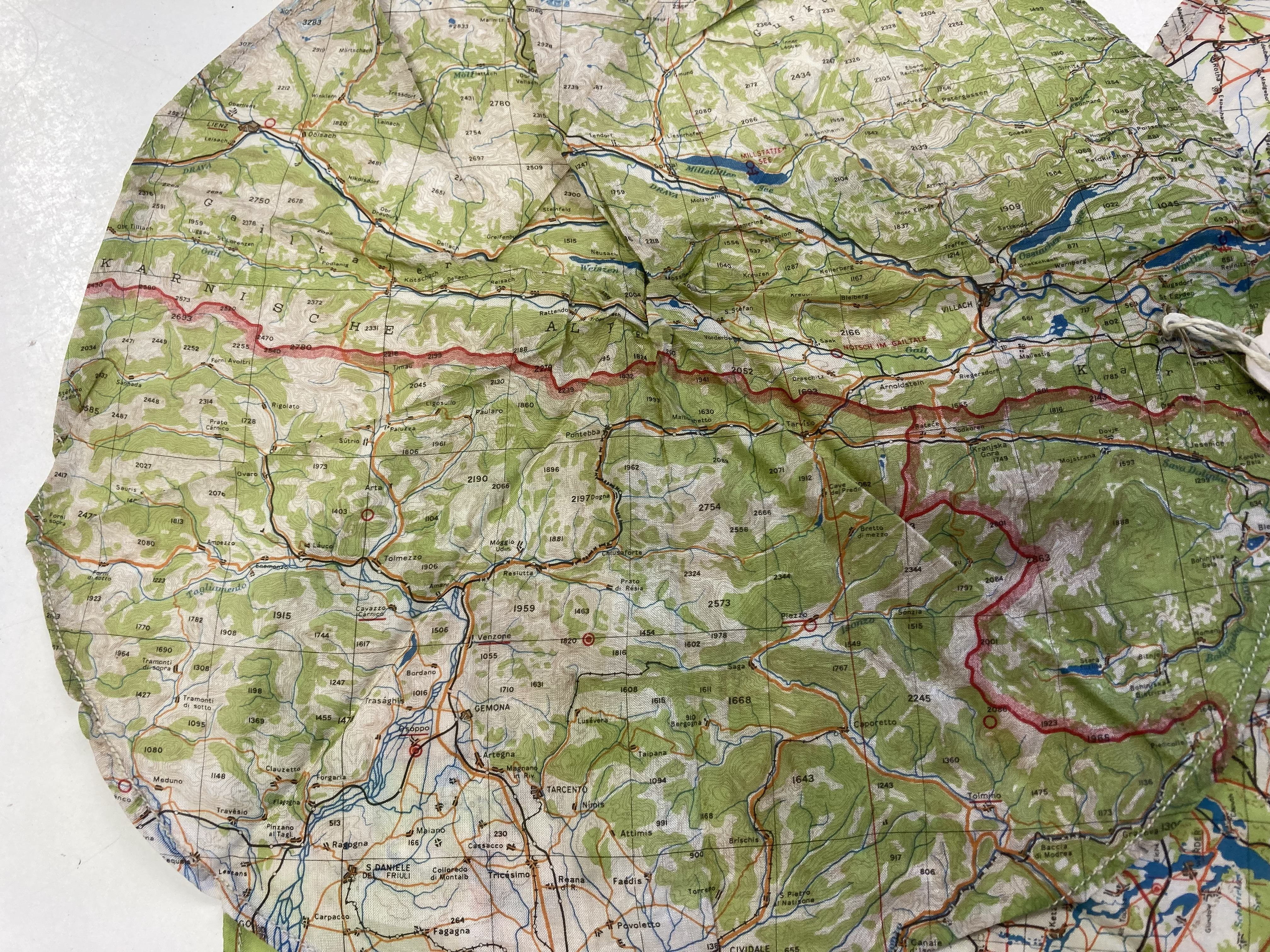
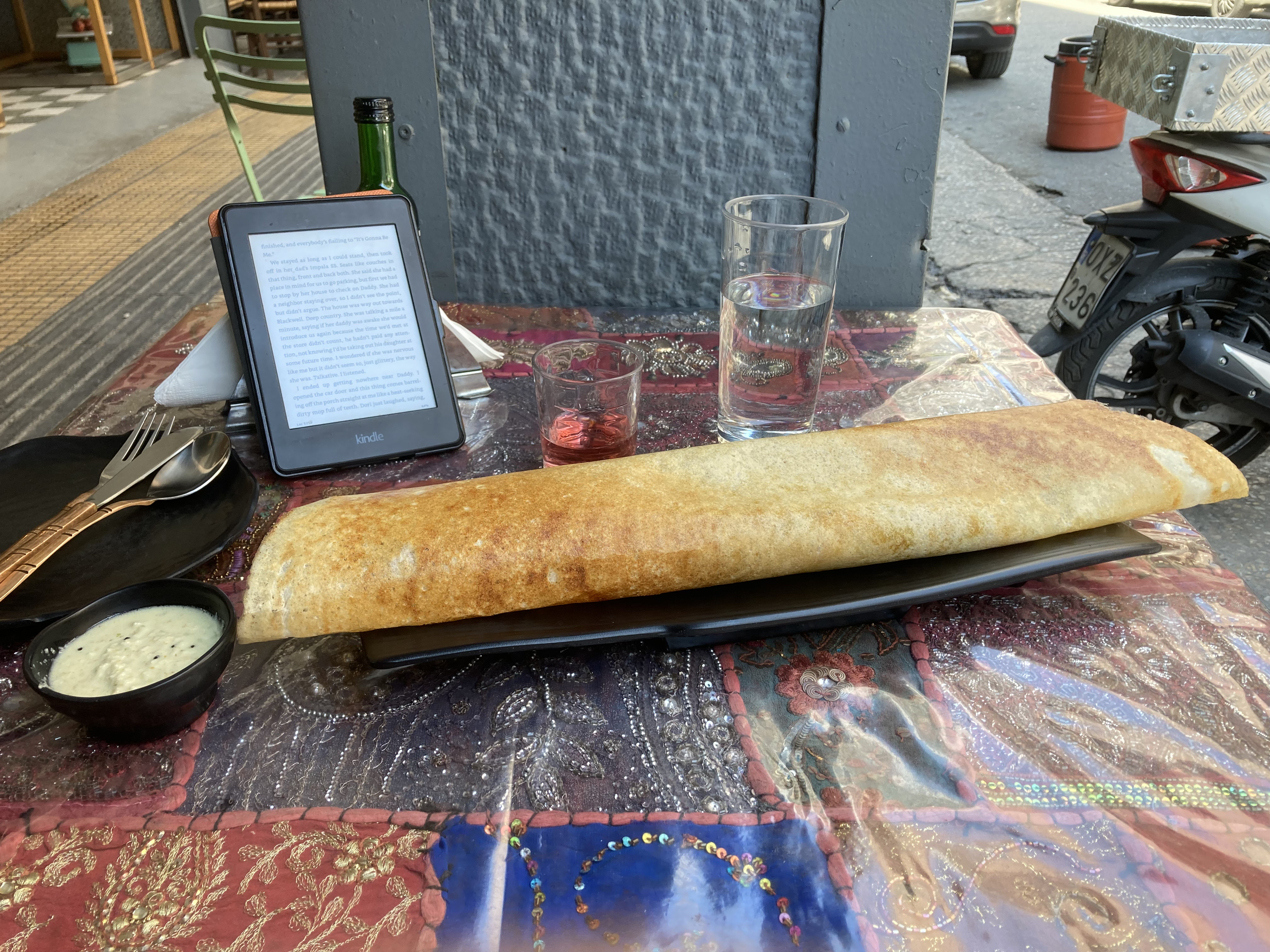
The island we were staying on is small so it was not entirely a surprise to bump into the gay couple we had struck up an intersting conversation with in a coffee place the day before.
We kicked ourselves for not arranging to meet them for another coffee, or even lunch.
And despite keeping our eyes peeled, we didn’t catch them again.
That was last year, and there were just the vaguest of hopes that we might see them again this year – but we didn’t.
So, when we were on a beach and I saw a nice looking gay couple I, well basically, picked them up.
Had a chat, and suggested coffee in the nearby restaurant in half an hour.
Coffee morphed into a (delicious) lunch and conversation.
One of the couple was a professor of early renaissance Italian philosophy and history and the other was a family lawyer.
The Best Beloved complained about the way philosophy was taught in Oxford (mind you that was a very long time ago) and the professor explained his way of teaching was to put the ideas in a historical context.
We talked about art (and its context), we talked about what lockdown was like in Rome – not too bad given they have a large airy apartment with a balcony and could eventually escape to their house in the Umbrian countryside.
We talked about the merits of various Greek islands, where to go in Southern Italy, how it was lonely doing all your legal work on Zoom and missing the chat with fellow lawyers and even divorcing clients.
To save the BB from writing holiday suggestions on the back of his hand, gave his email and suffice it to say, the next day he had a lot of holiday suggestions and we made an arrangement to meet for lunch on Sunday.
We get on fine on holiday but there is something good about conversations about things you don’t know with people you don’t know at all.
Picking up gay couples could well be a holiday habit from now on.
Apparently, the right way to talk to strangers is with caution and humility according to Malcolm Gladwell – a man who gets a lot of things right.
Sometimes it works brilliantly and sometimes it doesn’t.
Especially on holiday, I don’t exercise the cautionary principle much.
We got talking to one taxi driver and as a result, he spent quite a lot of time slowly driving so he could dictate into Google Translate what he wanted to tell us about basketball – did you know that there was a Greek basketball player in a top league in America? No, nor did we.
Despite the BB’s grandson being a school and weekend basketball player, we soon ran out of conversation to dictate back into Google.
So, to change the subject I said, So what is this part of Athens?
It is toxic, he said.
And then there was, not bothering with Google, a one-sided ‘conversation’ about ‘toxic’ Bangladeshis and other immigrants.
Now, there is no denying that Greece has taken more than its European fair share of refugees and immigrants.
But this was not an easy listen.
The next day, I went out from our hotel and bought some water. From, it turns out, a Bangladeshi man.
He asked where I was from.
England.
You are so very lucky, he said.
Greece? I asked.
Not England, he said. Not so good. Not so good.
There are a hundred things to unpack from these ‘conversations’.
I do like making a pickle, preserves, chutney – but it has to be said, we are not great eaters of any of these.
There are a few exceptions – homemade pickled red cabbage is a must with a cottage pie – meat or vegetarian.
Now, I am sure I have mentioned this before, and I know people (maybe you, dear reader) may sneer at that suggestion but bear with me again and give it a try – not the bought stuff though because it is too vinegary.
And I do like a Kilner jar of confit tomatoes in the fridge – lush and sweet and great with all sorts when you need a taste of summer in the winter.
If you make it to the end of this, there will be recipes.
Having said that, I still have a freezer drawer with cooked down crabapples waiting to go through the faff of turning them into crabapple jelly – its a two day operation and involves hanging muslin bags on broom handles, enough said.
But I have just found a book in the shop which makes me think of more pickle, preserves activity – making things we should but probably won’t eat, and will give to (hopefully) more appreciative friends, family and neighbours.
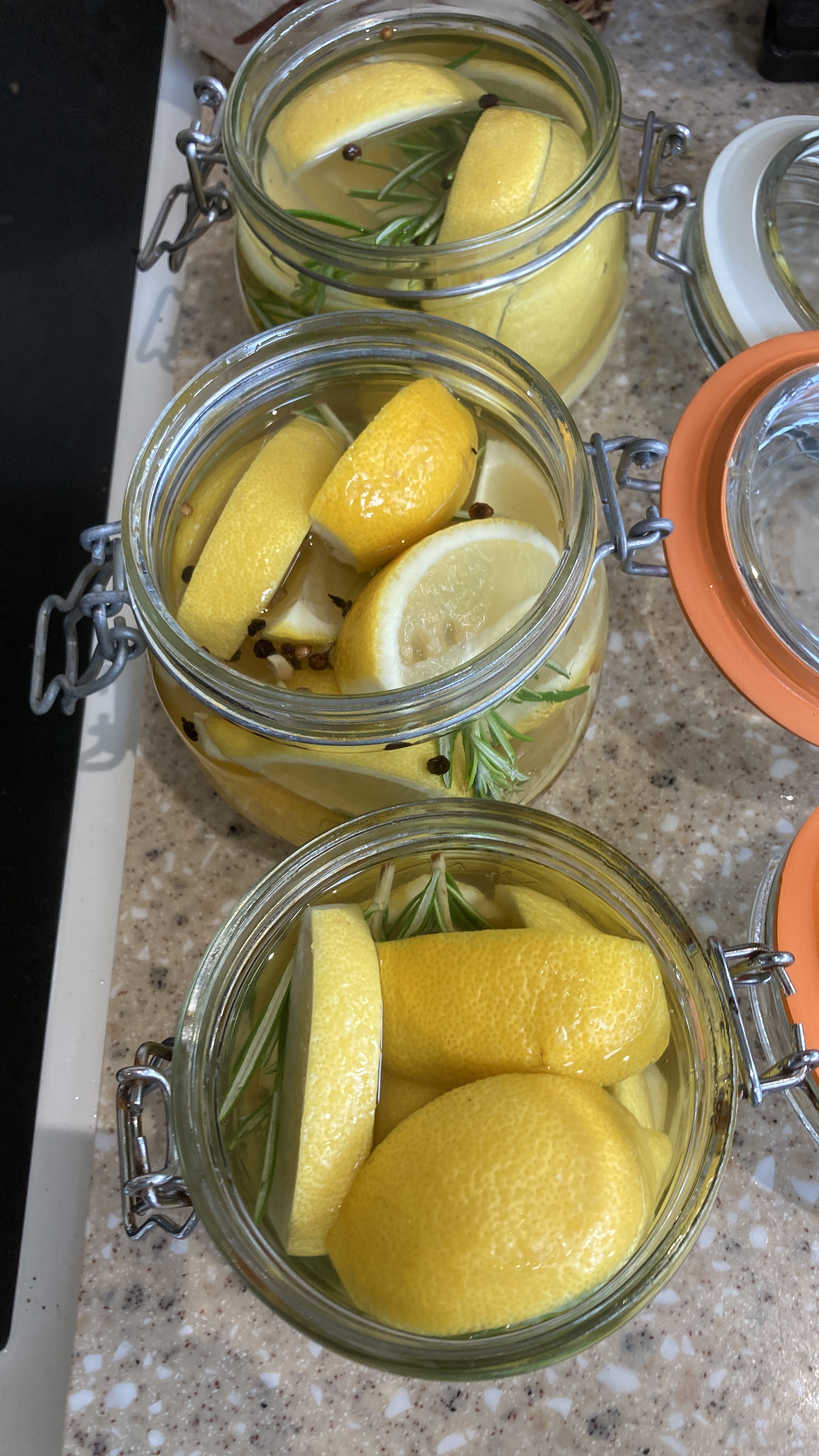
Today, I have made preserved lemons not least because we both have some covid-like lurgy and so are in a mini-lockdown – afternoon television beckons but a few things have to be done first, hence the lemons.
( And a roast chicken with tarragon sauce because I feel like making it but probably not so much eating it….. we shall see.)
So recipes;
Preserved lemons from this:
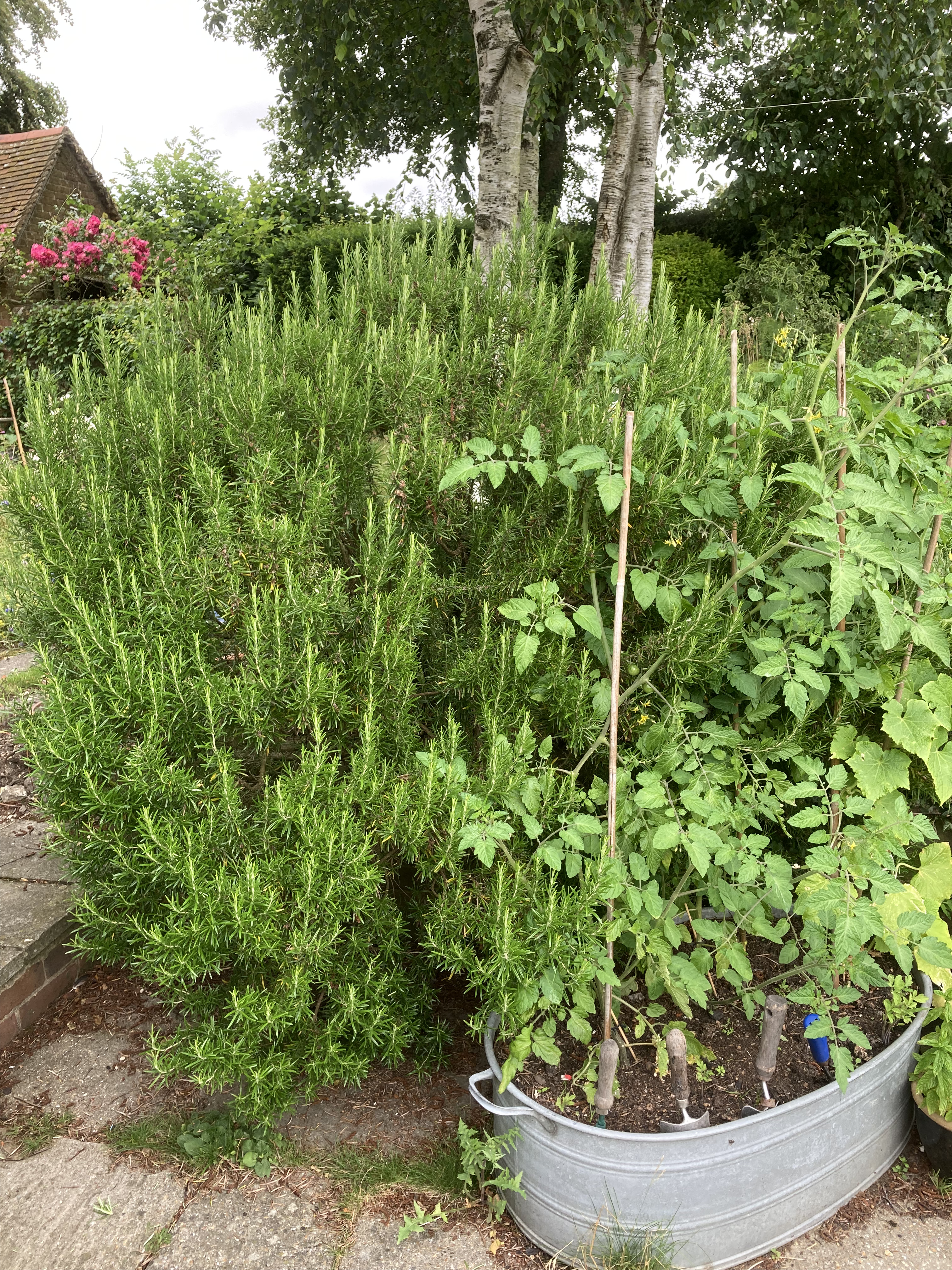
We have a great rosemary bush.
And you will notice tomato plants growing along side and they are earmarked for some confit assuming they are prolific – and given they are grafted plants they should be.(Gardening advice here, always buy a grafted tomato plant to ensure lots of fruit.)
So, you need a Japanese rice vinegar. ( I have to say that Waitrose in Petersfield only had Chinese rice vinegar so that is what I used, hey ho.)
I used less sugar – about 250g – just saying.
Cut up lemons, add your rosemary and you are done – about two weeks later admittedly.
Pickled red cabbage:
So, you shred ( don’t worry you don’t have to do it too finely and I rather prefer to cut with a knife not shredding in a food processor) a red cabbage. Not the hard stem – just the leaves.
Put it in a bowl and sprinkle salt over it and leave it in the fridge overnight.
Also, put a litre of distilled vinegar in a pan, add 200g ( or less if you prefer) of sugar, a teaspoon each of cloves, peppercorns, coriander seeds or juniper seeds ( I do like a lot of flavour but you can be more minimalist if you like) and a couple of cinnamon sticks. Warm up until sugar has dissolved – a bit of stirring here.
Cool and put in the fridge.
Next day, take the cabbage out of the fridge and rinse the salt off. Leave to dry, or pat dry with kitchen paper – though beware, you don’t want bits of kitchen paper in your pickle.
And this will keep happily for a year or two if you don’t eat that much cottage pie.
Meanwhile, confit means basically slow cooking in a lot of olive oil.
So, take some tomatoes – small ones I would recommend. Don’t both with cutting up or pricking the skins, or taking them off their stalks.
Put them heaped if necessary as they will cook down, into a roasting tin with whatever herbs or spices you fancy – garlic, oregano, thyme, chilli flakes, rosemary – a good grinding of salt and pepper, and enough olive oil to come at least half way up small tomatoes.
Put in the oven at a low temperature – say 100 in a fan oven for a couple of hours, or if you are a lucky Sussex housewife, in the bottom Aga oven – but do check if you are using fan oven which can dry things out more quickly.
You want them well-cooked.
Cool, then squash into jars and use leftover olive oil to top them up.
They will keep in the fridge for a year or two and ignore the rules which say you can only keep for a week after they are opened.
They will make a good ‘sauce’ for spaghetti, or a quick supper, serve well if warmed under fish, in fact anything you like with tomatoes will work with these.
Off now to feed my tomato plants and then a relapse on the sofa.
Another bit on niche books – attractive to my only Vice Admiral (and Sir) reader, I would guess.
So, if you are not into ships/boats/history/niche books, now is the time to walk away.
And after this, I maybe off to a blog on pickles – I bet you can hardly wait.
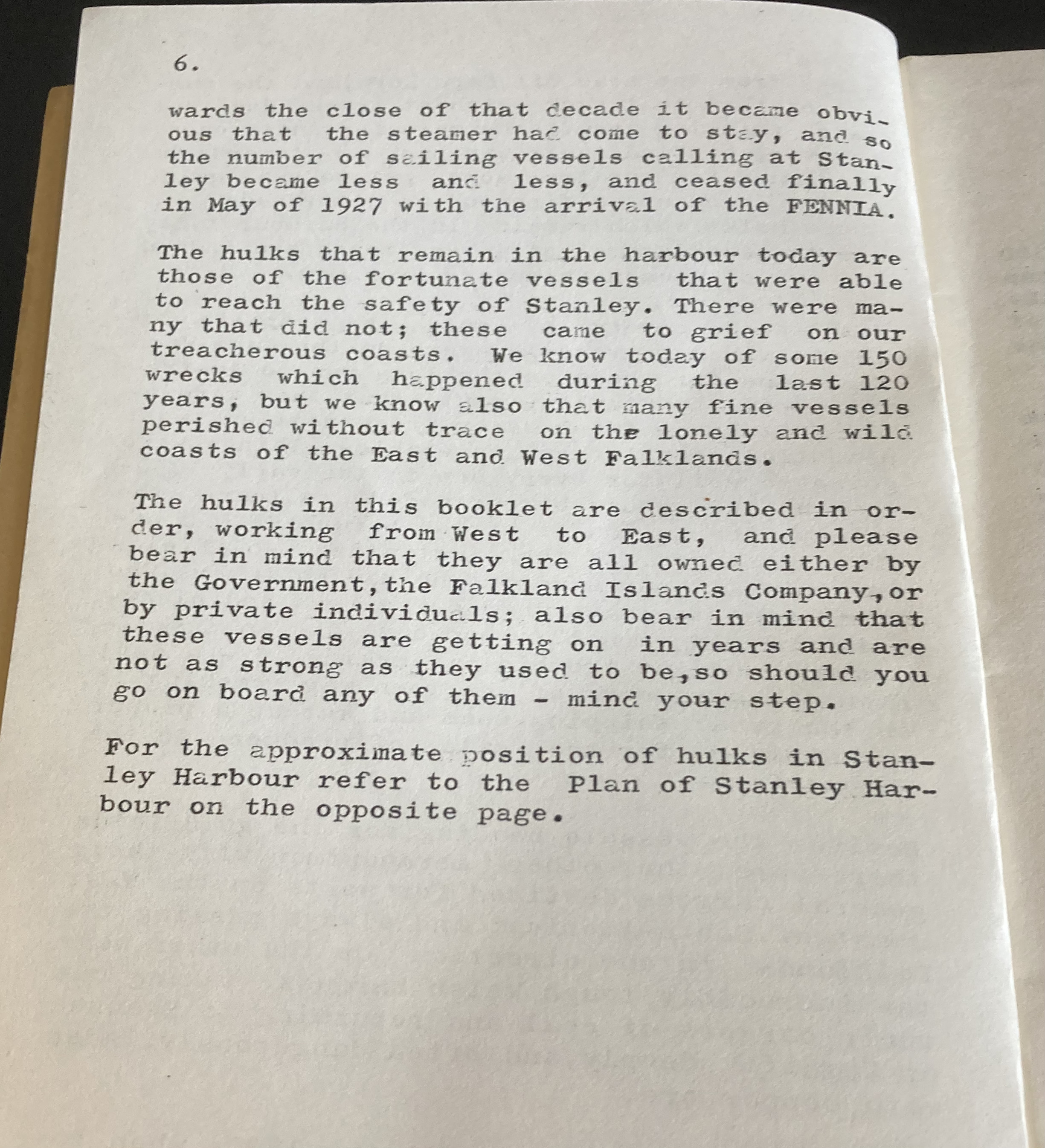
Right, now we are off to the Falklands.(Or Malvinas if you prefer.)
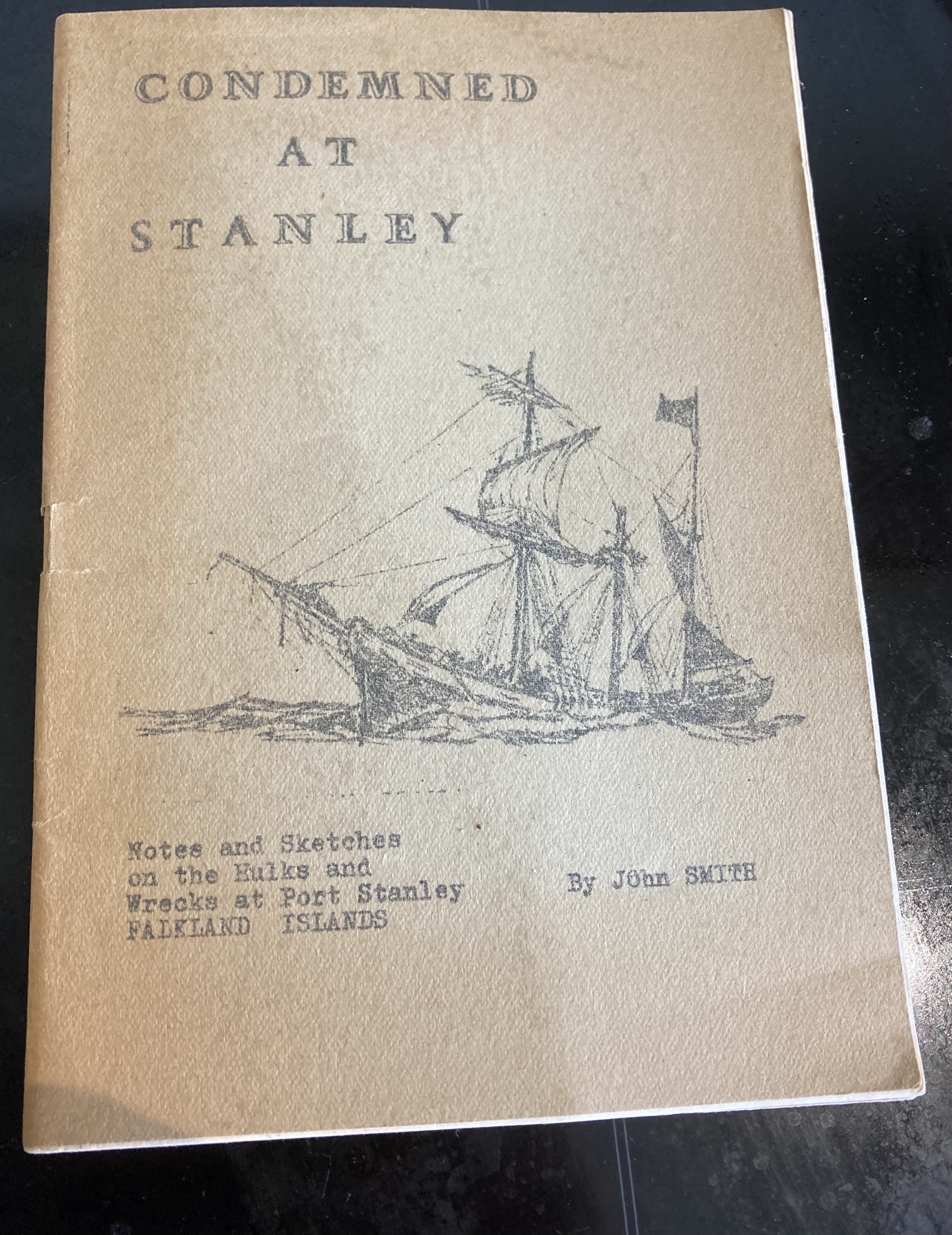
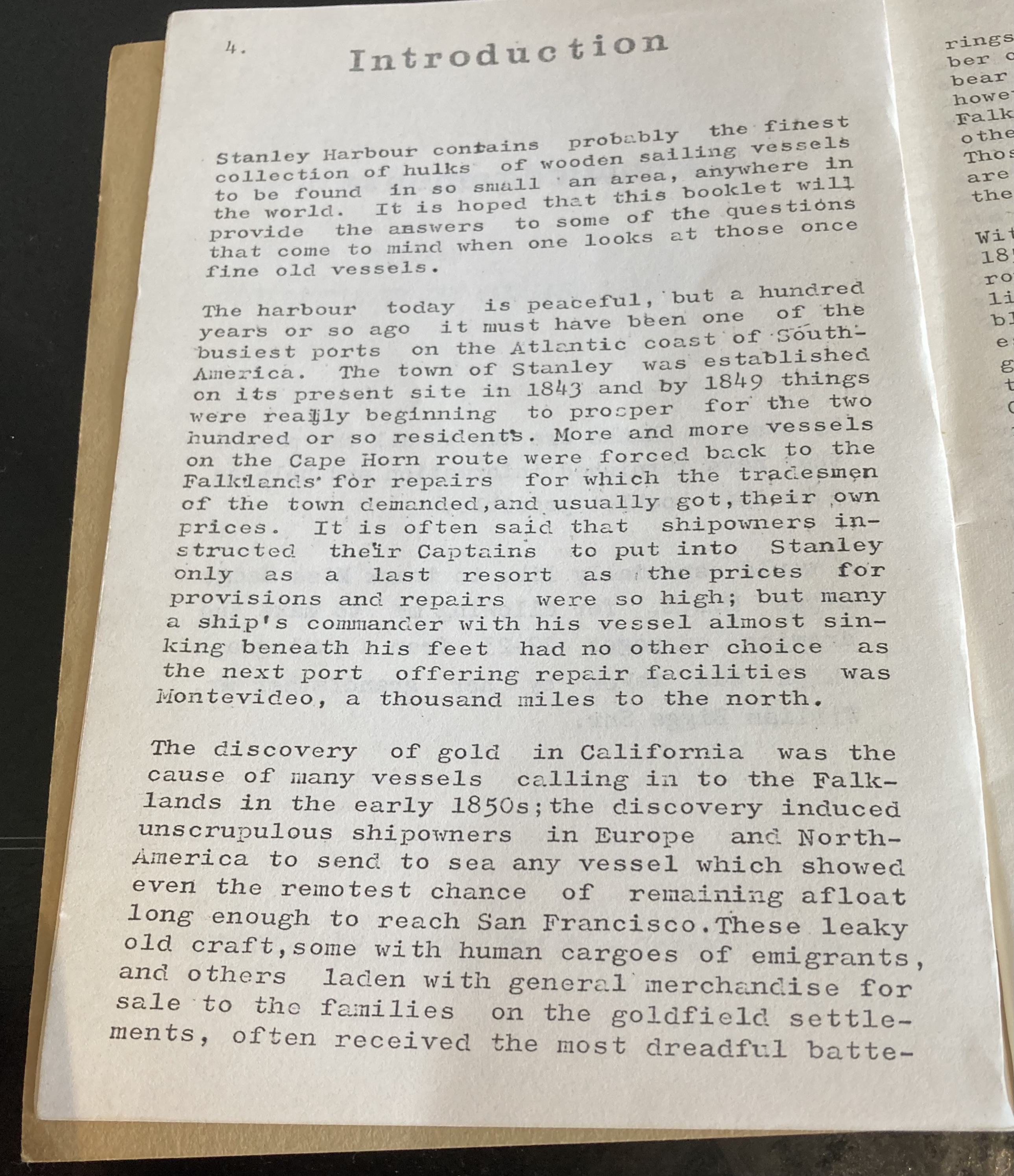
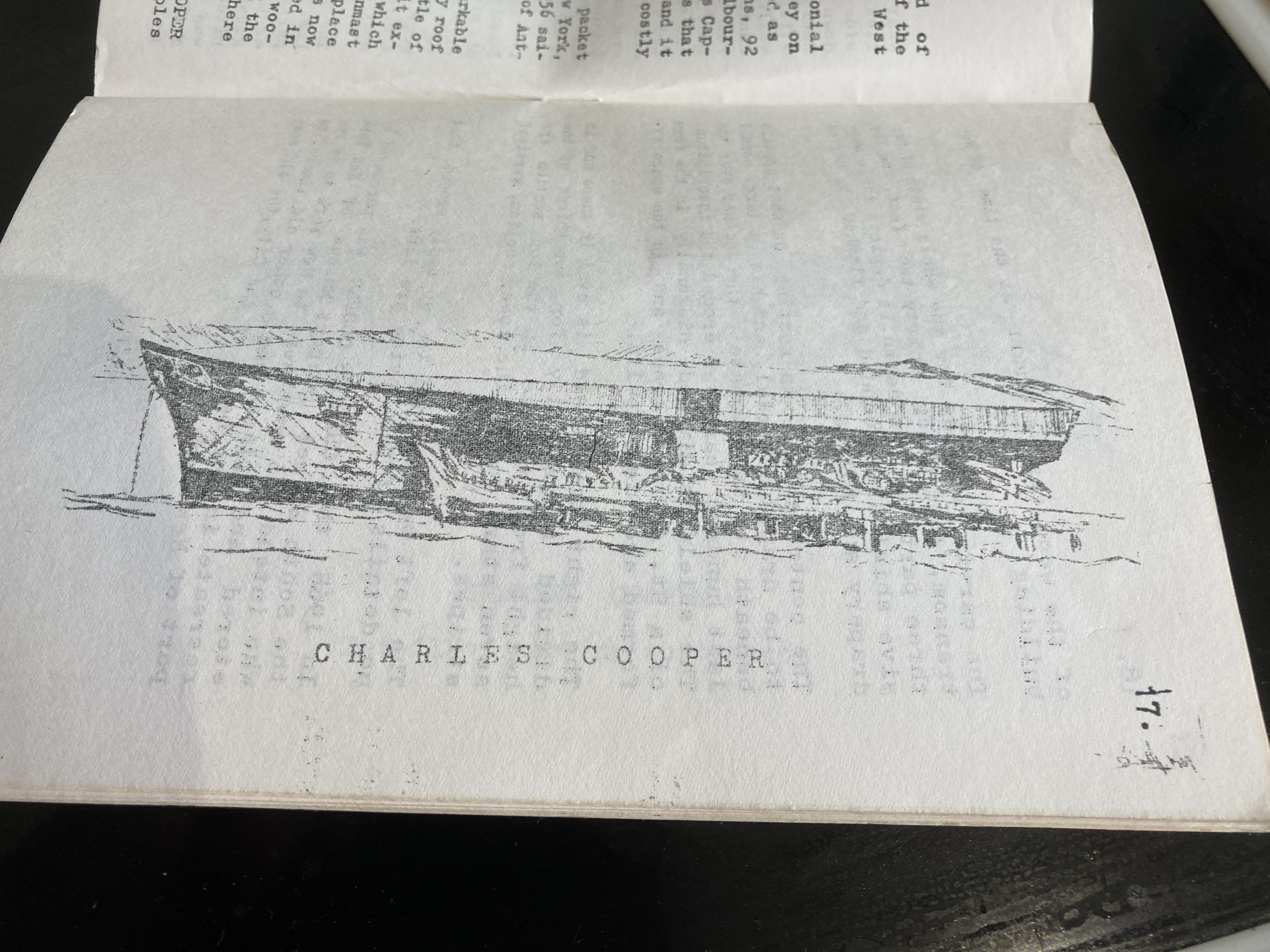
(Before we get onto the content, for those of us who remember bashing away on a typewriter, this little pamphlet was a trip down memory lane – obviously typeset from a typewritten ‘manuscript’ with added sketches – done by the author.
I do like a real, original typewriter typeface.
And presumably he did not print so many that he couldn’t bear the thought of changing the odd mistake by hand – see subsequent photos.)
I am guessing the author was the same John Smith who wrote a memoir called : 74 Days: An Islander’s Diary of the Falklands Occupation. ( No, that has not been donated.)
We have had got two of these pamphlets and one is signed and other has an interesting dedication but more on that later.
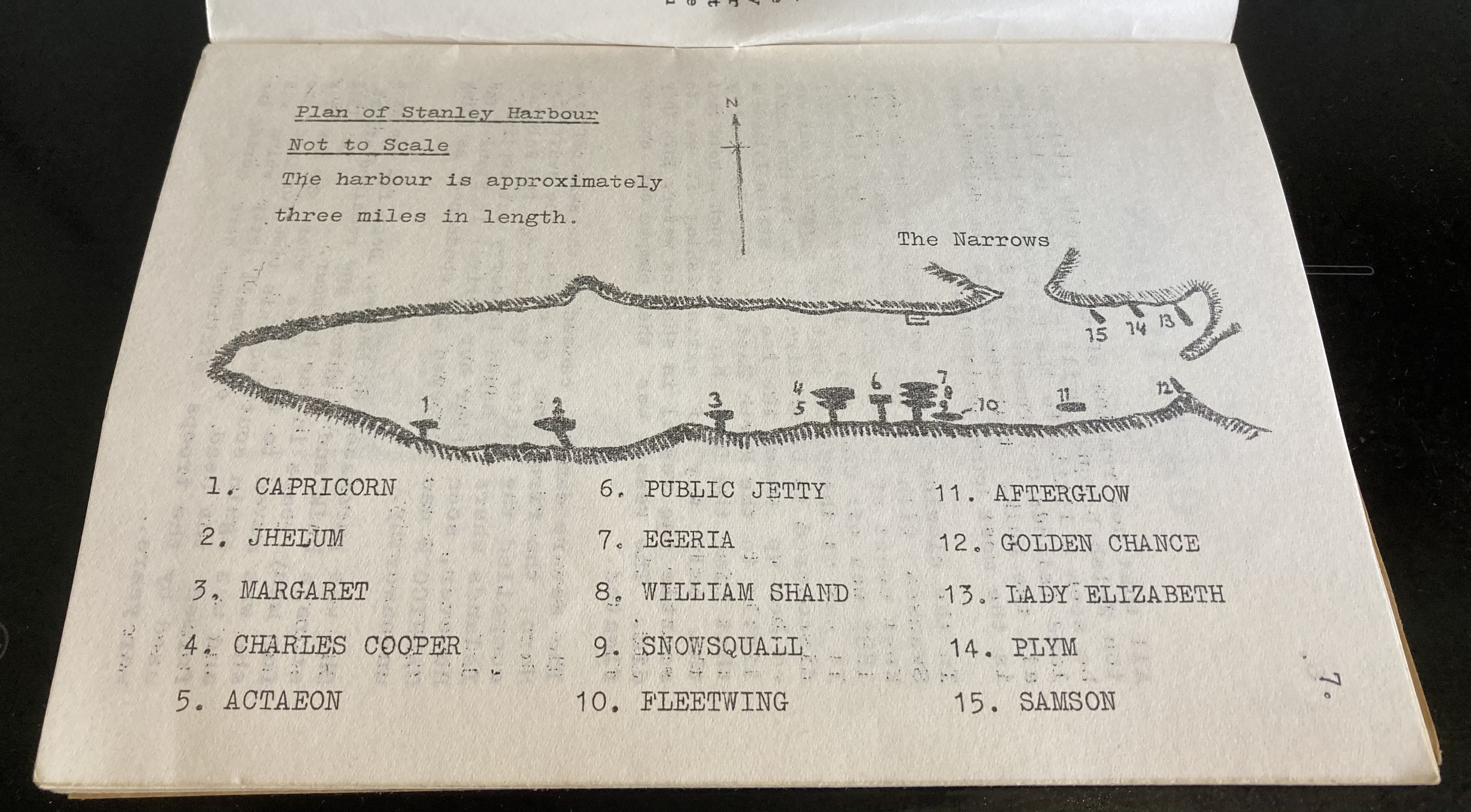
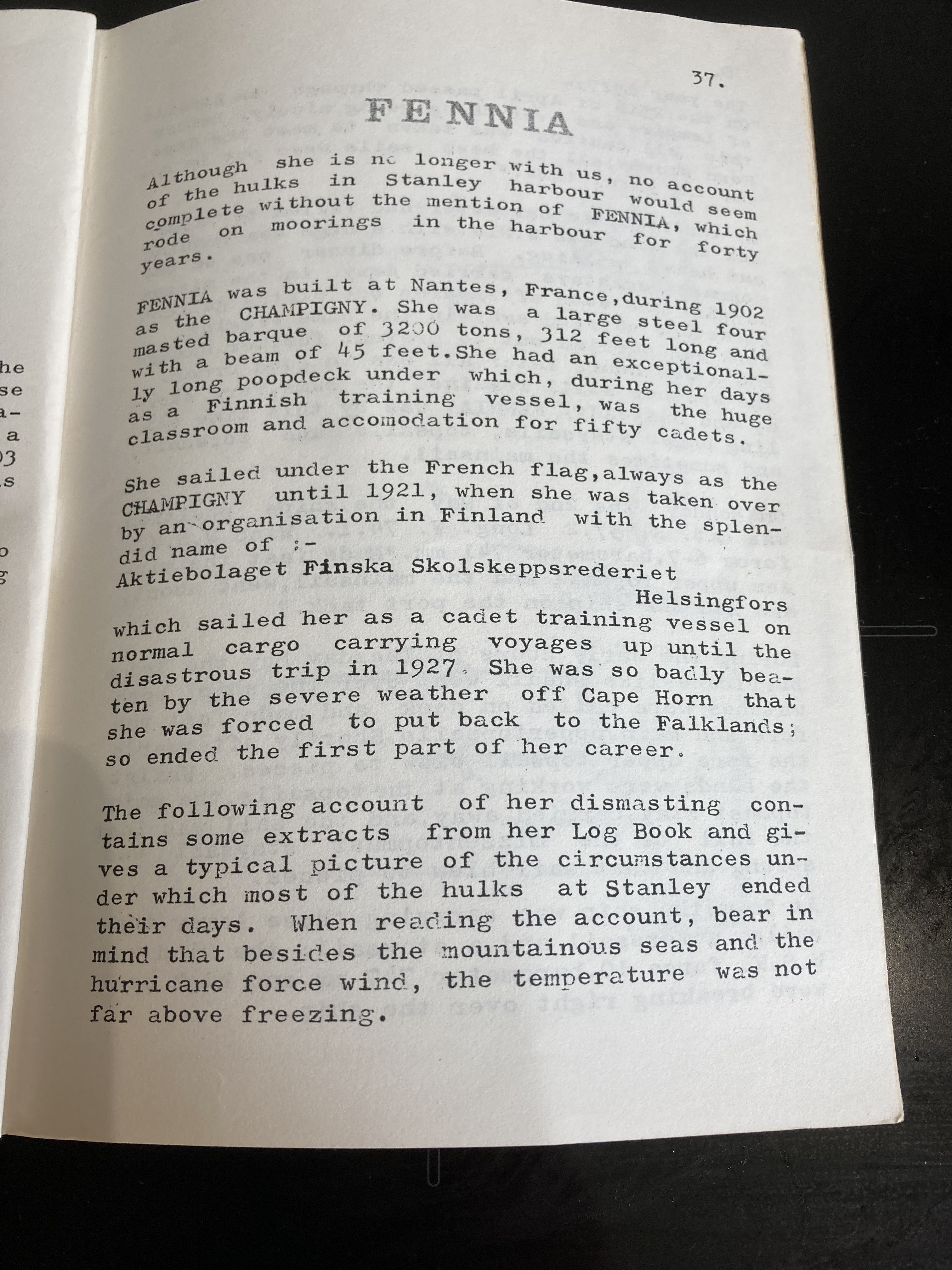
So, there are notes and sketches on 14 wrecks in the Falklands harbour – from Capricorn to Fennia.
And indeed the 3-mile long harbour does seem to have an abundance of wrecks.
There is a bit of history – and I have to say, well-written interesting stuff which is not inevitably the case with self-published/locally-published books…..
Back to the ships:
Here they are:
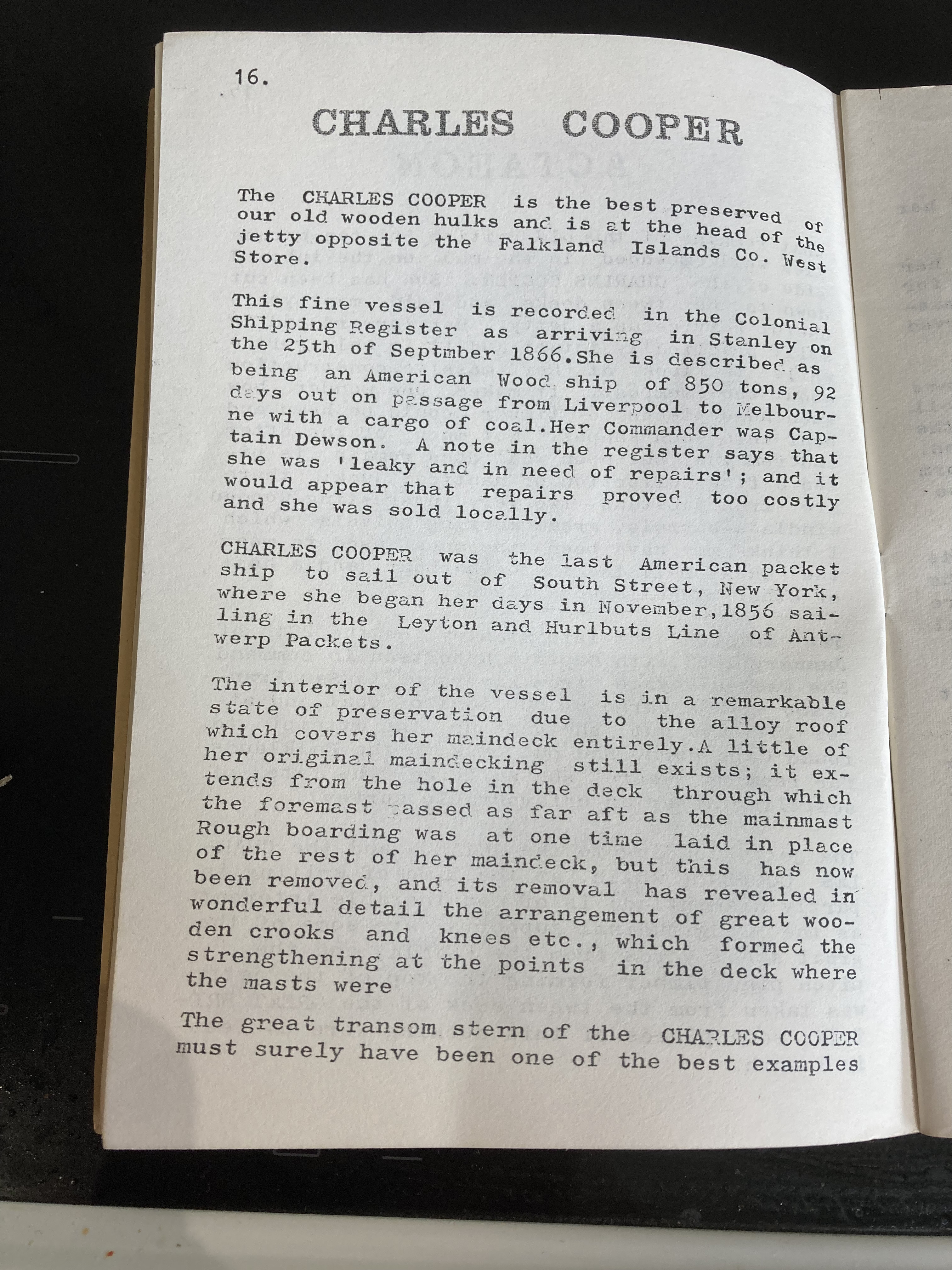
Apparently, it is indeed in the museum and …….
The Charles Cooper was built in Black Rock, Connecticut in 1856 and is the only surviving American ship of its kind in the world. It is the best surviving wooden square-rigged American merchant ship. Built for New York’s South Street packet trade, the vessel voyaged around the world during the golden age of sail, and when it could sail no longer, became a floating warehouse for nearly a hundred years on an island off South America. The ship sailed for a decade from 1856 to 1866. It carried cotton to England, salt to India, gunpowder ingredients to the North during the Civil War, and brought European immigrants seeking economic opportunity and freedom in America. The Charles Cooper began with regular fixed schedules between New York and Antwerp. Then, with the outbreak of the Civil War, it no longer had set published departure times and instead voyaged based on spot demands from America to Europe and Asia.
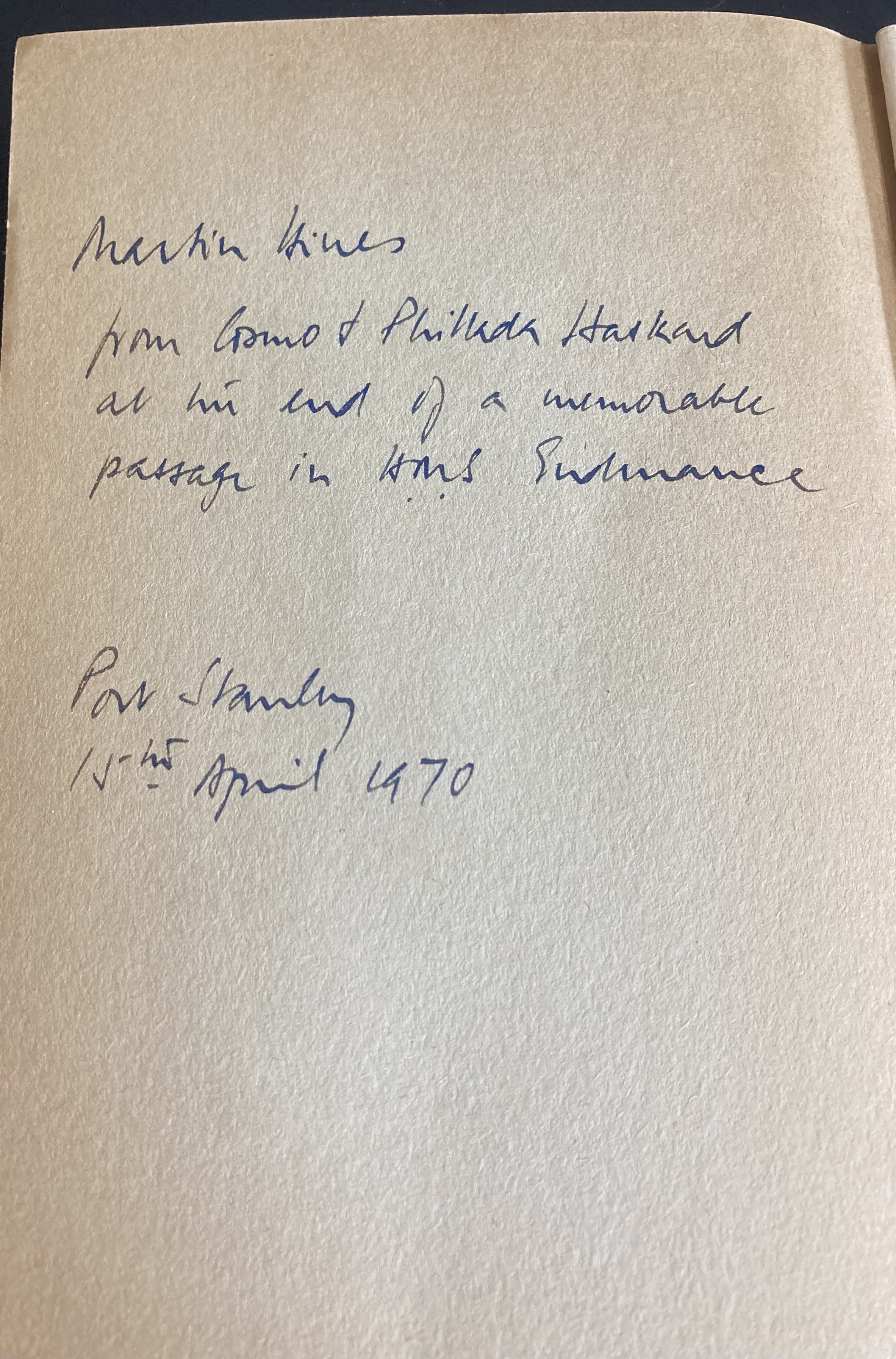
So, finally to the inscription:
So, it turns out that this pamphlet was given to Martin Kine by Cosmo and Phillida Haskand. Haskard was the Governor General of the Falklands (1964-1970) and who ‘played a key role in defeating plans by Harold Wilson‘s Labour government to cede the sovereignty of the islands to Argentina. ‘
Martin was the HMS Endurance navigator, and dashing he looks too.
Of course, of course, this was not the original HMS Endurance but a later version – originally a German ship bought by the British navy and used as an ice-breaker among other things.
But she had her place in history – she was the ship on which ‘the final surrender of the war, in the South Sandwich Islands, took place.’
Apparently she was known by her sailors as HMS Encumbrance towards the end of her life ‘due to unreliability problems.’
I have no idea why the Haskards had ‘such a memorable passage ‘ on her but it has been a memorable little find in Oxfam.
There is something special about accidental conversations.
We are on holiday in Greece – so if that makes you curl your lip, please don’t read on as there will be mention of food, sea, sunshine, wine, relaxation and all those other privileged things – though mostly in the next installments.
So, one of the Sundays we were on holiday, the Greeks went to the polls again – it was a foregone conclusion that the New Democracy centre right party would win.
According to an accidental conversation with a taxi driver we learned what the canny Greeks do – and apparently there are a lot of canny Greeks
It appears they can choose to keep their voting rights in the area where they grew up.
So, you can legitimately say to your boss, you need one day to get there, one day to vote, take one or even two days off, and then you come back. Long weekend all round then.
Not sure that was what Joseph and Mary had in mind when they had to go to Nazareth to pay their taxes but I am pretty sure they didn’t go to make a long weekend of it.
Anyway, that leads me on to the next conversation.
Staying in Athens in the same hotel we stayed last year, I was set on re-visiting a small, rather dilapidated church which was apparently one of the first built when the Greeks shucked off the Ottoman ‘yoke’.
Allegedly, the first ‘free’ cathedral in Athens.
Of course, there is a much bigger, posher ‘proper’ cathedral built later.
(By the way a German aristocrat was made king and not by the Greeks, so not entirely free then…)
In St Demetrios’s the frescos are blackened by years of incense burning and swinging about the place, there are water damage marks, the icons are overlaid in (possibly) tin not silver.
There are upstairs galleries where the women used to sit in the old days but apparently are not now needed on a usual Sunday as everyone sits together, and they only get a dusting off at Easter.
But still, it is a gem of a place
When we went in, an unmistakable Greek Orthodox priest was sitting at a desk by the door.
We have a look round and the Best Beloved sighs as I say, I am going to have a chat.
It turns out Father Nickolaus was a real font (excuse the pun) of information.
He told us that as part of the rejection of Ottoman/Turkish style, the artwork and icons were Western style – more realistic faces than the more abstract Eastern style.
And as one of the first such churches in Athens, it was Western frescos all the way until there was a swing back to the abstract, which he preferred.
He said, no-one knew what these saints looked like so why pretend, just a beautiful artistic symbol was much better in relation to how you thought about saints.
There are now some Eastern icons.
So, in an Orthodox church there is a wood-carved and icon-covered wall with a door and the priest operates in the space beyond with his back to the congregation for much of the service.
Apparently the wall is relatively new innovation, by Orthodox standards, – a place to show off your icons and carvings.
There is an interesting theological difference of views about the priest having his ( well maybe her, but not in the Orthodox persuasion) back to or facing the congregation.
The Orthodox view is that having his back to the filled pews and facing the cross means he is with the congregation looking to God.
He is part of the people, not God’s intermediary to the people.
At this point, I mentioned the Pope who is, so I gather, God’s intermediary on earth and infallible and so on.
Father Nickolaus was beautifully diplomatic – smiled, and pointed out something else of interest in the church.
As a special treat, he opened the door in the carved wall and let us see inside where he performed his duties as the priest. (But to take a photo would have seemed rude, so I didn’t.)
And he told us that the bread and wine ritual is also part of the Orthodox communion but instead of wafers and a slurp, they have proper home-made bread brought in by local women and marked with a special square stamp.
It is cut up and into squares and I think, but maybe I misinterpreted or you dip it into the wine.
As if on cue, a local woman brought a loaf to the church so we could see it – but of course until it is blessed, it is not the body of christ.
Father Nickolaus told us, he had spent time with a friend who was an Orthodox priest in London, and St Albans.
It turns out that St Albans – a protestant cathedral is on a bit of an ecumenical mission.
It has services not only Orthodox, but German Lutheran ( who knew), Catholic ( well not that surprising) and the Free Church ( which is not that free if you are a gay, or a woman who needs an abortion, or a divorce.)
But anyway, good on St Albans.
(I looked up St Demetrius and it turns out he was run through with spears in 306 CE as part of the emperor Galerius’ persecution of christians.
Presumably, he got martyr status pretty rapidly as a result of that, but he made it into sainthood by, though dead, intervening against Barbarian barbarities in his city of Thessaloniki.
Now, Demetruis was the son of a senatorial family and in his time was proconsul of the district, so it was surprising to learn he was patron saint of agriculture, peasants and shepherds.
But on closer inspection of Wikipedia, it turns out that he was doing that familiar christian thing of adopting ‘pagan’ practices.
Apparently Demeter, the greek goddess and handily with a similar name, had a local cult going on.
She was the Olympian goddess of the harvest, the earth’s fertility, crops, etc.
As her cult died out, St Demetrius stepped into the breach and took over her responsibilities.
(All sorted then.)
Needless to say, Father Nickolaus’s English was great and I could have spent much longer listening to him.
But he kept getting mobile phone calls and so we left him to his (in his own words) small flock, but not as small as they are in England.
I think he had a pretty good idea that we were not practising christians of any sort, but he liked to talk to people who asked questions, and maybe he was a bit bored of re-arranging the candles.
As I left, he said, I will give you an icon of St Demetrius, and I thought wow! But actually I got a card with an icon image of said saint.
I think I may have said before the if you wait long enough there a book on every subject under the sun will come into our Oxfam bookshop – and today we had a bit of a niche-book bonanza.
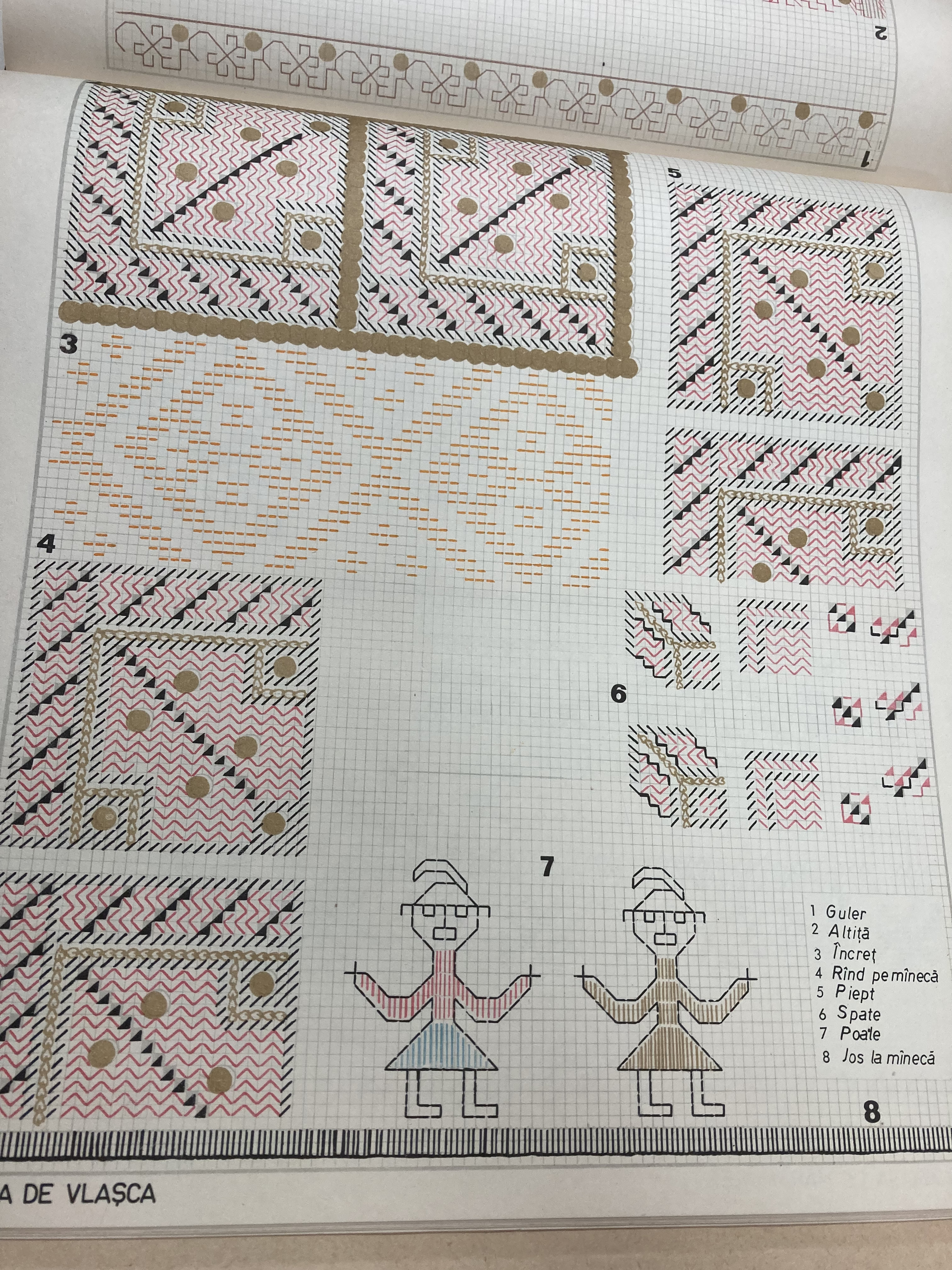
So, in case you are not clear, this is a book on the embroidery of traditional Romanian costumes, with patterns and with a Romanian text – not something we get every day in our Petersfield bookshop. (Apparently worth £50 and should you be interested, it is for sale on Oxfam online.)
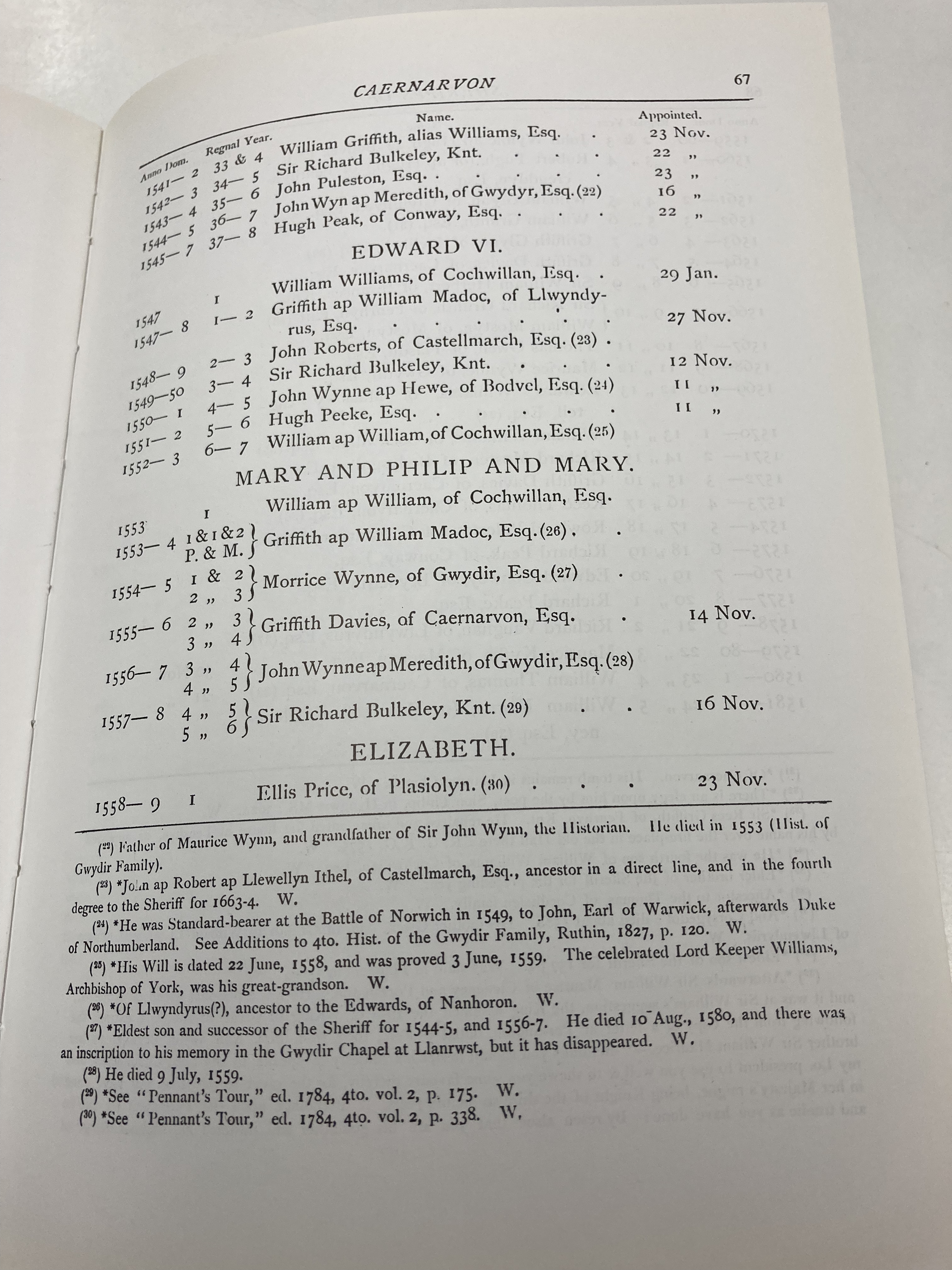
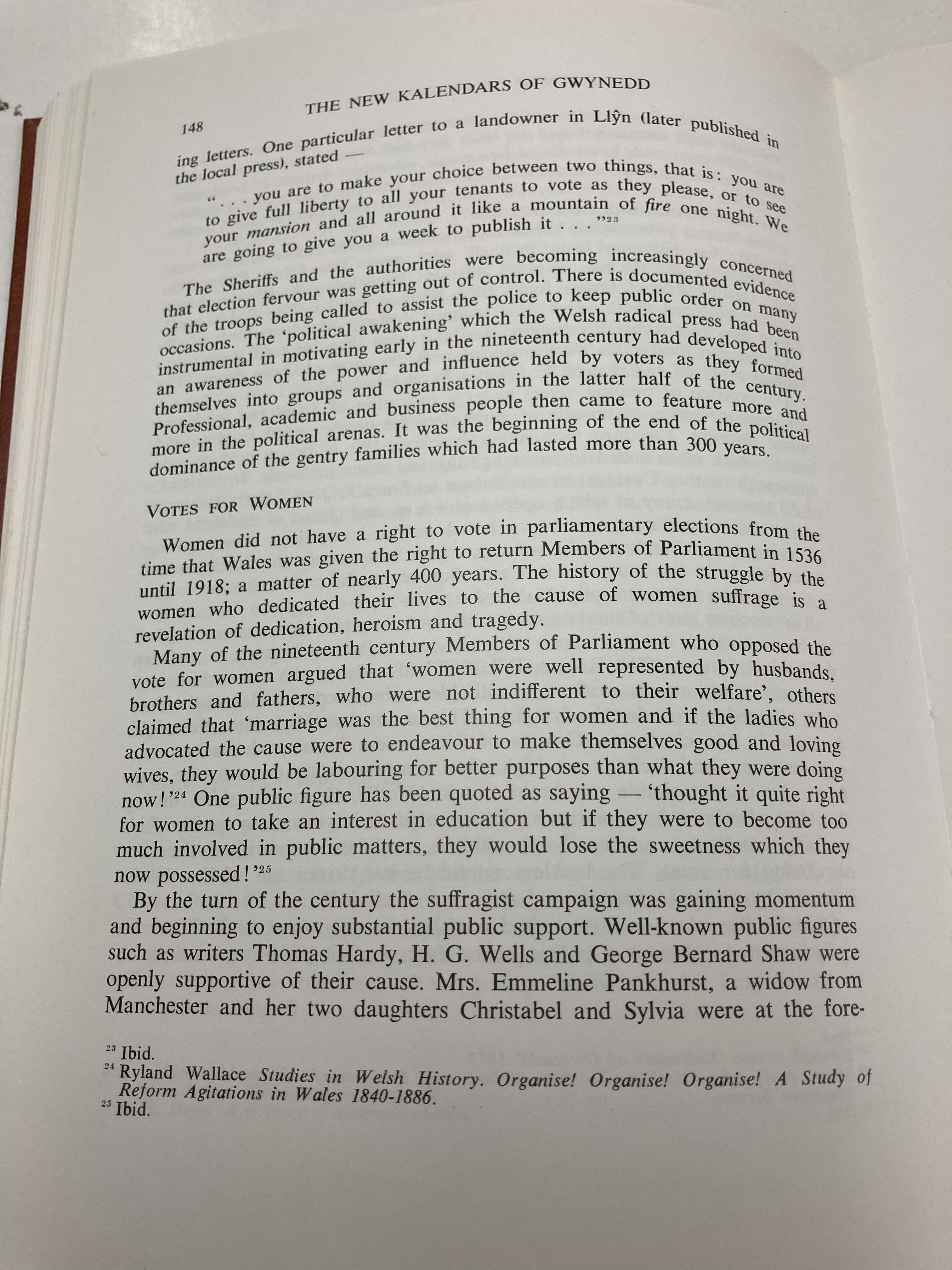
This, is a record of the High Sheriffs of Gwynedd from, as it promises, from 1284 to 1993.
Not what I expected from the title – Kalendars? No I don’t know why a Kalendar is a list of High Sheriffs.
But as far as I can work out, it means a list – and in Danish it is a calendar.
Ok I should do more research but I won’t – any research welcome on a (virtual) postcard.
According to a letter inside the book the author said it was out of print pretty quickly.
But he kept ‘ a few copies’ and he gave this one to a Major Corbett, a High Sheriff in the 1990s and donator was indeed another High Sheriff 1989-1990.
No idea how, or why, it ended up with us.
There is quite a lot ( not that I have read it all) of political history as well as the list of the HS.
As I may have mentioned before, we went holidaying in Greece.
That makes us among the most privileged people on the planet and yes, somewhat guilty about the flying – rationing ourselves to once a year is hardly self-denial.
Talking about self-denial – packing.
Now, we have been on Mediterranean holidays for many years, and what is more, this time we went back to the same Greek island as last year.
So, packing should have been a doddle.
But, and yes I am hoping you are saying ‘but’ too.
And at this point I need to tell you the Best Beloved has to use two sticks to get around so any heavily-packed suitcase falls to me to move around – another good reason for packing lightly – you would think.
There were days in my youth when my job involved a lot of travel and I could pack fast, lightly, for all the necessary occasions – a smart Rubic’s cube of a small case, and all sorted.
Apparently, I have lost this skill.
So, despite the fact that we both know what the holiday will involve, we take so much more than we need/ever wear.
Did the BB need four shirts? – actually two of them will go home unused.
Just for example.
On my part, I have an image in my head of an early evening when I shower after a day visiting somewhere, being on the beach etc etc.
I will then slip on something casual but rather nice and heading out to dinner.
I never do this.
Yesterday we ate ( a very good) lunch in what we had been swimming in, with a bit of a cover-up item – actually a worn every day, charity shop jersey ‘dress’.
And ate supper ‘at home’.
The day before? see above.
Probably ( actually very probably,) I will never wear the fancy patterned trousers, the other pair of shorts, three of the four white T-shirts, the glamorous orange top, the white shirt I bought (surprisingly for me) at full price and not from a charity shop.
The BB will not wear the nice linen trousers he brought (neither will I wear mine), or the other pair of trousers – useful though they seemed in Deepest Sussex.
He has worn the same shorts every day.
I needed a cardigan and denim jacket – really? It is in the low 30s centigrade.
The BB brings snorkelling gear for me every year in the hope I will overcome my irrational fear of putting my head underwater and go looking for small fish – in my defence, there aren’t many.
So, for all the complaining about lifting and moving a heavy case and a pull-along, I only have ourselves to blame.
We have every intention of coming back here next year, not least because it works for the BB – and probably to the same apartment.
It would be good to be able to leave a bag of stuff here that we only use here – flip-flops, snorkels (see above), a few clothes, factor 50 sun cream….
But I am guessing Panos, the apartment owner would rather we took them home and learned to pack better.
Have you ever grated a tomato? I can almost hear the shouts (from my small but perfectly formed group of readers) saying what?? Open a can of nice Italians. Job done.
But dear reader(s) I am here to tell you that though it is a more lengthy process than opening a can, it can be really worth it.
If, at this point you are still not convinced, you need to go and find something else to do – knit your own jumper, dig up the ground elder (though that is a thankless task) etc etc.
Anyway, if you are still with me, let me tell you again good things are possible with a grated tomato.
But first you need to hear a story about sausages.
As long-standing friends will know, I work at some events across the year which are a mix of gardening exhibitors/stallholders and large marquees of food and other artisan makers of everything from jewellery to pottery.
Yes, the lovely Tracy is an ex-con turned pig farmer – who knew? and employs other ex-cons to work on the farm, come to the shows – and sell sausages.
I bought some, and some of which which were pork and fennel. (They are excellent and please buy some if you can.Tracy’s vision and making it work – just saying.)
Rootling around in the freezer one day I found them, and rootling around in the fridge I found a fennel bulb.
And I had some properly nice tomatoes.
So, here is what I did.
No of course it is not a proper recipe, but a general idea of what you can do…
Grate your tomatoes. Get your usual cheese grater, cut tomatoes in half and grate against the large grater side. The skins stop you grating your fingers.
Put what all of what you get into a pan/casserole. I was using a Le Creuset inherited from my mother who sent me off to university with them, and I have them still. But other not-so-posh pans will do nicely.
Better tomatoes, better result, so please don’t do this out of season. And even in season, keep the tomatoes out of the fridge so they have chance to develop their flavour.
At this point I would like to say firmly, that no, a tin of tomatoes, however good, will not do instead.
You need the thinner ‘sauce’.
Now, take your fennel bulb and cut around the tough centre and keep the fronds for decoration.
Cut the layers into slices and fry gently in butter, be generous – yes not that healthy but it does work, believe me.
It takes a while but you should either eat fennel raw ( in a salad with orange, say) or very well cooked and softened – and in this case you want it well cooked.
Cook your sausages however you like.
Add some Marigold bouillon to the tomatoes, a splash of white wine and at this point you can slice up some new or old potatoes and add them in and then cook gently.
You might need a pinch of sugar if your tomatoes are not just perfect – which mine weren’t.
Keep tasting the sauce and add pepper, more bouillon, whatever, if you need it.
Now, if you want a thick sauce, then take some of it out of the pan with some of the potatoes and whizz them up with a hand-blender and put back into the pan.
Either way, then add fennel and its butter, cut up sausages and snipped fennel fronds and serve to an appreciative Best Beloved and neighbours.
By the time I remembered too late that I should have taken a photo ( beautifully lit) of the finished product – but hey ho, it had gone and no one wants a picture of the washing up in waiting.
If you are a hobby upholsterer, you have a house with absolutely no shortage of chairs. And, at the moment we have what could charitably be called a glut.
One came useful when we had to create an Oxfam window display for Charle’s coronation, of course we did.
Those who know me well, will instantly realise this was not a display I had been planning for months, looking forward to eagerly, putting even a bit of my heart and soul into, but there you go, it has to be done.
I had a chair – thrown in for free when I bought some others to seat our extended Christmas lunch numbers.
And I thought it could pass for a bit regal. I decided to recover the seat with some tree fabric as a nod to environmental credentials.
And I nipped up the road to one of those shops which sell everything as long as it came from China, and bought a blow up crown.
I have to say, the design wasn’t great and it took for ever to even semi-inflate and deflated itself before Charles had made it back to Buck House.
Still, it’s the thought that counts.
Using red, white and blue china and books, I thought I had created something which would pass muster in a restrained kind of a way – but other volunteers had other ideas and once my back was turned, the table was festooned in flags and pictures of Charles and all sorts.
I’m planning on re-doing the seat so that it is more William Morris (see below) and less Charles III in the hope that too will find somewhere else to live. What do you think?
(This is nothing do with with chairs but is a small diversion in Oxfam serendipity.
As I was assembling the display, another volunteer called in with a shoe box. She had been at her U3A antiques course in a local pub when the landlady came over with said shoe box.
Apparently it was stuff left behind, unclaimed lost property and she wanted to give it to a charity shop.
Our volunteer bagged it for Oxfam and on opening it we found a set of Queen Elizabeth coronation spoons and George VI coronation cake forks.
The spoons sold before I had time to nip upstairs and take a photo of them so you will just have to imagine.)
Anyway, back to chairs.
Not so long ago someone donated a bag full of Sanderson and Liberty fabric from the revival days of William Morris patterns – I am thinking the 1980s country house look.
I thought I would start collecting books with covers which were arts and crafts movement and, at a pinch are nouveau.
Now I know William Morris was not art nouveau and I know that arts and crafts was a very different kind of movement, but us Oxfam book sorters have to make do with what we have and be a bit lateral now and then…
At much the same time someone in the village contacted about some chairs she had inherited/been landed with when her neighbour died.
She was very keen for them not to end up in the tip so I said I would take them and see what I could do.
One was a simple, small, low chair which needed something better than the Draylon stretch cover with large purple flowers. Underneath, it had that raised scratchy fabric that I remember from a great aunt’s house.
It was not a thing of loveliness inside or out so it needed properly re-doing, from bottom to top.
Anyway rootling through the donated fabric I found a piece of Honeysuckle Minor which I thought would do nicely.
And it did.
So, the plan is to have the chair on the table with the lengths of other fabrics and the books and to see if the book-buying public of Petersfield have nostalgia for the 1980s or even the 1850s.
Meanwhile, I had listed it for sale and, sweet though it is, I was surprised to have someone wanting to buy it the next day.
Luckily, being a nice person, she agreed to have (now) her chair in the Oxfam window for a week.
In fact she seemed rather chuffed.
A couple of months ago, rootling around in the Red cross shop, I found some GPlan dining chairs and known the mid-century stuff is popular, I bought them and thought I would make a bit of a profit in doing them up and selling them.
After trying the patience of the fixers and tinkerers at our monthly Repair Cafe, and all four were sound and fixed, I set about the upholstery.
Then my Best Beloved took a fancy to them and suggested we got rid of our in-use chairs (also reupholstered by me and made sound by someone else.)
I was not hopeful that they would sell – being brown furniture which is certainly not all the rage.
So, imagine my surprise when I had barely time to put the kettle on after pressing the button to get them listed online, when there was a ping and someone who had the right period of house said, yes please.
And she was really pleased with them in her dining room.
But, by contrast, this nice mid-century Habitat chair was not sold when I was pretty sure it would. And is now getting in the way in the kitchen – not one the BB wants to adopt.
But, among the ‘inherited’ chairs I have now ‘inherited’ is a set of dining chairs which I really like.
They need fixing, hello Repair Cafe, and then de-varnishing and then re-upholstering by which time – someway off – I am rather hoping the BB will take to them and then I can start looking for a new home for the GPlan ones.
There are few bastions left between me as I think of myself and the caricature of a Sussex housewife I seem to be becoming – and one of the few was breached today.
( Do you breach a bastion and if you do, do you have an undefended citadel? I’m sure my Best Beloved will put me right on this.)
Anyway, suffice it to say I put entries into the village horticultural society spring show.
Those who know me well might find themselves taking a sharp intake of breath – I certainly did.
Now, you need to know this is not so much a jolly village event when people turn up with their daffs in a vase, or a couple of hyacinths, or a pickle they made last Autumn.
Well actually they do but they have to be within the rules of the national Horticultural Society which seem to be quite finickity – and are judged by visiting experts.
Your pickle or jam:
I never even thought about the daffodils:
Yes indeed.
The BB was very supportive and a whole lot better than me at flower arranging so this is what we put in the hellebore class:
And a hyacinth.
By the way that vase is Roman glass – it did me no good.
Neither did the fact that we knew nothing about how to make sure hellebores don’t droop.
(Apparently, I learn form YouTube much too late, you should pick the ones that have set seed, or score the stems, maybe plunge them briefly into boiling water and then into cold water…….)
Other, more experienced Sussex housewives obviously knew what they were doing.
But there was a cooking class and one of the categories was a leek and cheese tart. Now, I can make that with my eyes closed ( as they say).
I was a bit distracted when I made it and it didn’t turn out as my best ever so I thought I might scrap it and make another one.
But one of the few bastions left was the thought that I would not be true to myself if I found myself re-cooking an entry to the village horticultural society spring show.
So I didn’t.
I took it down to the village hall and told my good friend (very good gardener but not keen on cooking) and who said she had nothing in the fridge, she could have it for supper.
This is what the judge said:
My friend said she could imagine my face when I read those comments – mind you she also said she didn’t care as it was her supper.
So, I am assuming that she is eating it without worrying about the fact I hadn’t trimmed the pastry as well as I could. In fact I am sure she is.
I was expecting to think ‘OK done that once and that is more than enough.’
But alarmingly, I found myself back at home leafing through the list of categories for the summer show and ticking what I think I might enter.