Like most jobs the work of an Oxfam volunteer has a lot of routine stuff in it – but oddities, strange things, little gems and surprises make it all worthwhile – well most of it anyway.
So rather than bore you with an account of the routine, but necessary, stuff that needs to be done to keep the shop alive – though I could tell you about the alphabetical ordering of paperback fiction, the donations of souvenir books of people’s travels ( and indeed who in Petersfield will buy a glossy book of photos of Nebraska ) – I will instead delight you with some of the oddities.
First up, and an exception to the rule as above, a little paperback survivor of book on Lucerne and its surroundings.
I looked up Polytechnic Conducted Tours and found this:

The Polytechnic Touring Association was a travel agency which emerged from the efforts of the Regent Street Polytechnic (now University of Westminster) to arrange UK and foreign holidays for students and members of that institution.[1] The PTA became an independent company – though still with close links to the Polytechnic – in 1911. Later it changed its name to Poly Travel, before being acquired in 1962 along with the firm Sir Henry Lunn Ltd. A few years later, the two firms were merged and eventually rebranded as Lunn Poly (and later on as Thomson Holidays). The PTA was one of a number of British travel agencies formed in the latter part of the 19th century, following on from the pioneering efforts of Thomas Cook. ( Wikipedia)
Next up is another little book which I think falls into the categories of ‘there is a book out there on any subject under the sun and if you wait long enough, it will come into the Petersfield Oxfam bookshop. Along with people have unusual passions, and find the time to write a book about it. (This latter category includes, by way of example, a book on post boxes in Devon, and a book on fishing with bamboo rods.)
And this one….
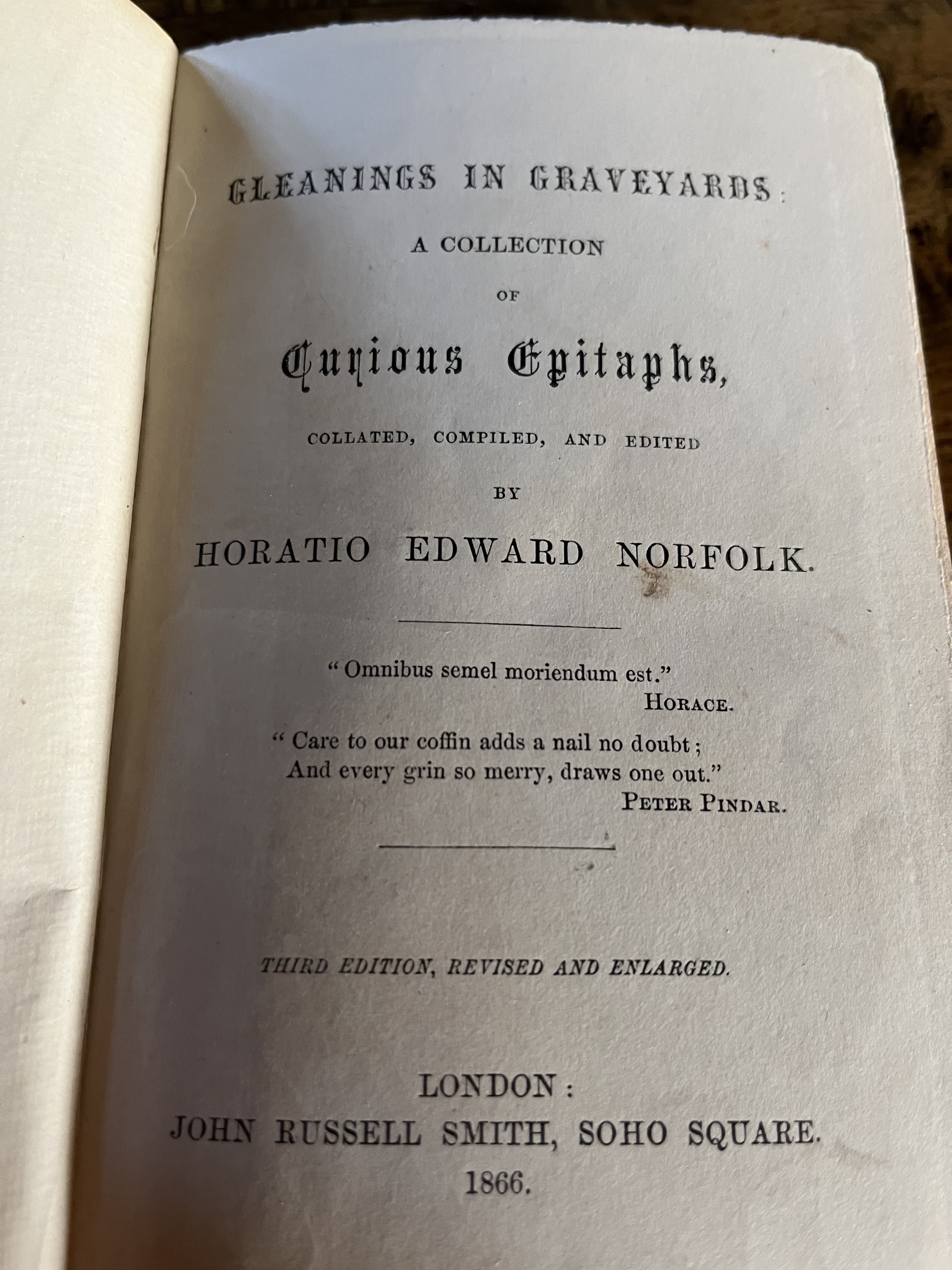
Anyway, where was I. Apparently wandering around the graveyards, or ‘God’s Acres’ of the country.
Where, according to Horatio Edward Norfolk, ‘ the mind of of even the most careless man should be directed into a train of serious and healthy reflection’.
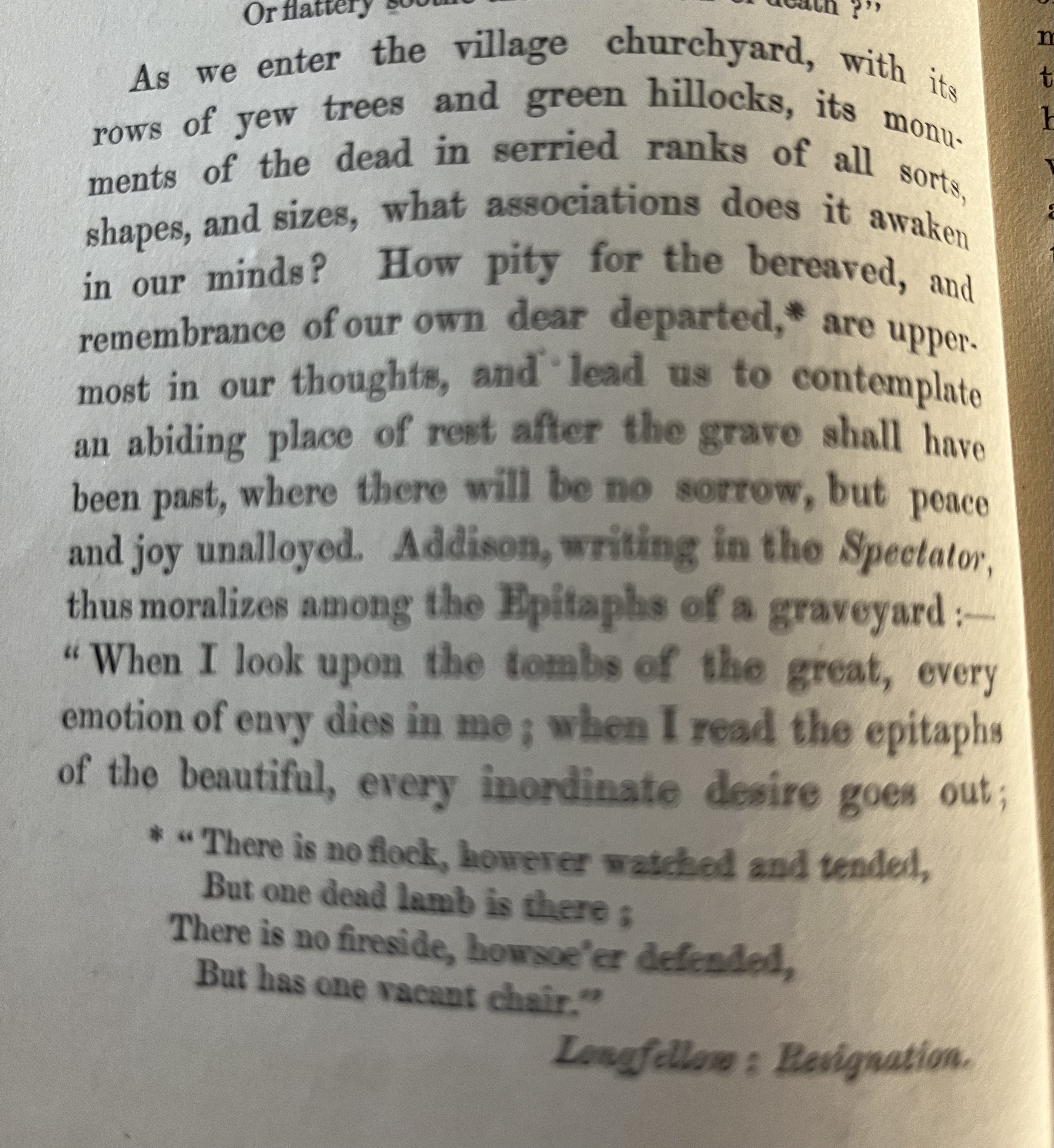
He does pontificate rather:
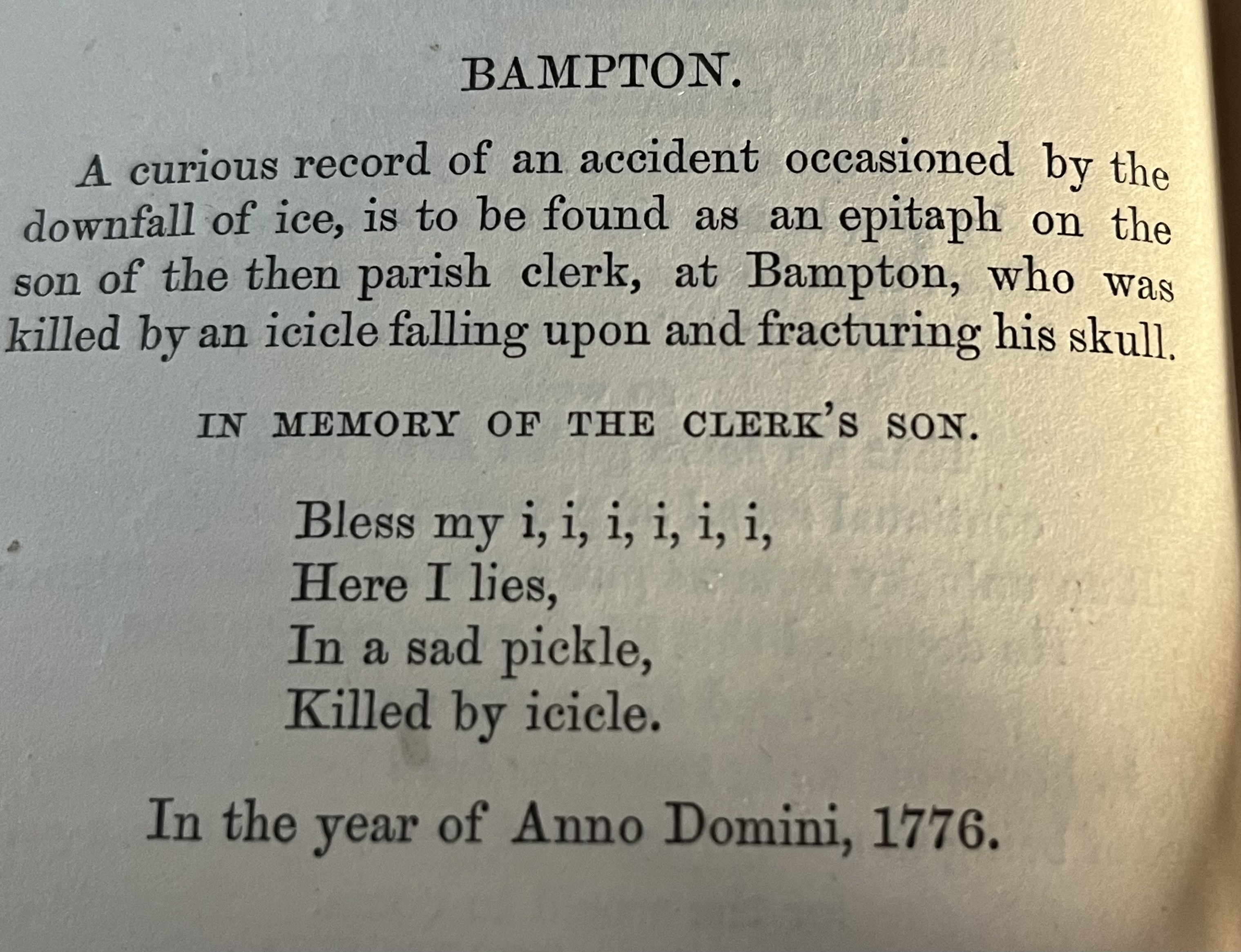
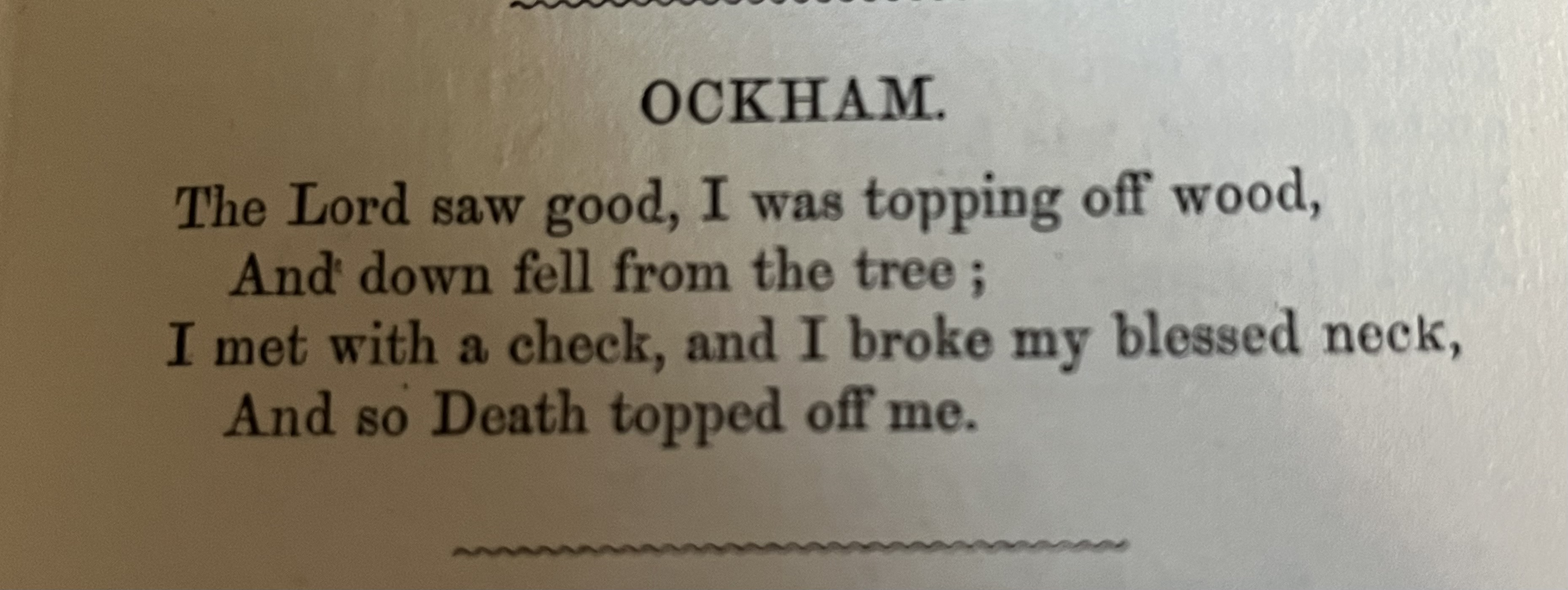
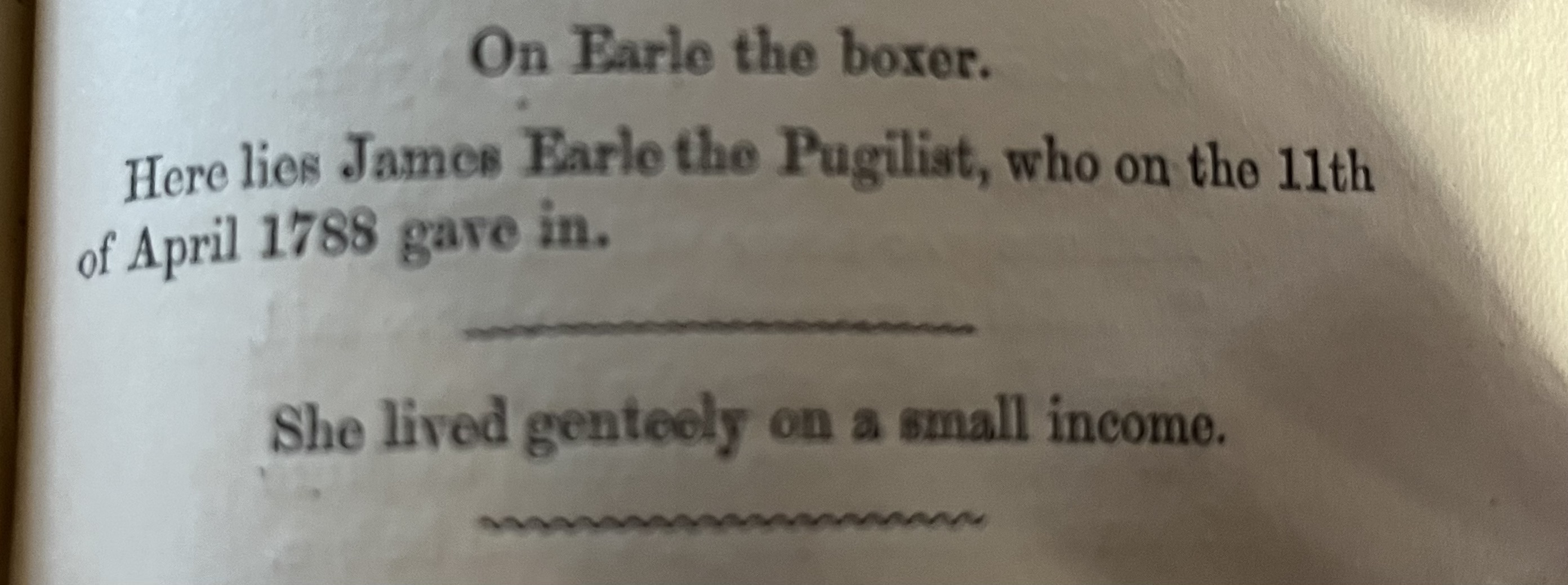
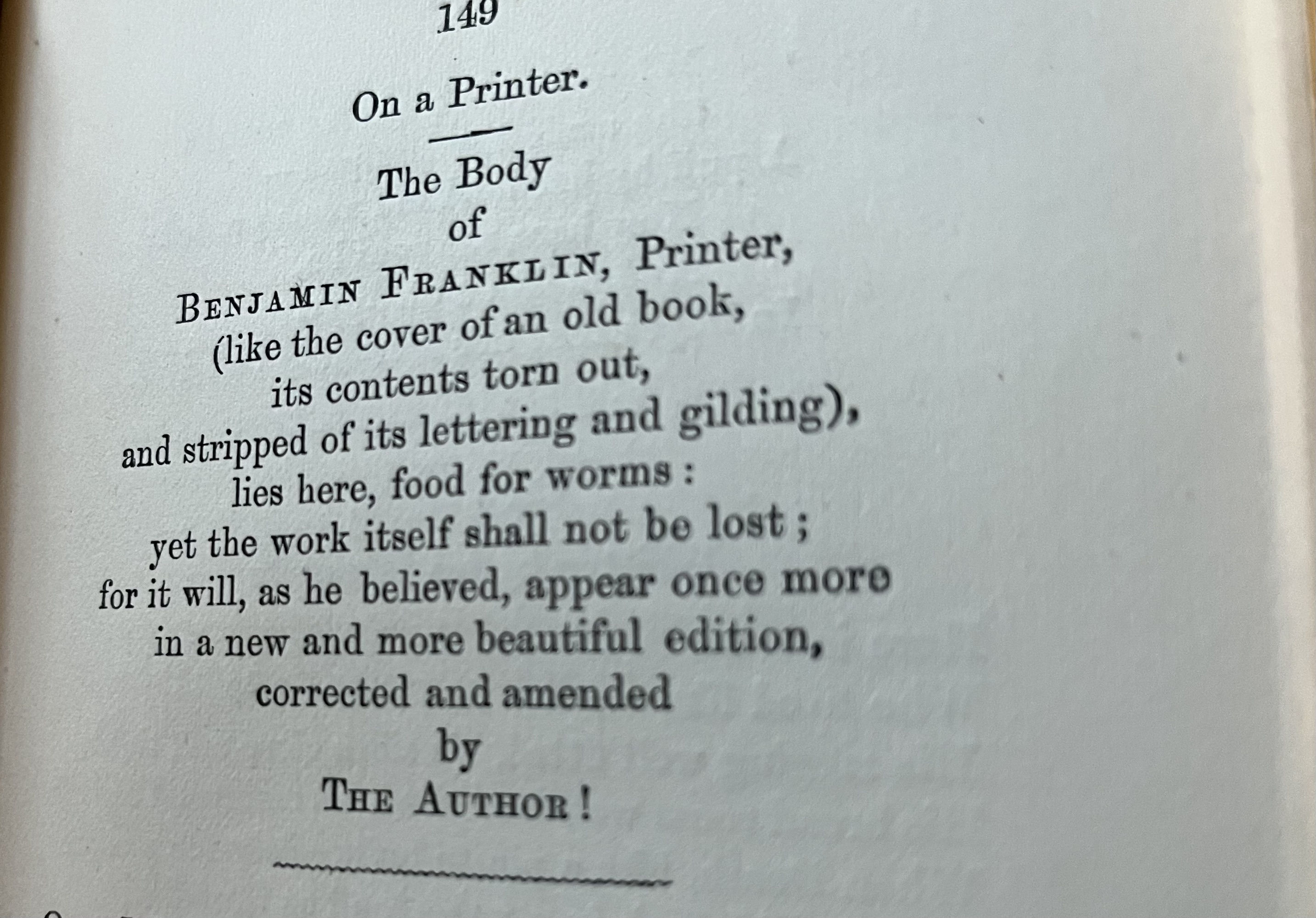
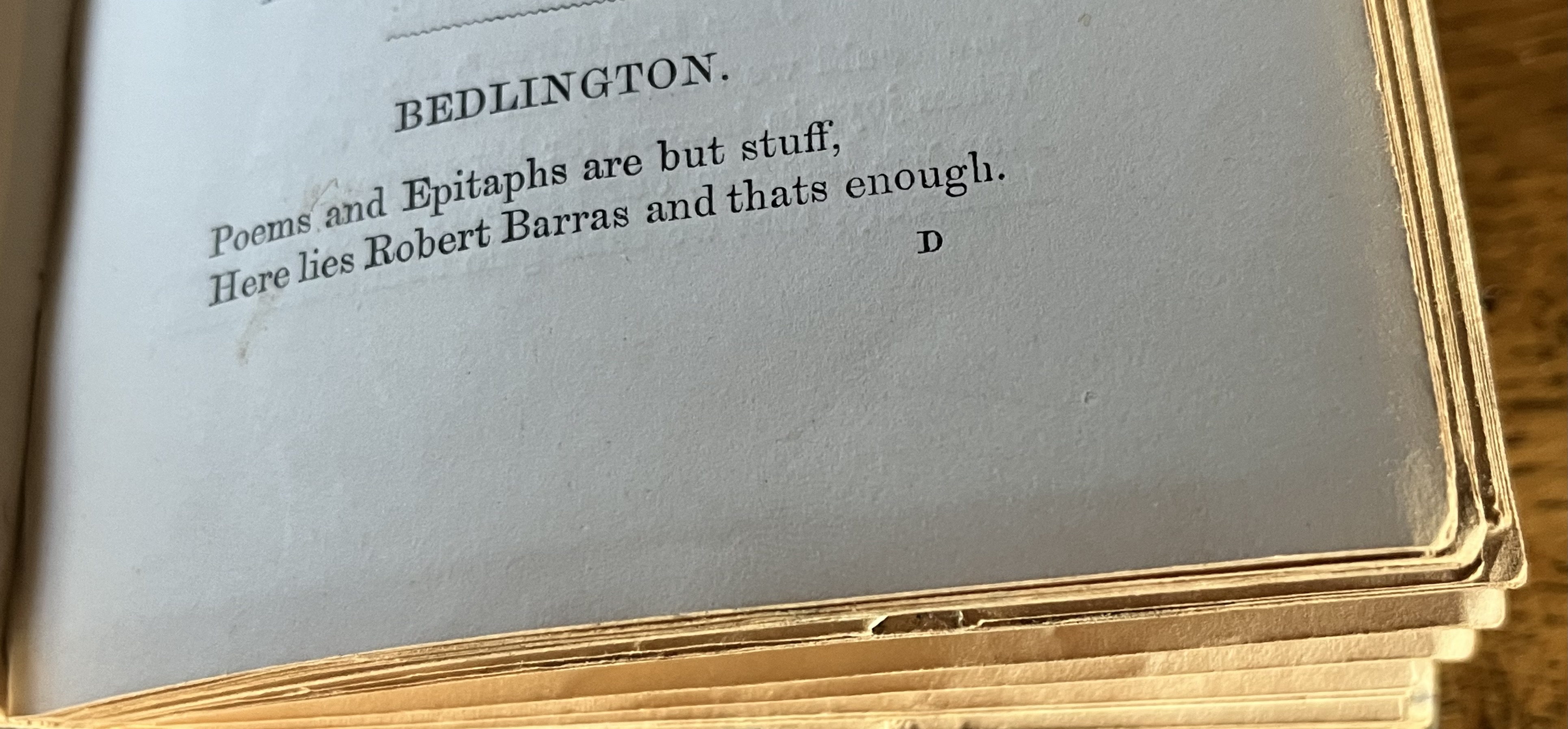
And here are some samples of what he found:



Presumably, as this was found in an Oxfordshire churchyard and not London, it was the plague outbreak of that year which killed them all, rather than the Great Fire of London.
I have a few more oddities to tell you about but in the interest of bite-sized pieces, I will leave them until next time.
 thereluctanthousewife