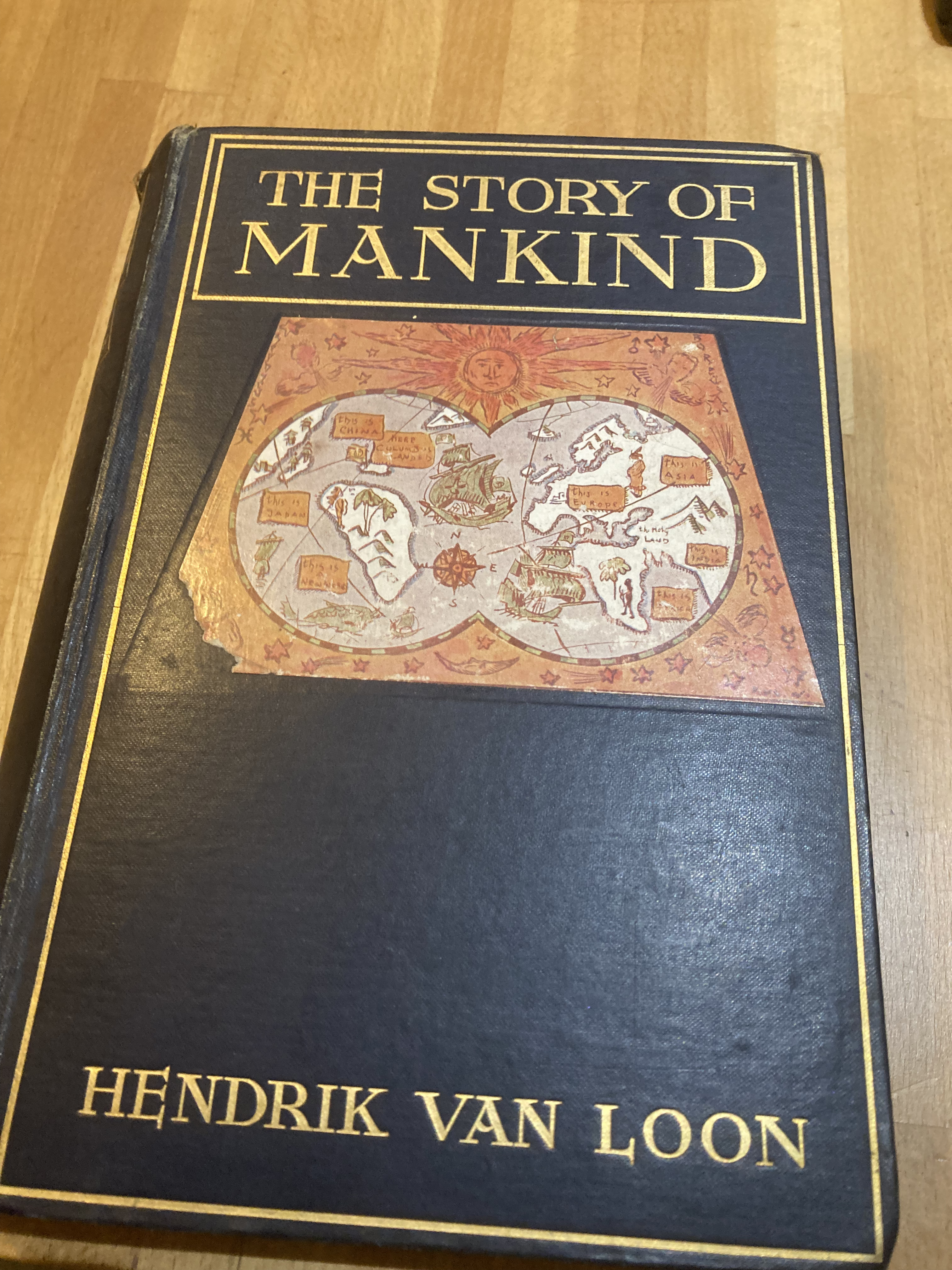
Hendrik van Loon got sent to my house when I was languishing with Covid, bored, and couldn’t go into the Oxfam shop.
He arrived in a box with a collection of other books that I could ‘play around with.’ ( And more of the other books another day.)
And he is enchanting. Well, the book is, yet there are aspects to Hendrick’s life which have more question marks than enchantment – but more of that later.
Now, before you begin, I must warn you there is a long schlepp ahead of you. There are lots of images as well as words.
And I dedicate this blog to Mary and Bob – no they are not dead, off enjoying Irish music in the pubs of West Ireland – but they reminded me to tell some more Oxfam stories. Thank you to you both.
Just so you know:
(January 14, 1882 – March 11, 1944) Hendrick van Loon was a Dutch born historian, journalist, and children’s book author.
So, apparently this is a book he wrote for his children and ‘The Story of Mankind tells in brief chapters the history of Western civilisation, beginning with primitive man, covering the development of writing, art, and architecture, the rise of major religions, and the formation of the modern nation-state.’
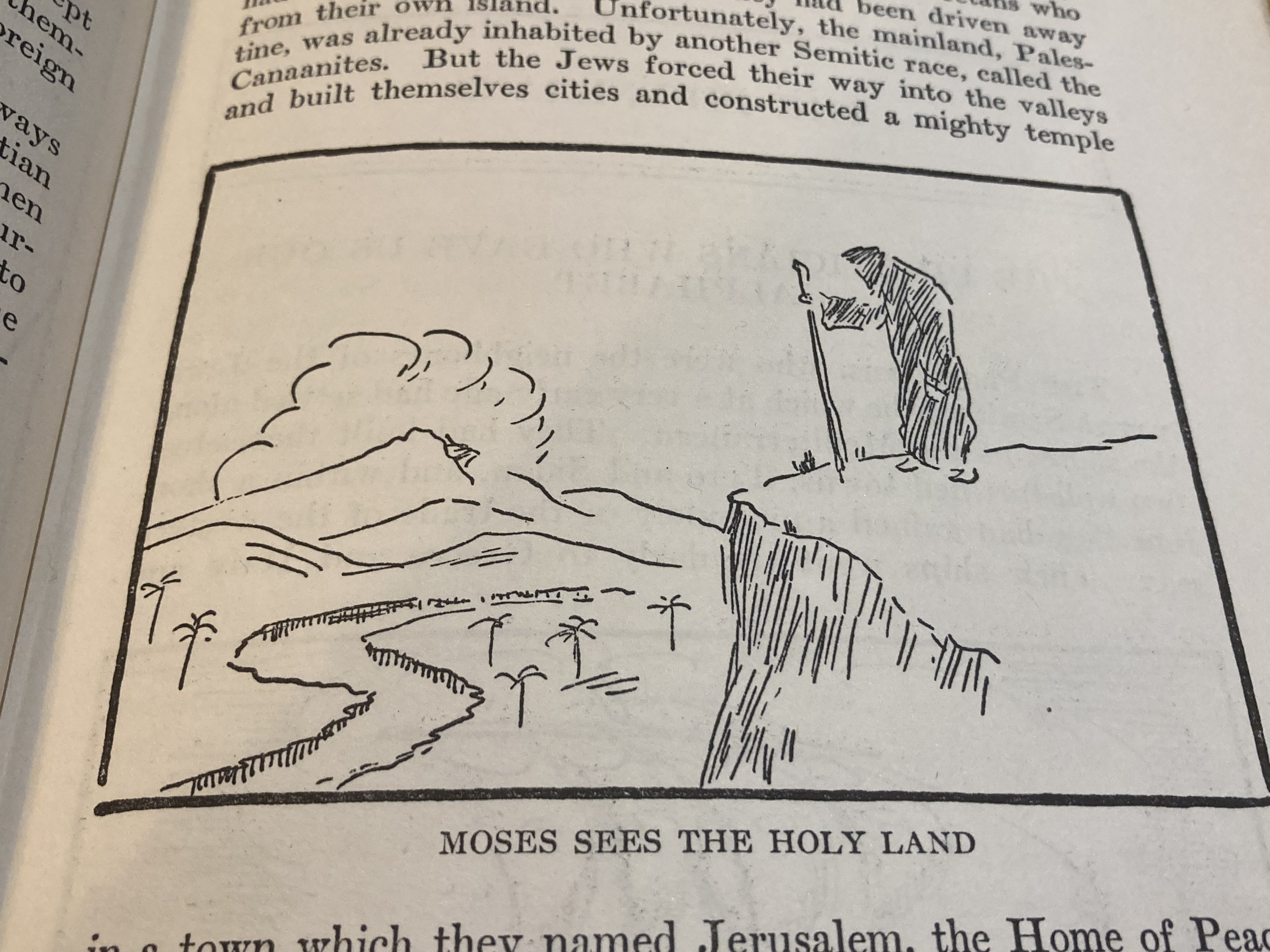
The chapter on Moses comes between the chapter on the Sumerians and the Phoenicians who
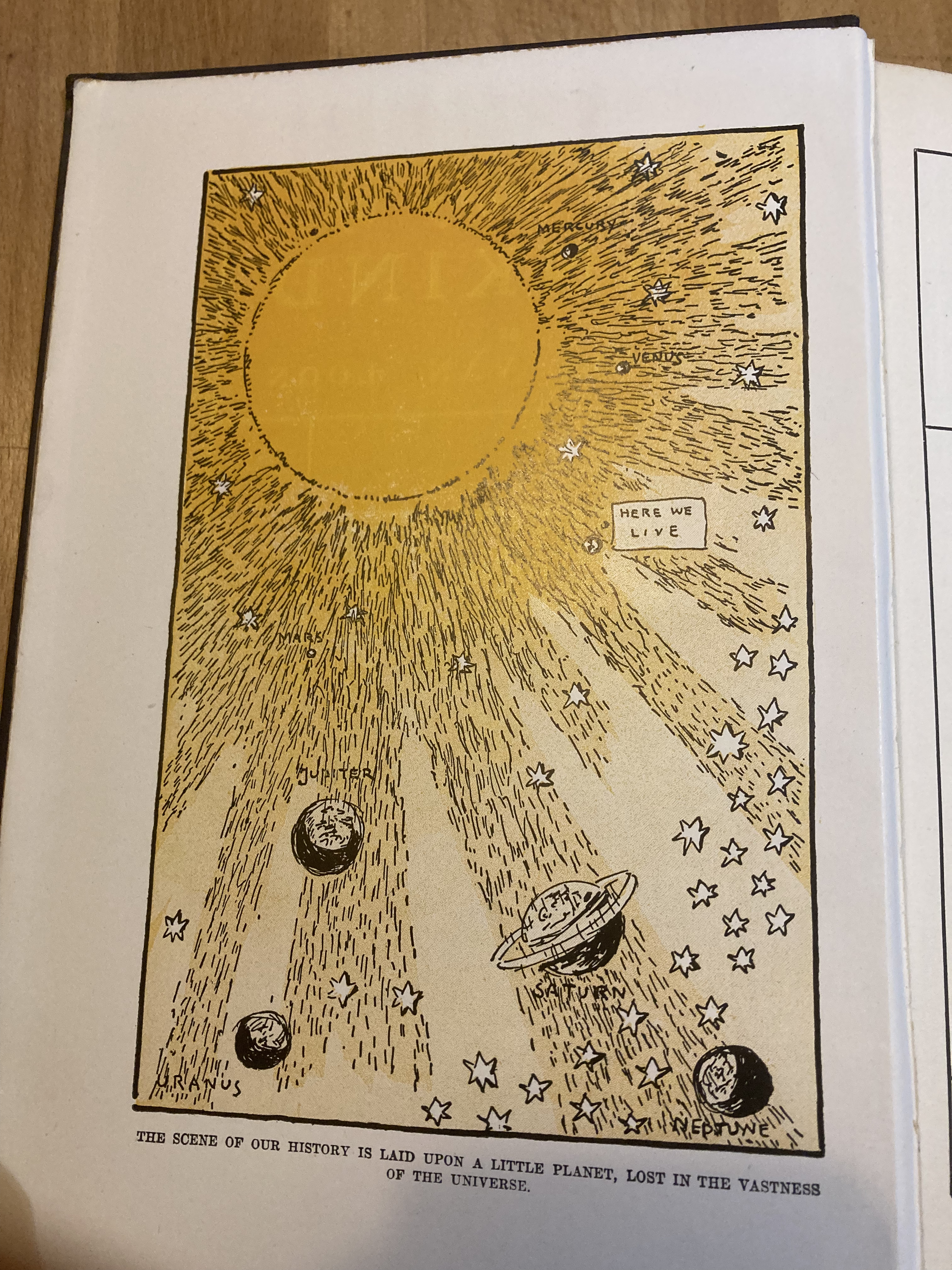
He not only wrote but also illustrated this book, and isn’t this great?
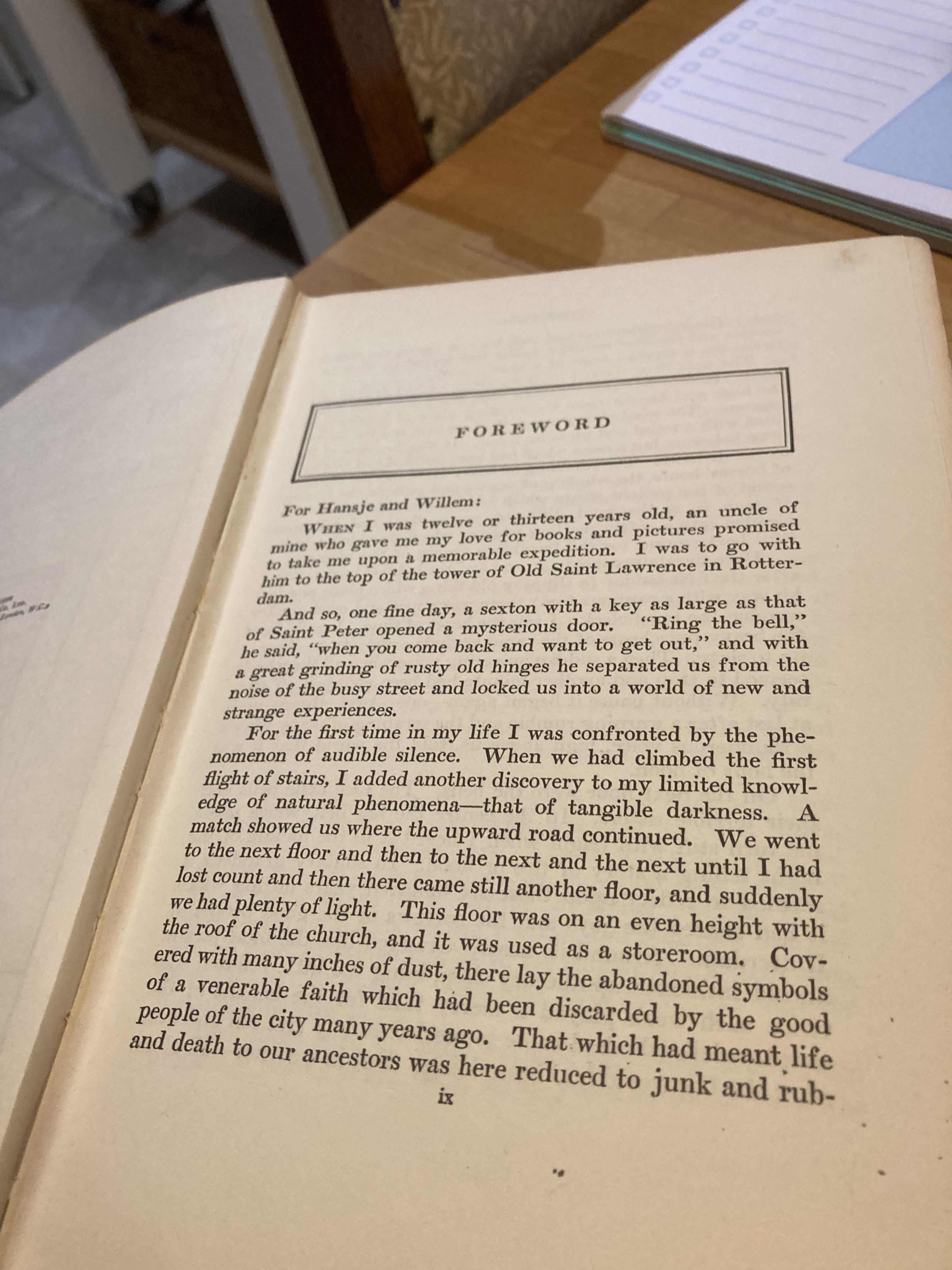
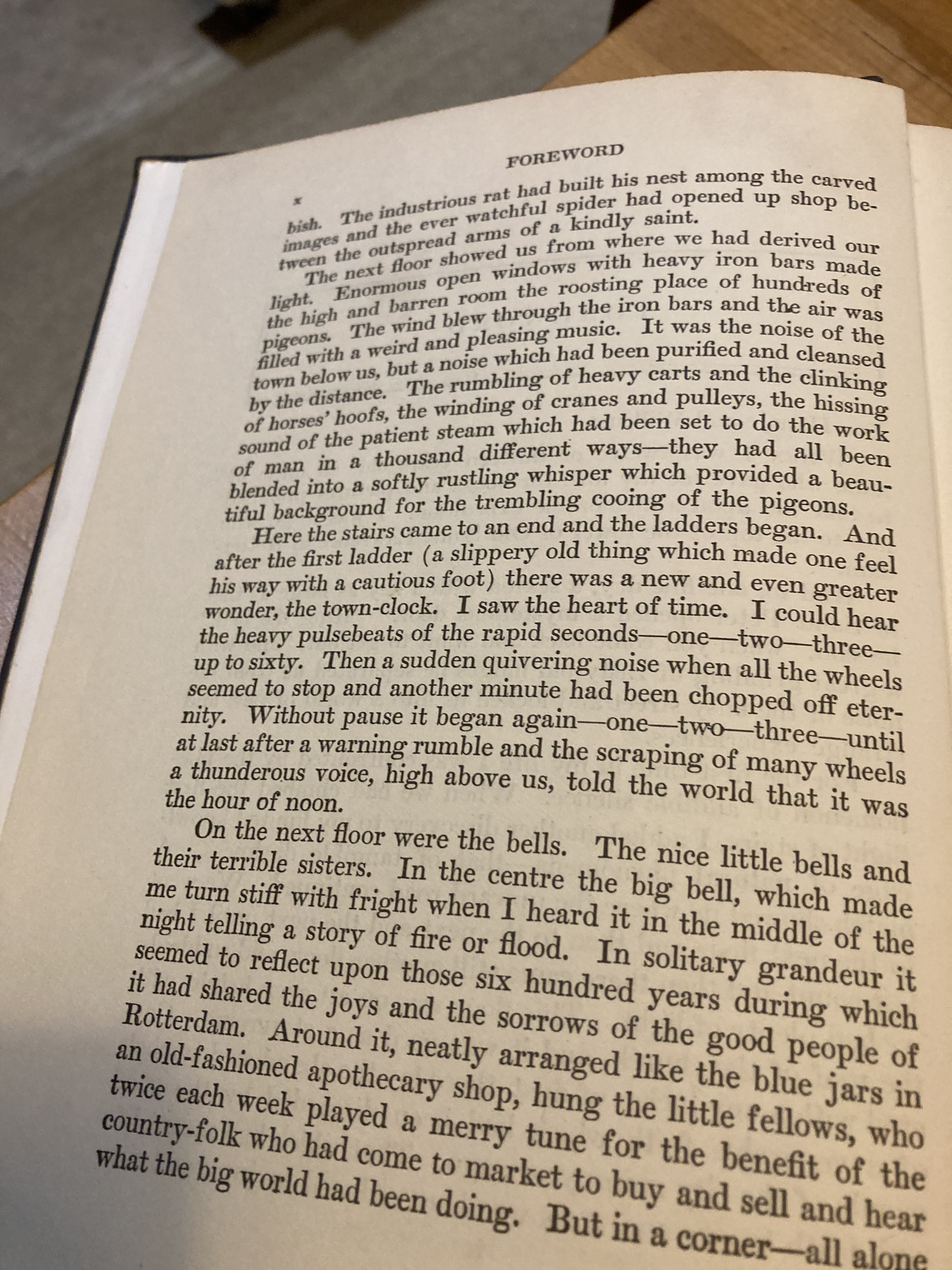
This is not a short book, so Hansje and Willem must have had to have a good few nights when their dad read it to them.
But if ever there was a book written to be read out loud, this is one of them. Tell me when you read these starter pages, you can’t hear a Dad’s voice?
Don’t worry I am not going to go through the whole book with you, even the most loyal of readers are not going to accept a commentary on nearly 500 pages from ‘The Setting of Stage’ to ‘The New World.’
So, I am just going to give you some of the drawings with the occasional snippet of the words.
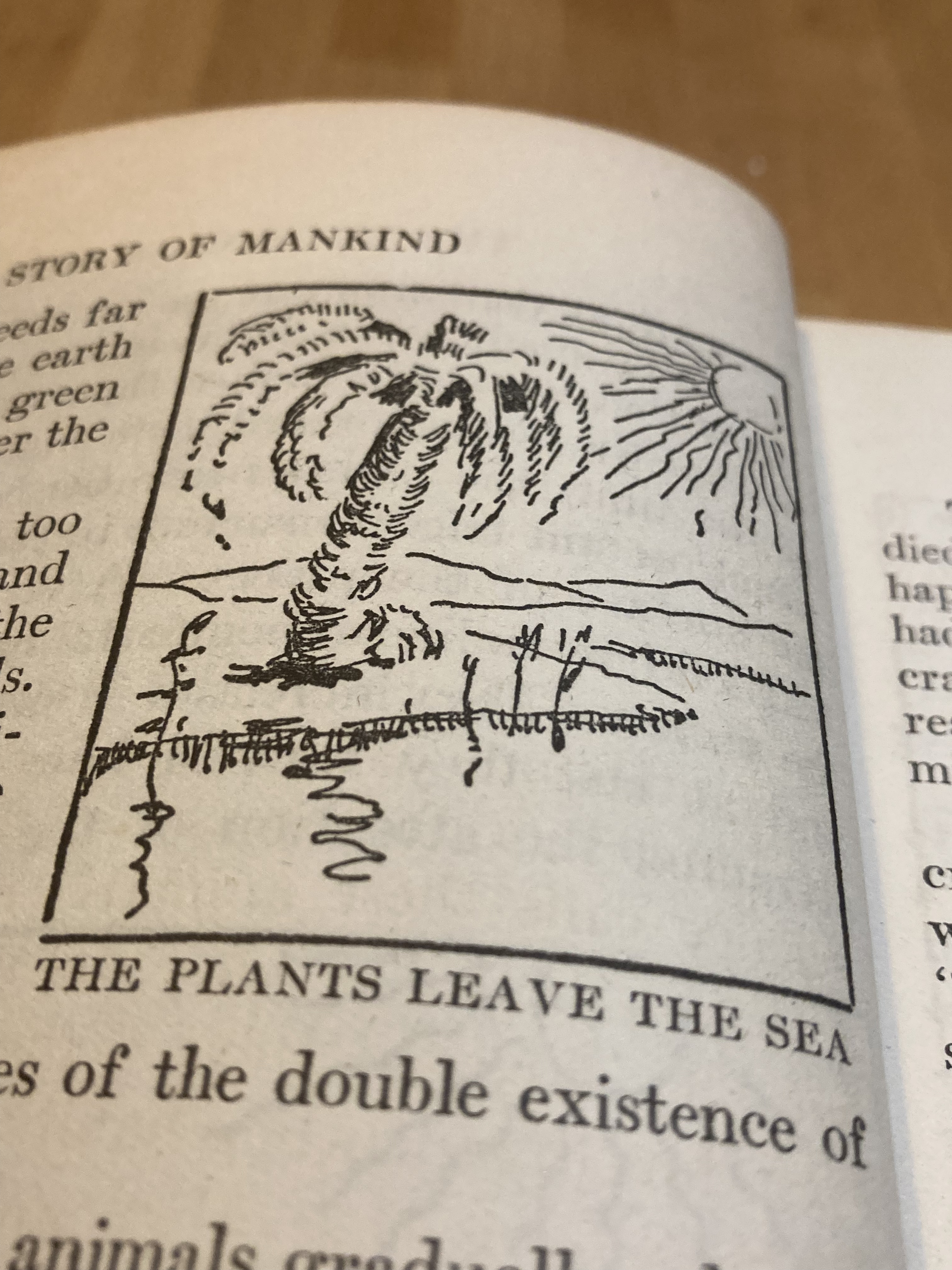
Now that has to be a pre-historic marine-caterpillar dressed up as a palm tree – which is a bit of a stretch as the first movement of sea to land vegetation.
And it has guest appearances later in the story of civilisation:

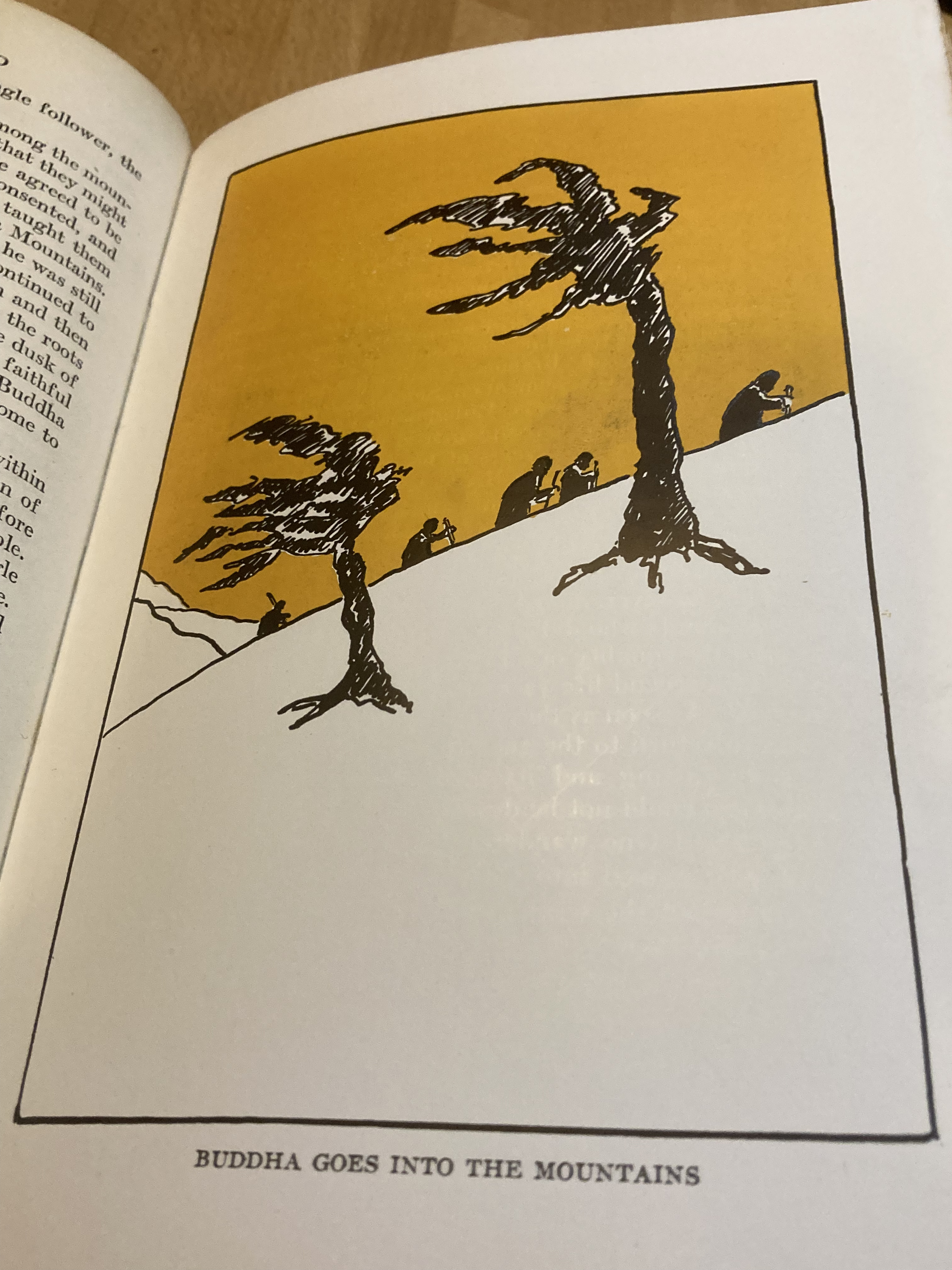
Interestingly, there is little mention of dinosaurs – a paragraph or two. But I assume that it was Jurassic Park (1993 – yes that long ago) that lit the fire under (primarily) boys’ fascination with anything called something ending in ….saurus.
And there are maps which I am sure the Best Beloved, will study as he is writing his history book, meanwhile Jess has better things to do:

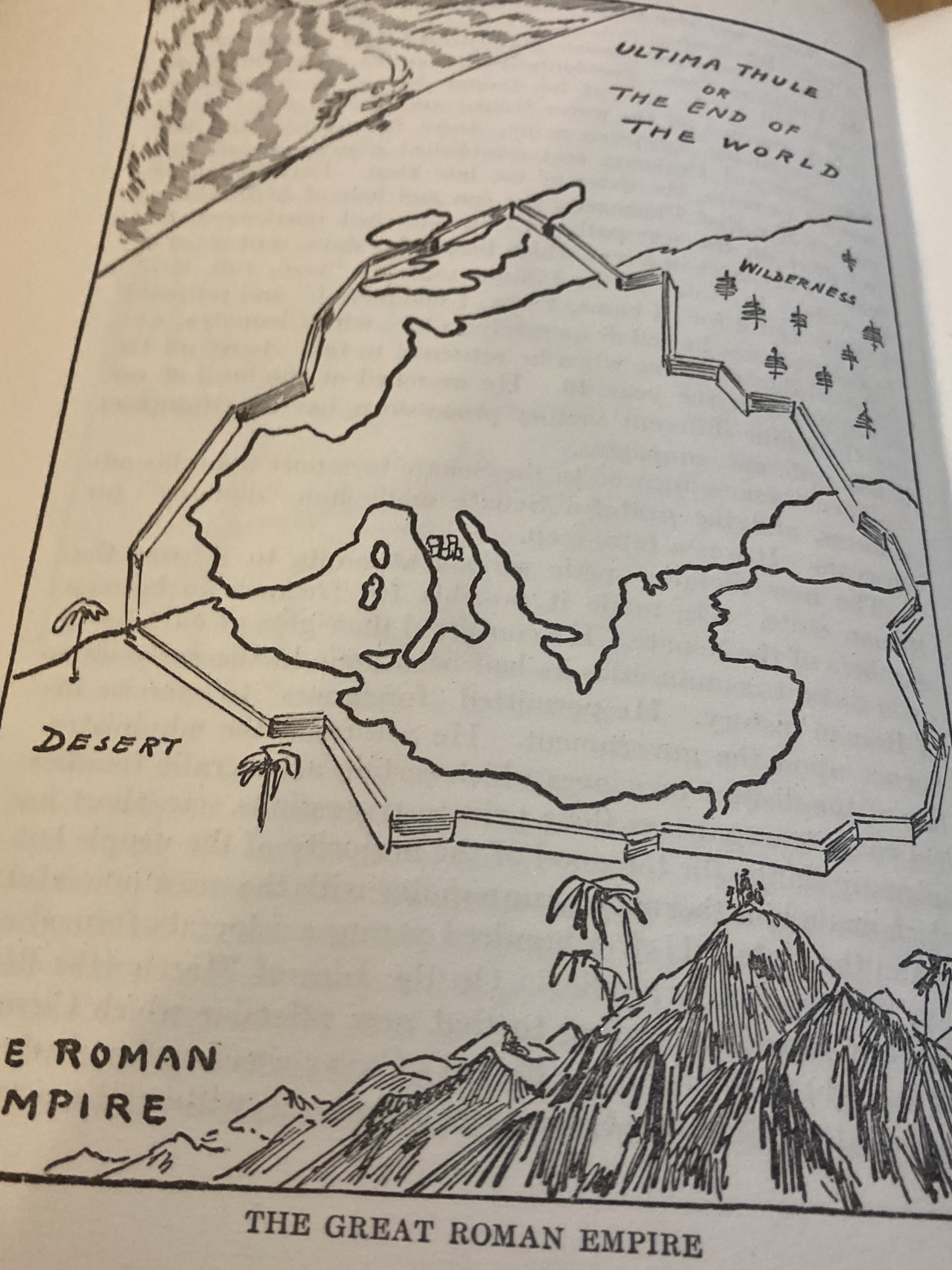

So, here are some of the illustrations which are nothing if not a snapshot of the subject:


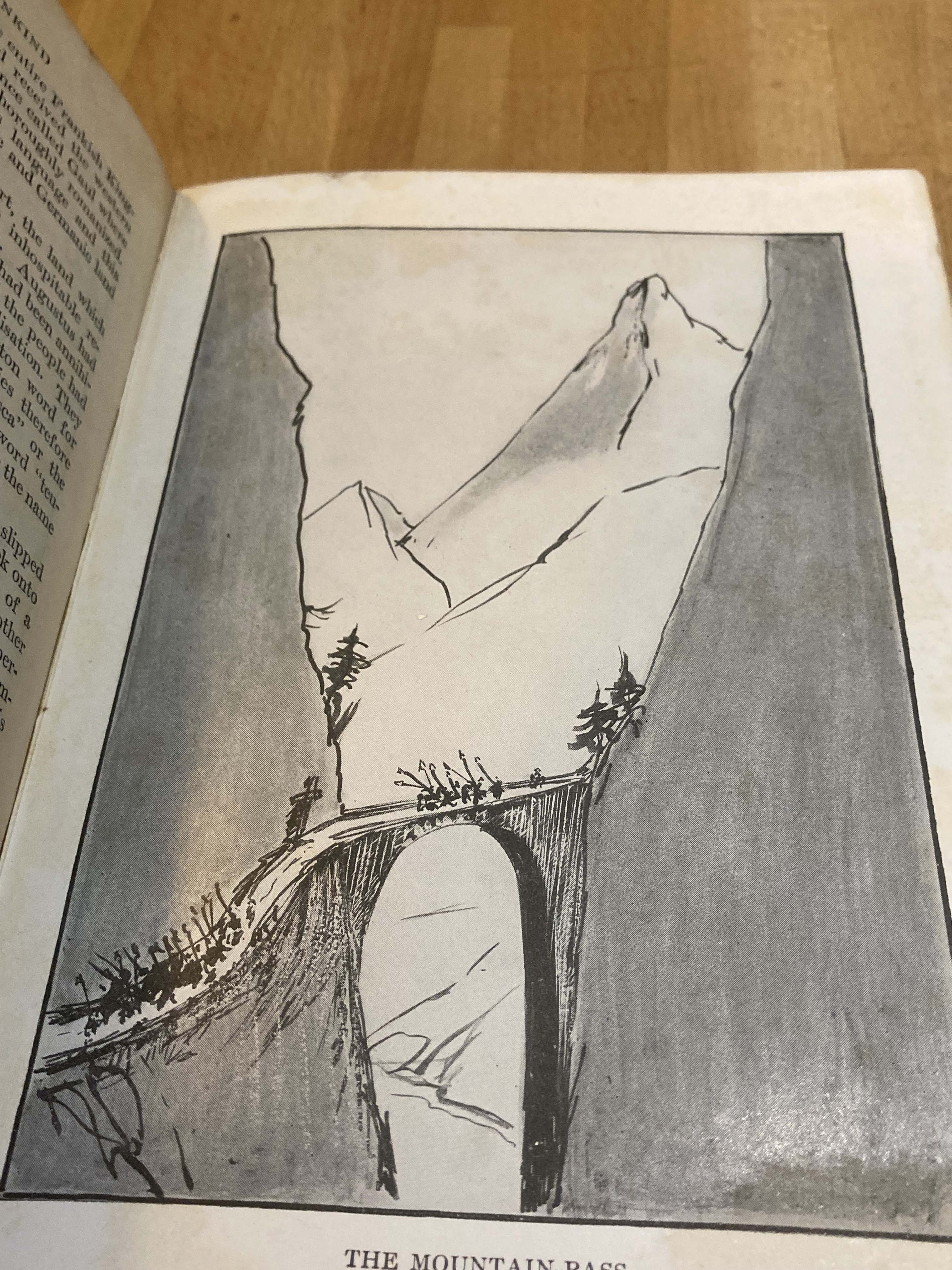
Now I am not sure of Hendrik’s views on all of the religions of the world though neither of these look altogether happy about their allotted lot:

Just a quick note on Hendrik.
He wrote lots (and I mean lots) of books – check Wikipedia.
Wikipedia also told me that Hendrik married an Eliza and had his two sons, then after leaving her ‘had two later marriages’ to another Eliza, and a Frances. Then he left Frances and went back to the second Eliza. Keeping up?
That is quite a lot of marriage stuff to fit in between writing dozens of books on everything from The Rise of the Dutch Kingdom, followed ( inevitably) by The Fall of The Dutch Kingdom.
Multiplex man, or the Story of Survival through Invention, Life and Times ofPeter Stuyvesant (no, not the cigarette brand), and Man the Miracle Maker – all in 1928.
In case you were wondering, he was married to Frances in 1928 so either blissfully happy and creative, or hiding away in his writing room and keeping very distracted and busy.
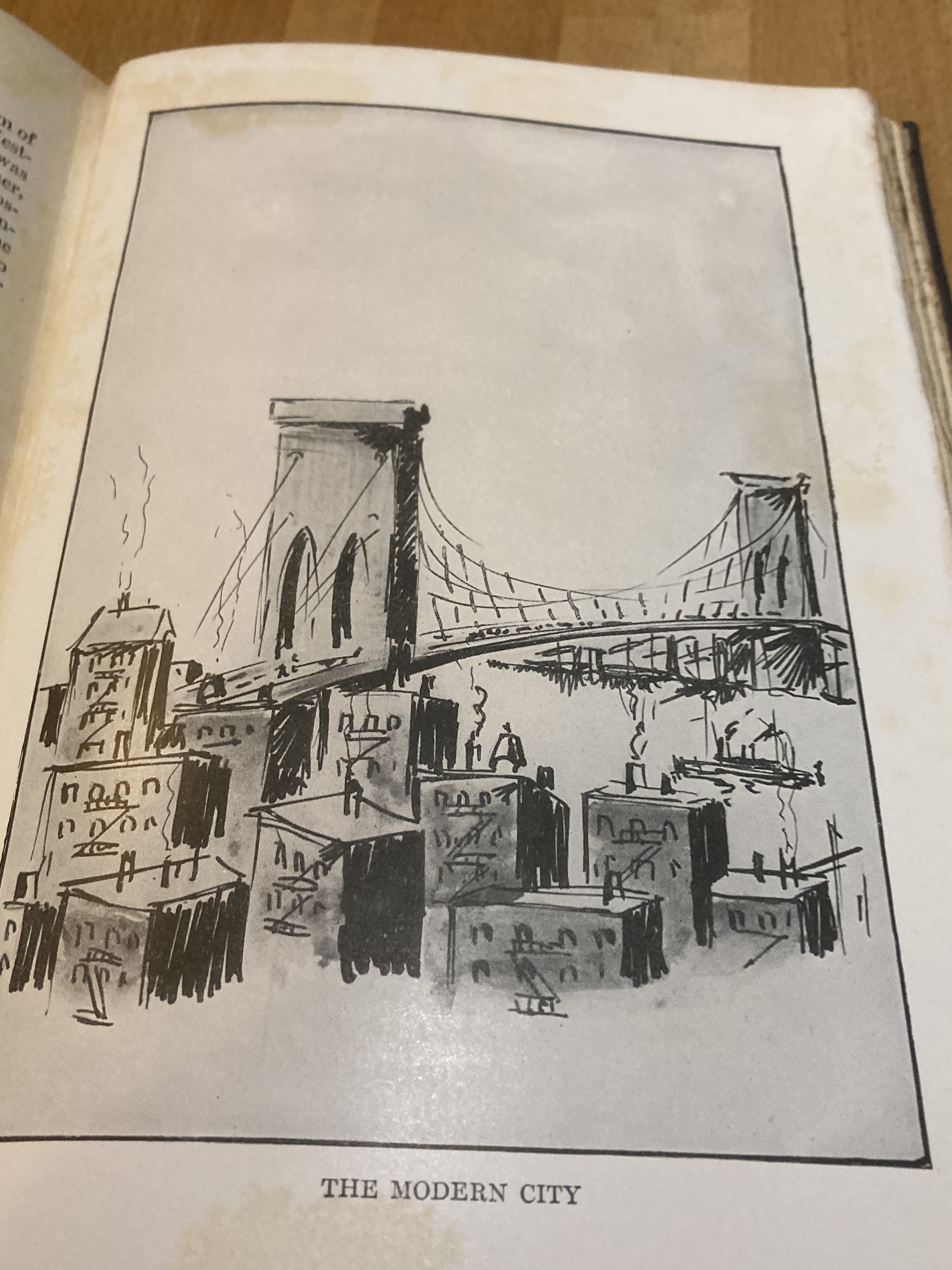
And he had a look of what for him was the modern world:

I can’t claim I will be finding all Hendrik’s books and settling down to a decade of reading, but one I would have been interested in finding donated to the shop one day:
A World Divided is a World Lost, 1935. Could have been written in any of the last few years….
And he knew what he was talking about:
‘After having revisited Germany many times in the 1920s, he was banned from the country when the Nazis came to power. In the summer of 1938, during an extended visit to Scandinavia, van Loon met with refugees who had recently fled Nazi Germany and who gave him first-hand accounts of the terror that they had experienced.
His book Our Battle, Being One Man’s Answer to “My Battle” by Adolf Hitler (1938) earned him the respect of Franklin D Roosevelt, in whose 1940 presidential campaign he worked, calling on Americans to fight totalitarianism.’
But then I found this review and my enthusiasm has been a bit dented:
‘I was delighted to find this little booklet. Mr. Van Loon is one of my favourites. I was so excited. I wondered how he was going to deal with the title subject in such a short space – four chapters.
Well, he didn’t really. In typical Hendrik fashion he set the subject up in a simple but clever way. It took three chapters. I thought I might be going to get a proposal for tidying up the partisan-ness that we see in American government, for enjoying it and for making it work without the resorting to personal rancor, the utter refusal to listen or the telling of blatant lies. Didn’t happen! Chapter four waltzed off on to a different subject completely. I felt that the work presented in this pamphlet might have been intended as the beginning of another Van Loon book. Now that could have been fun.
Still, it is vintage Van Loon language and syntax. I love it for that. And for his illustrations!’
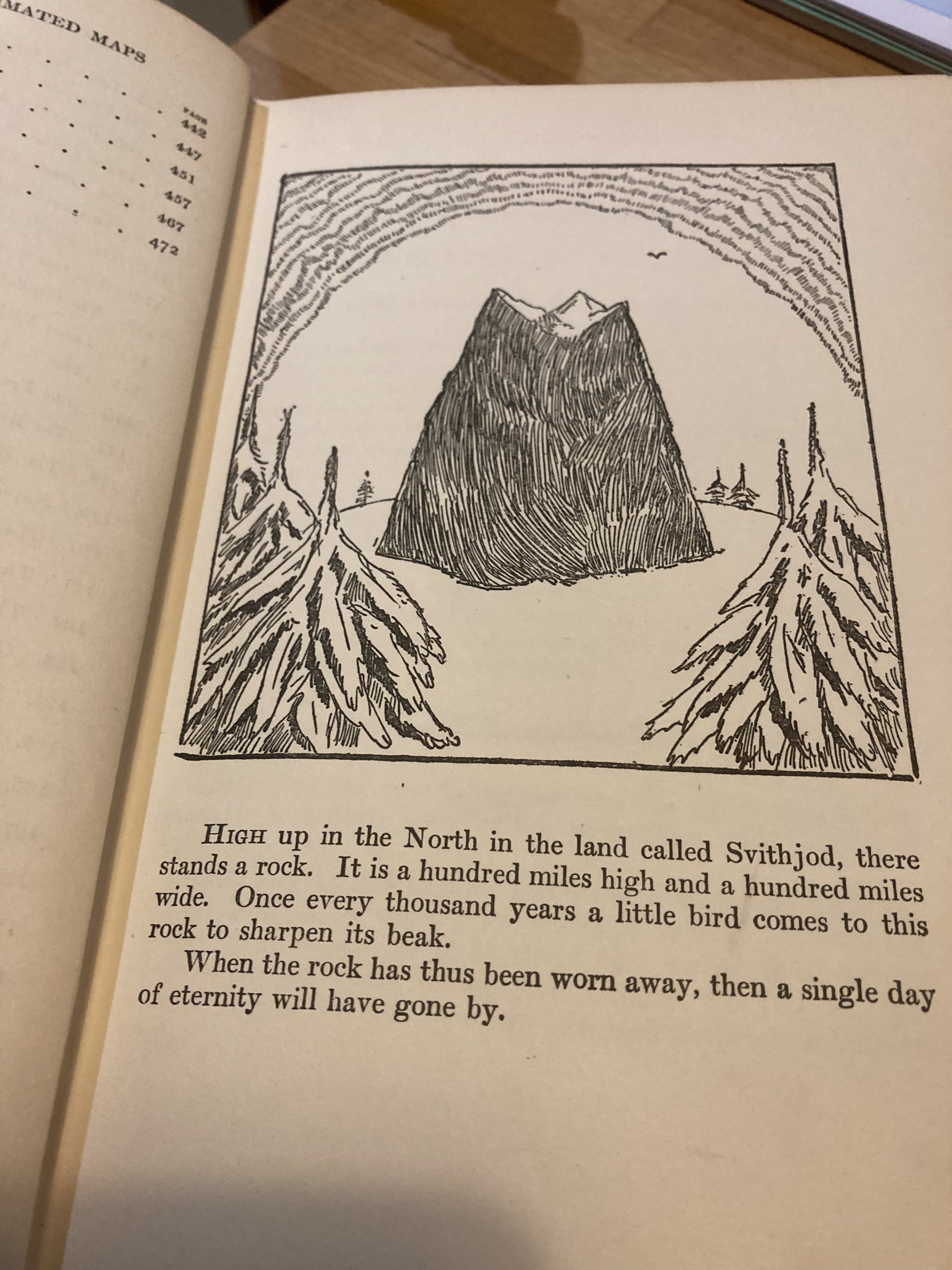
And this is a philosophical ending – thank you Hendrik, Bob and Mary.
 thereluctanthousewife