One Morning

As you may have gathered by now, I spend most of my time these days (though in my Oxfam ‘youth’ things were different) looking at what we call the Old and Interesting books donated to the shop.

And, as you may have gathered over the years, many of the books I look at might be old but not necessarily very interesting, but there are enough to make my Oxfam life fascinating (sometimes.)

And I’d really like to tell you about some of the more interesting. But some other time.

I could tell you of the work of many another volunteer – from those who sort, wash, iron and put online the clothes we have had donated ( yes, in despite of being a bookshop), those who then pack them up and send them off, the classical music expert already sorting out special stuff to keep back for Christmas ( yes that word is already being mentioned), the sorting out of Oxfam cards into their allotted slots in the spinner, and so much/many more.

But I don’t know what they do as well as I know what I do, so here is my Monday just as an example of what happens behind the scenes :

I arrived at 8am, wrote and distributed the weekly volunteer update – what we took last week in the shop, counting up the online sales of books, jewellery, music and the odd stuff – a pair of gold, fur-lined gloves ( in July?), the treen boot-jack with integrated boot tools which has been on sale for six months and has finally sold etc etc.

I left to do my pilates class – yes I am a Sussex housewife – and got back at about 10.15 by which time everyone had worked up their questions about what felt like a million things, queries about what to do, : 

What was happening with the table and the window, plans for the front-facer books (in case you have forgotten, these are books displayed so you can see their front covers and therefore and really, are more attractive and sell better), where to put the latest donations, and was this book especially interesting, could we have tea and coffee, and by the way did you buy some milk? etc etc.

And could I find a few very small jewellery donations which weren’t yet listed online to fill the miniature pirate cask in the window?

By the way, the window looked great thanks to someone who does a great job at making it so – with the help of the manager’s mother who has knitted rats for the pirates display….

But I needed to put not for sale stickers on the inflatable seagulls (yes seagulls and pirates of course) belonging to another volunteer and clear up some of the window display ‘leftovers’.

I found some jewellery.

Could I find some theme of books for the corner display and clear off the previous display –  in case you want to know – books about Japan and a few Japanese artefacts.

So, no I couldn’t think of anything on a theme so just brought down (from the semi-organised chaos upstairs) some lovely-looking, interesting books. 

(They sold really well and that means there were gaps, and our smart, great manager said she stood and looked at the gaps in the display the next day and tried to work out what the theme was……  today, we re-filled it with great books we had been wondering where to show them off.)

In the meantime, back in Monday, I had asked someone I knew to come in an PAT test ( proving the items are electrically safe) some model railway stuff which we have had buried behind the boxes of vinyl ( yes they have been there for, well, some months.)

(He needed coffee, space, a conversation, thanks and time to be acknowledged.)

So, I have no idea what these things are but apparently they are worth some £20 each. I also have no idea how to describe them but I will wait until next Monday when a volunteer who knows a bit about this stuff, tells me how to write them up for an Oxfam online listing.

Then two other volunteers came in and they had questions, something just to mention, tea requirements, change for the till because there were two ten pound notes – no good if someone buys a £2.49 book with (yet) another.

So, that was a trip to the bank.

And in between all that, there were donations.

Now, we have an amazing volunteer who cuts through donations like a knife through butter – everything sorted into those that need to go to ‘another’ place ( yes that is a euphemism) and those which will sell, are first editions, signed, unusual.

But there is a rule that says five minutes after he leaves, there is another arrival of donations – and they needed to be dealt with.

Suffice it to say, I was a bit tired at the end of my (extended) shift on Monday.

But in all that I found a book which has been a dandy of a research project and might be worth a good deal. 

More of that another time.
Escape

There is something about an interesting map donation to the Oxfam bookshop which seems to get all sorts of volunteers interested.

And recently we have had some more than usually volunteer-captivating ones.

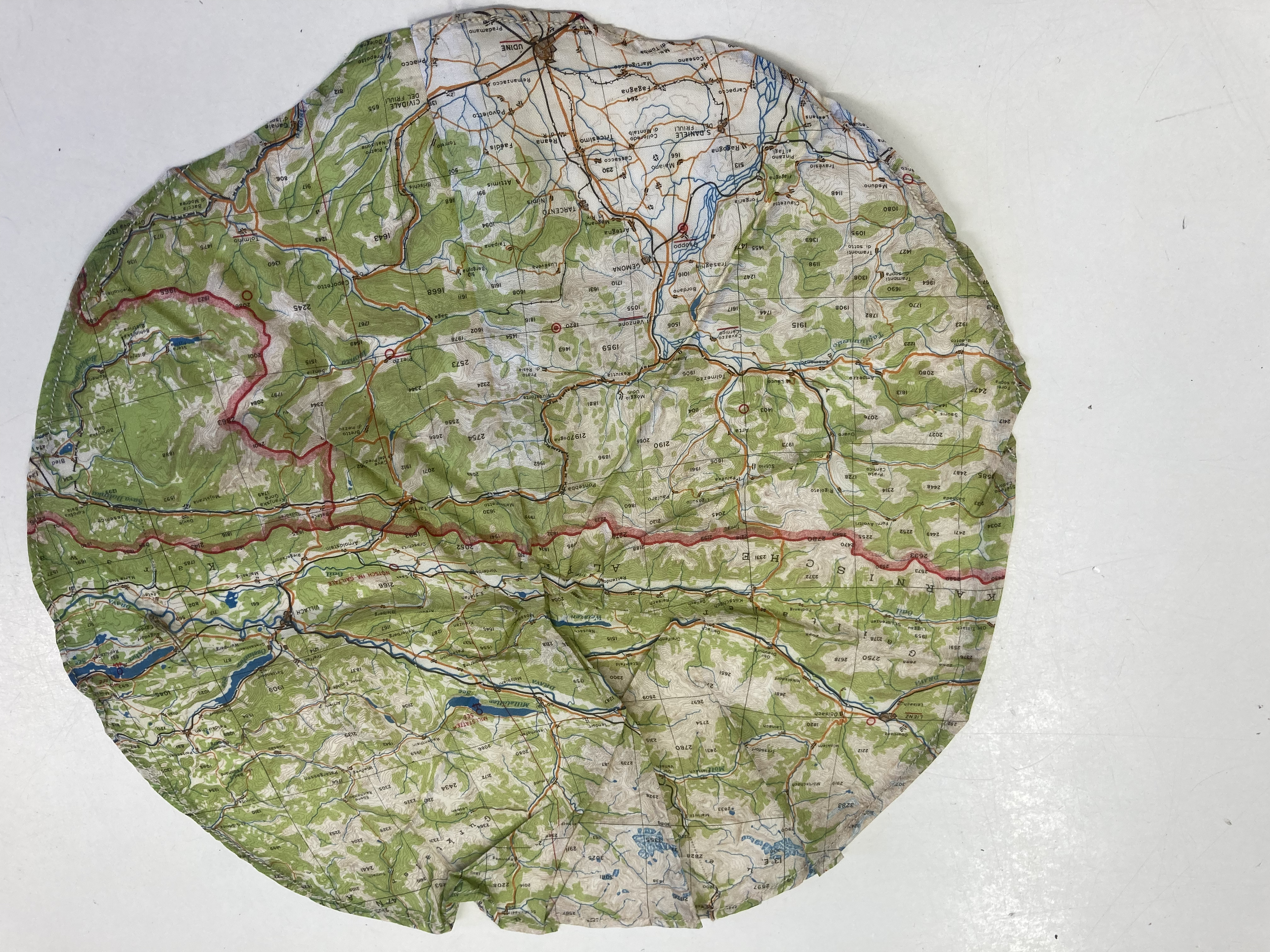
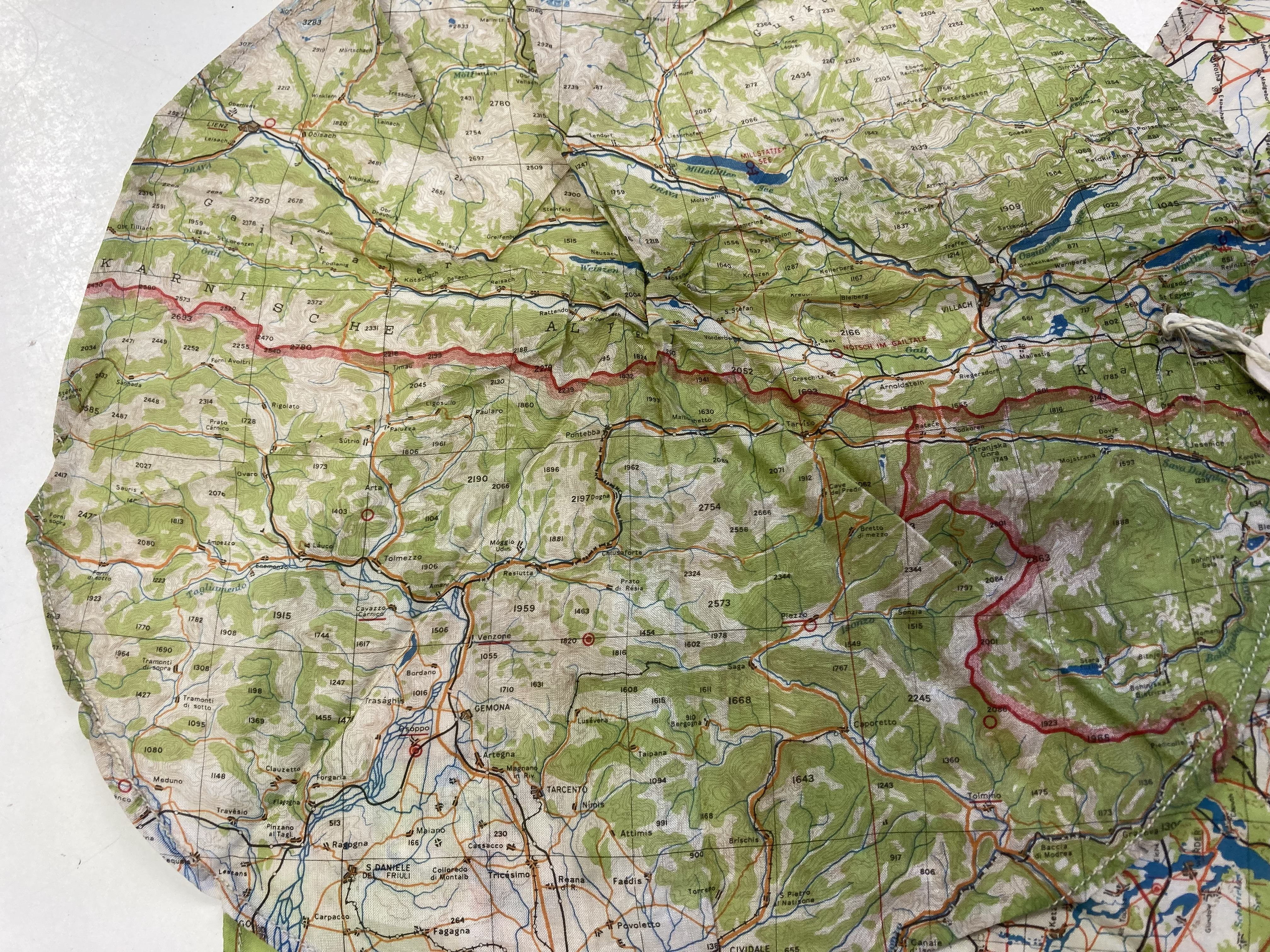
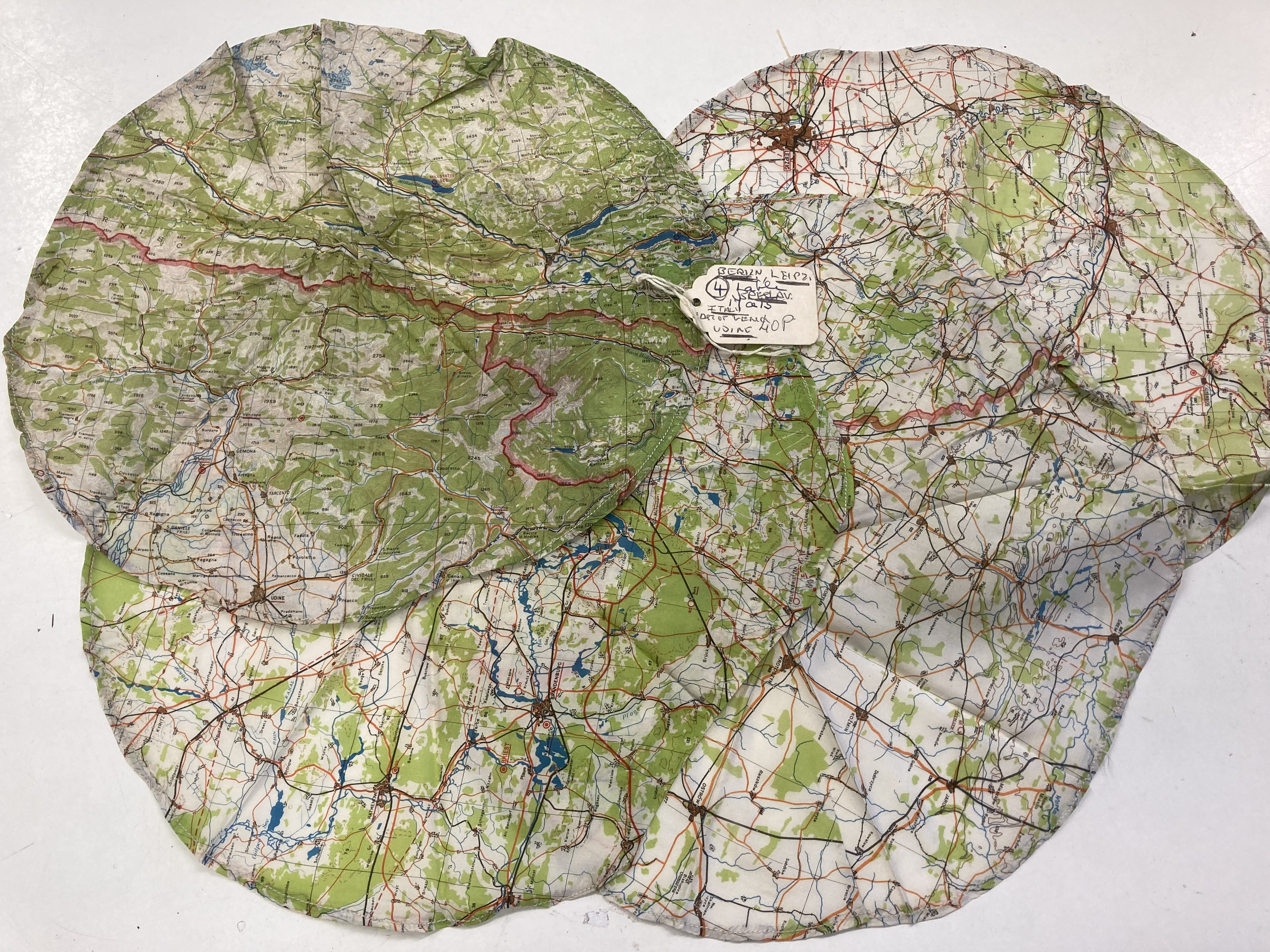
In an envelope in the back of the book, a colleague found these.

They are the remnants of escape maps.

One of them includes Berlin – so a brave person who went in there.

In case you don’t know, and we didn’t, maps were printed on parachute silk and/or rayon fabric and given to people making their way into ( and hopefully out of ) enemy territory in WW II.

(And if you will excuse me being rather clumsy, they are a nice escape from someone’s house clearance of less than riveting books. Of course, we love all the books donated but you know, now and then……)

Originally, they would have been larger and square and the fact that someone has cut them down to make, what? A small place mat? has rendered them a lot less valuable than they would have been.

The printing is amazingly clear and of course the fabric meant you could scrunch it up to nothing, hide it in your pocket, make into a hatband when in disguise, put into a slit in the lining of a jacket…. ( both true apparently.)

And there was none of that difficult, time-consuming folding and unfolding of a linen or paper map with which anyone whose been on a long walk in familiar territory, leave alone enemy territory, is all too familiar.

Courtesy, as ever, from Wikipedia:

During World War I Australians produced an escape map for use in July 1918 by prisoners in the German Holzminden POW Camp, sections of map were sewn into the clothing of prisoners who escaped via a tunnel to Allied territory.”

Some American intelligence offices visited the UK in 1942 to be briefed on the British efforts in escape and evasion techniques and equipment. 

The British MI9 gave the Americans a book or manual called “Per Ardua Libertas” to take back to the US. Published in this manual were examples of each cloth escape and tissue escape map that the British had produced. 

After this meeting with the British, the United States began to produce its own escape maps. Most of the American maps supplied by the Army Map Service from World War II were actually printed on rayonacetate materials, and not silk.

However, because of the silky texture of the materials, they were referred to by the more familiar textile name.

During WWII hundreds of thousands of maps were produced by the British on thin cloth and tissue paper. The idea was that a serviceman captured or shot down behind enemy lines should have a map to help him find his way to safety if he escaped or, better still, evade capture in the first place.

Many of these maps were also used in clandestine wartime activities.

Apparently,  35,000 servicemen and men and women on secret missions escaped safely during WW II and it is estimated half of them used some form of escape or evasion map to do it.

But it wasn’t just servicemen ( and maybe women on secret missions) who had these maps.

And they weren’t all made of silk or rayon:

The cloth maps were sometimes hidden in special editions of the Monopoly board game sets sent to the prisoners of war camps. The marked game sets also included foreign currency (French and German, for example), compasses and other items needed for escaping Allied prisoners of war.Escape maps were also printed on playing cards distributed to Prisoners of War which could be soaked and peeled apart revealing the escape map. Other maps were hidden inside spools of cotton thread in sewing kits. “Due to the inherent strength and extremely compact nature of the MI9mulberry leaf tissue maps, they could be wound into twine and then rolled into the core of cotton reels.

I have disappeared down a bit of an WW II escape rabbit hole so do feel free to leave if you don’t need to know anymore. 

But before you go, we will put our unfortunately-mangled maps for sale online and I will wonder whose were they? What was the story of if and how they were used, why were they cut down….

For anyone still with me, I was wondering what MI9 was.

It was:

MI9, the BritishDirectorate of Military Intelligence Section 9, was a highly secret department of the War Office between 1939 and 1945. 

During World War II it had two principal tasks: (1) assisting in the escape of Alliedprisoners of war (POWs) held by the Axis countries, especially Nazi Germany; and (2) helping Allied military personnel, especially downed airmen, evade capture after they were shot down or trapped behind enemy lines in Axis-occupied countries.

During World War II, about 35,000 Allied military personnel, many helped by MI9, escaped POW camps or evaded capture and made their way to Allied or neutral countries after being trapped behind enemy lines.

The best-known activity of MI9 was creating and supporting escape and evasion lines, especially in France and Belgium, which helped 5,000 downed British, American and other Allied airmen evade capture and return to duty. 

The usual routes of escape from occupied Europe were either south to Switzerland or to southern France and then over the Pyrenees to neutral Spain and Portugal.

MI9 trained Allied soldiers and airmen in tactics for evading and escaping and helped prisoners of war to escape by establishing clandestine communications and providing escape devices to them.

The person credited with creating the various ways to make, give and send escape and evasion maps was Christopher Hutton:

a British soldier, airman, journalist and inventor, best known for his work with MI9

And, just so you know, MI9 no longer exists but whilst it did, it had a section:

“Q,” staffed by Christopher Hutton and Charles Fraser-Smith, was charged with inventing devices to aid soldiers to evade or escape capture. “Q” was made famous in fiction by the James Bond movies.

Niche Ships

Another bit on niche books – attractive to my only Vice Admiral (and Sir) reader, I would guess.

So, if you are not into ships/boats/history/niche books, now is the time to walk away.

And after this, I maybe off to a blog on pickles – I bet you can hardly wait.

Right, now we are off to the Falklands.(Or Malvinas if you prefer.)

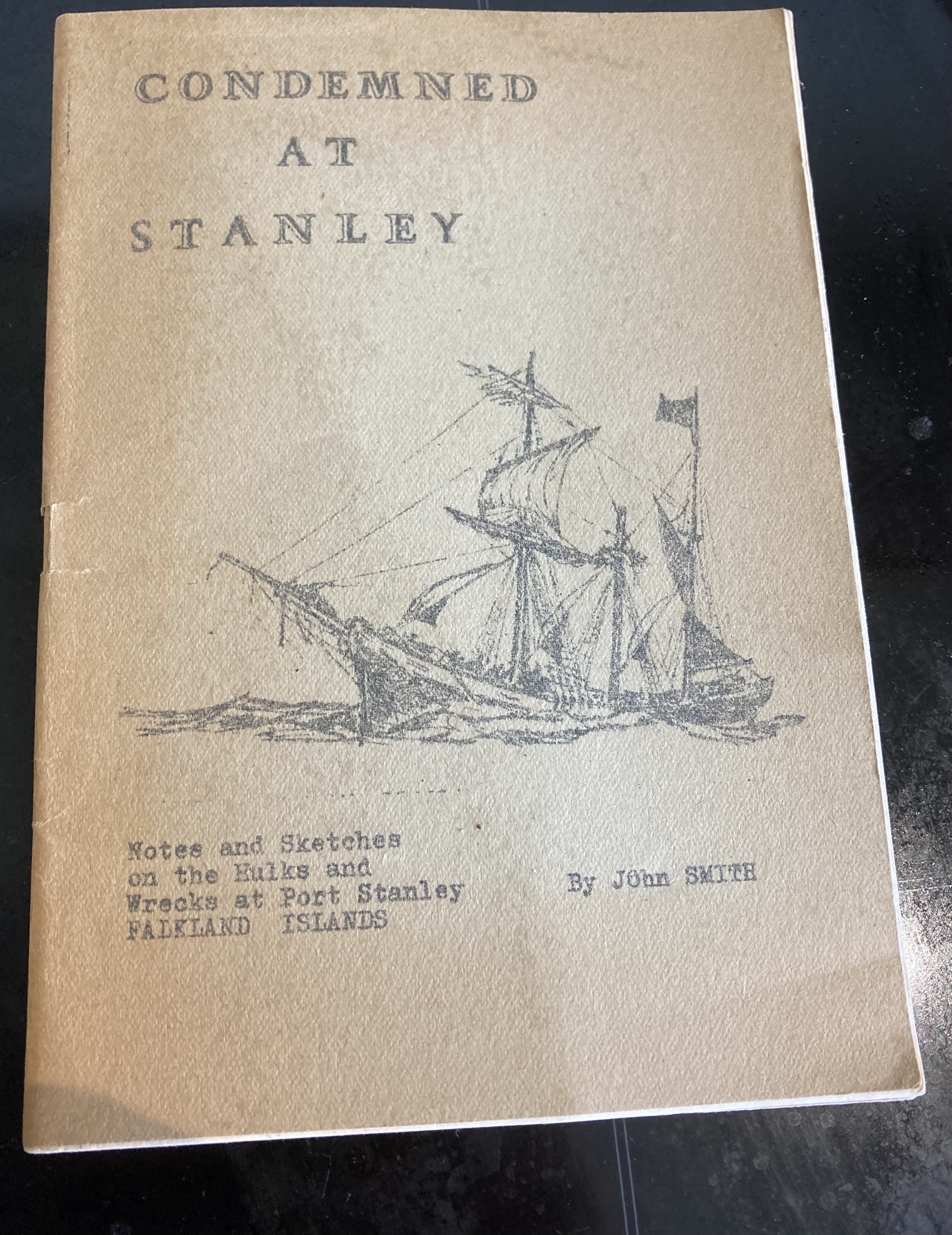
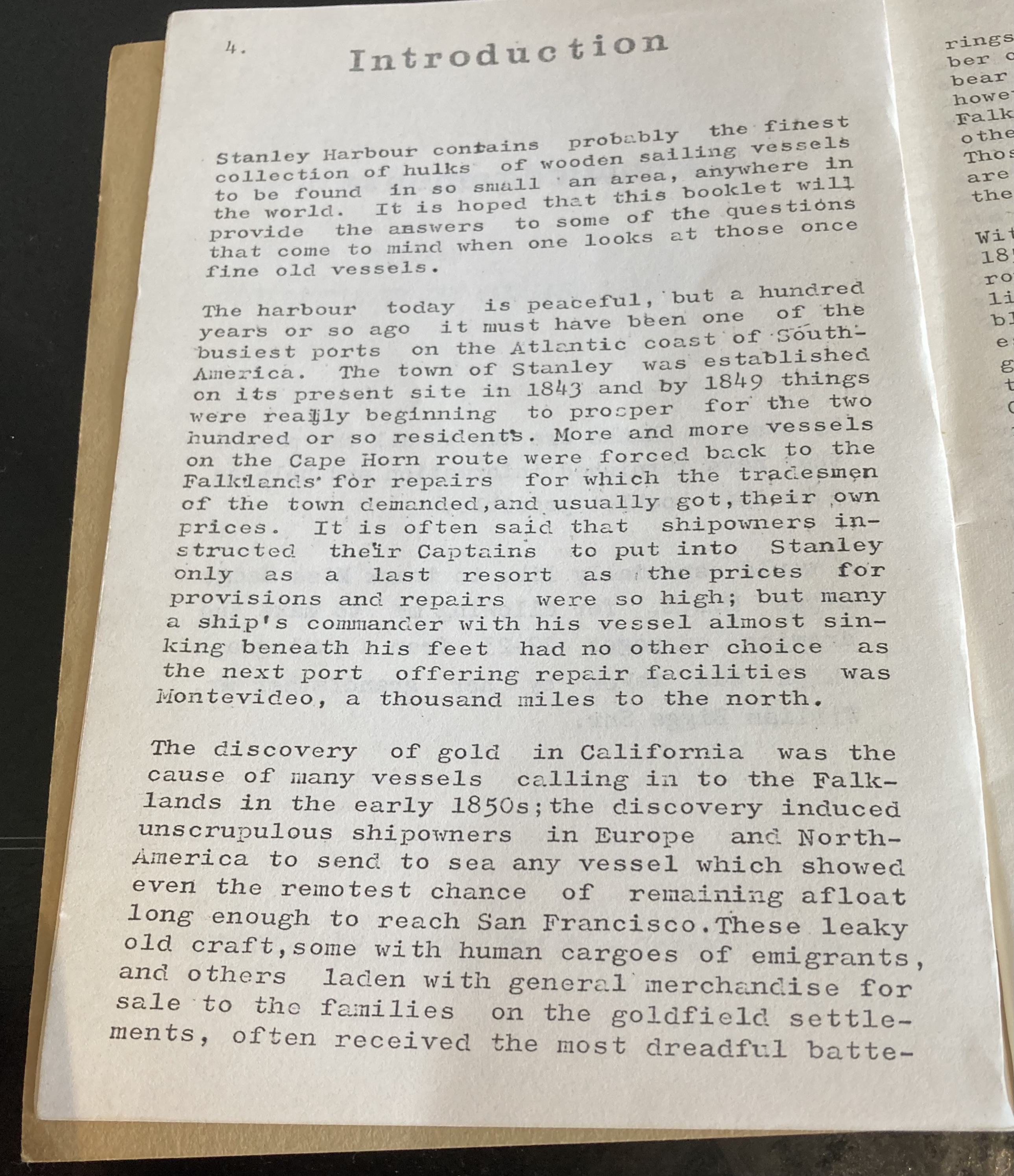
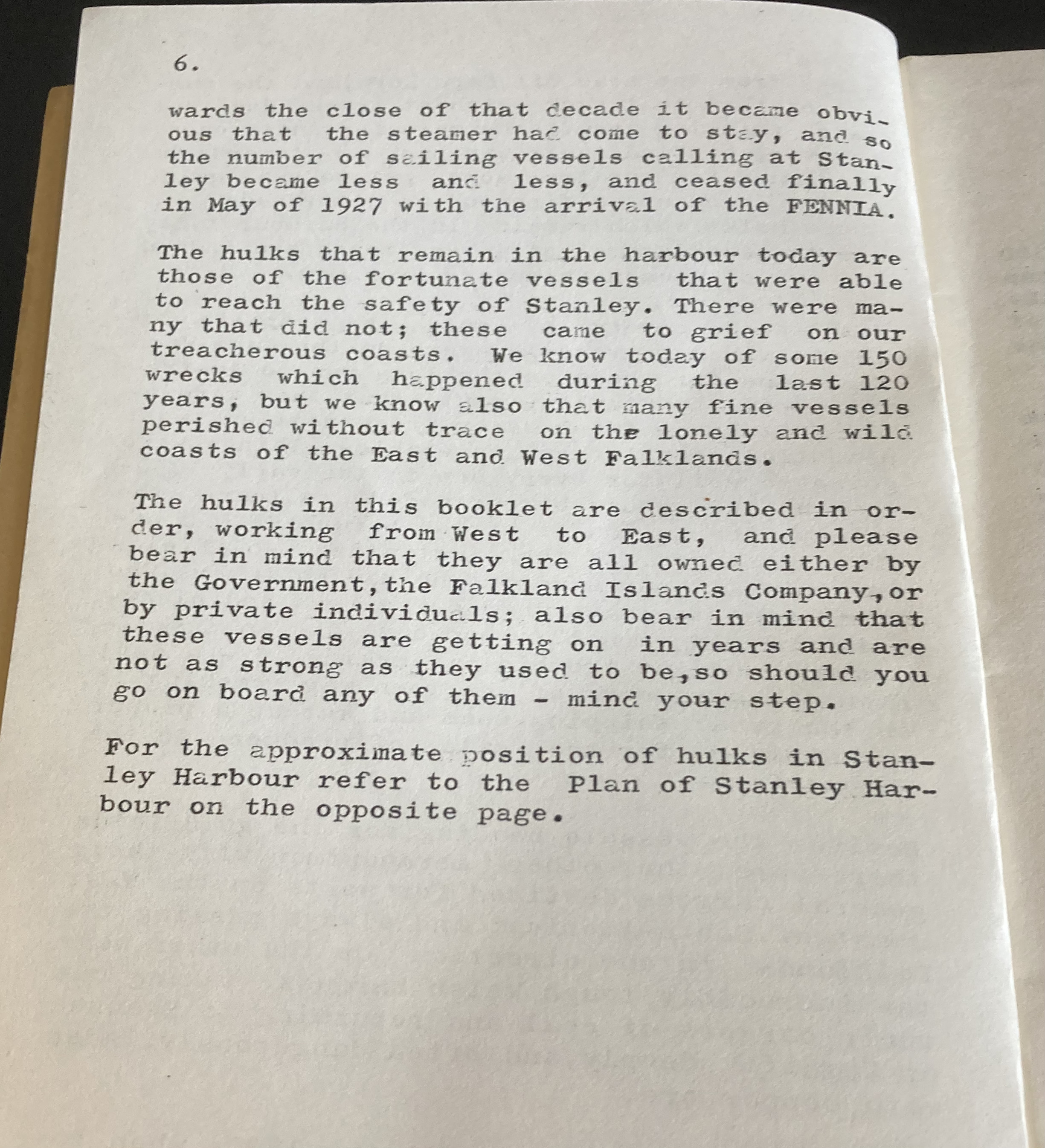
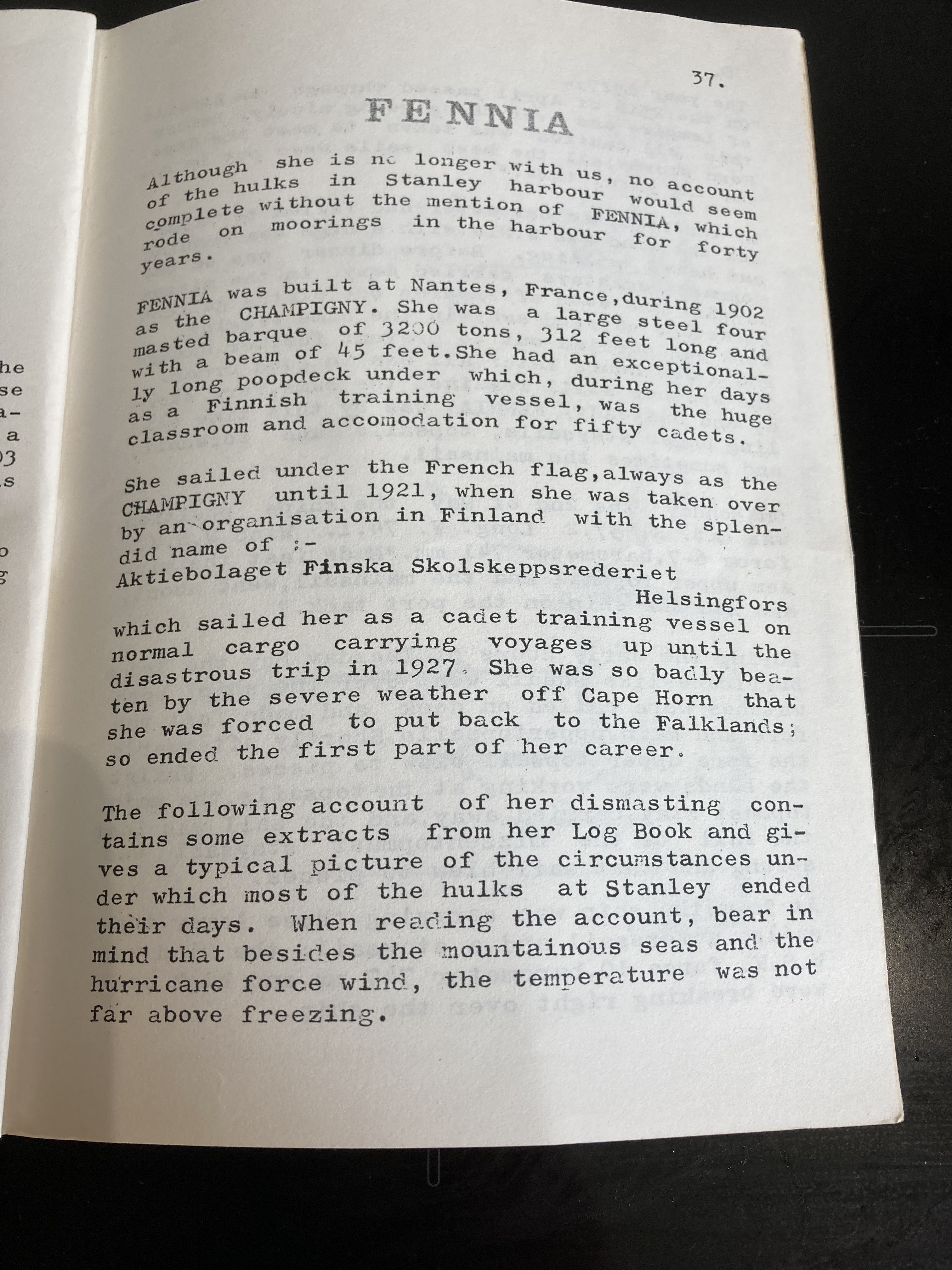
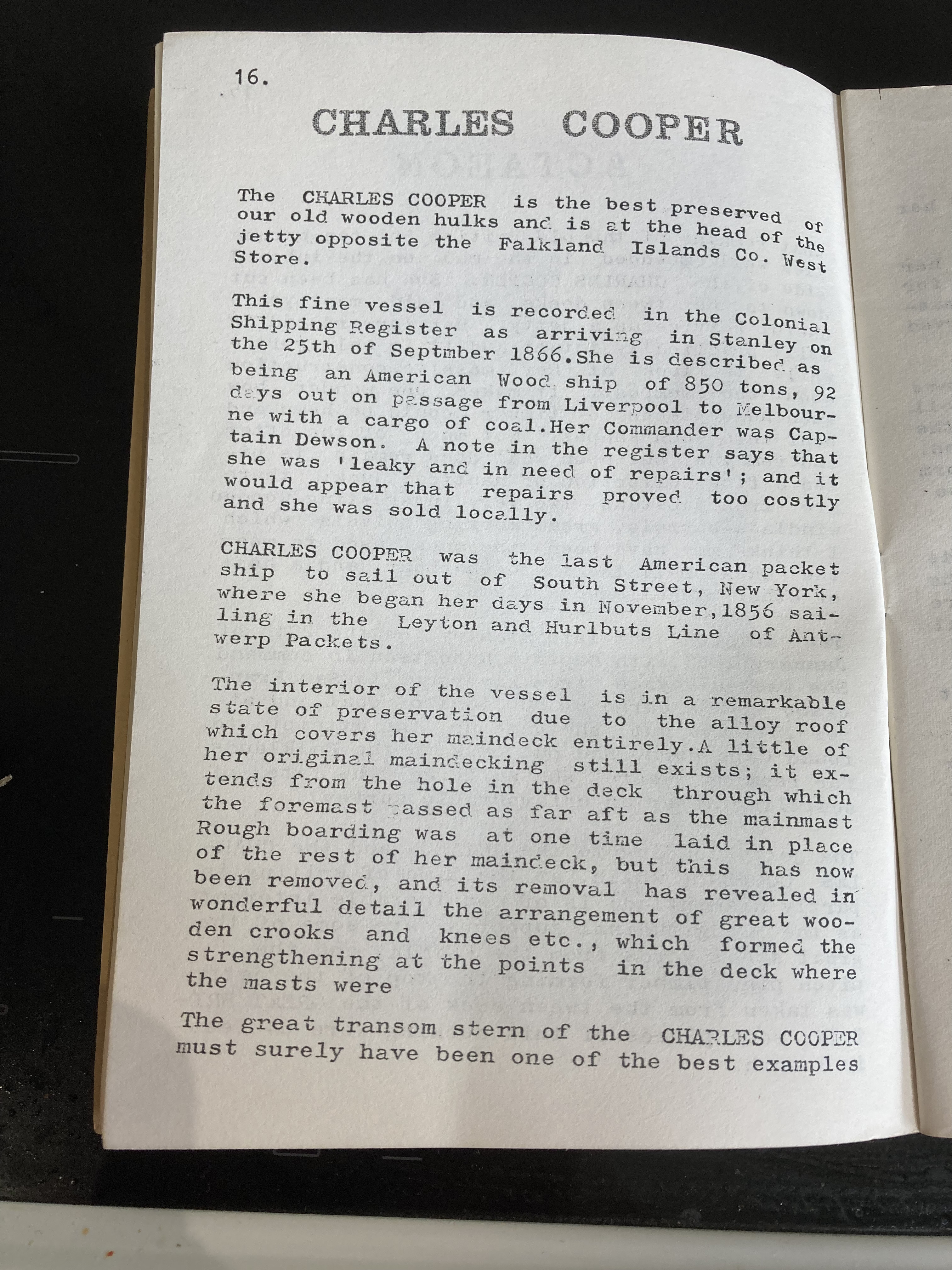
(Before we get onto the content, for those of us who remember bashing away on a typewriter, this little pamphlet was a trip down memory lane – obviously typeset from a typewritten ‘manuscript’ with added sketches – done by the author.

I do like a real, original typewriter typeface.

And presumably he did not print so many that he couldn’t bear the thought of changing the odd mistake by hand – see subsequent photos.)

I am guessing the author was the same John Smith who wrote a memoir called : 74 Days: An Islander’s Diary of the Falklands Occupation. ( No, that has not been donated.)

We have had got two of these pamphlets and one is signed and other has an interesting dedication but more on that later.

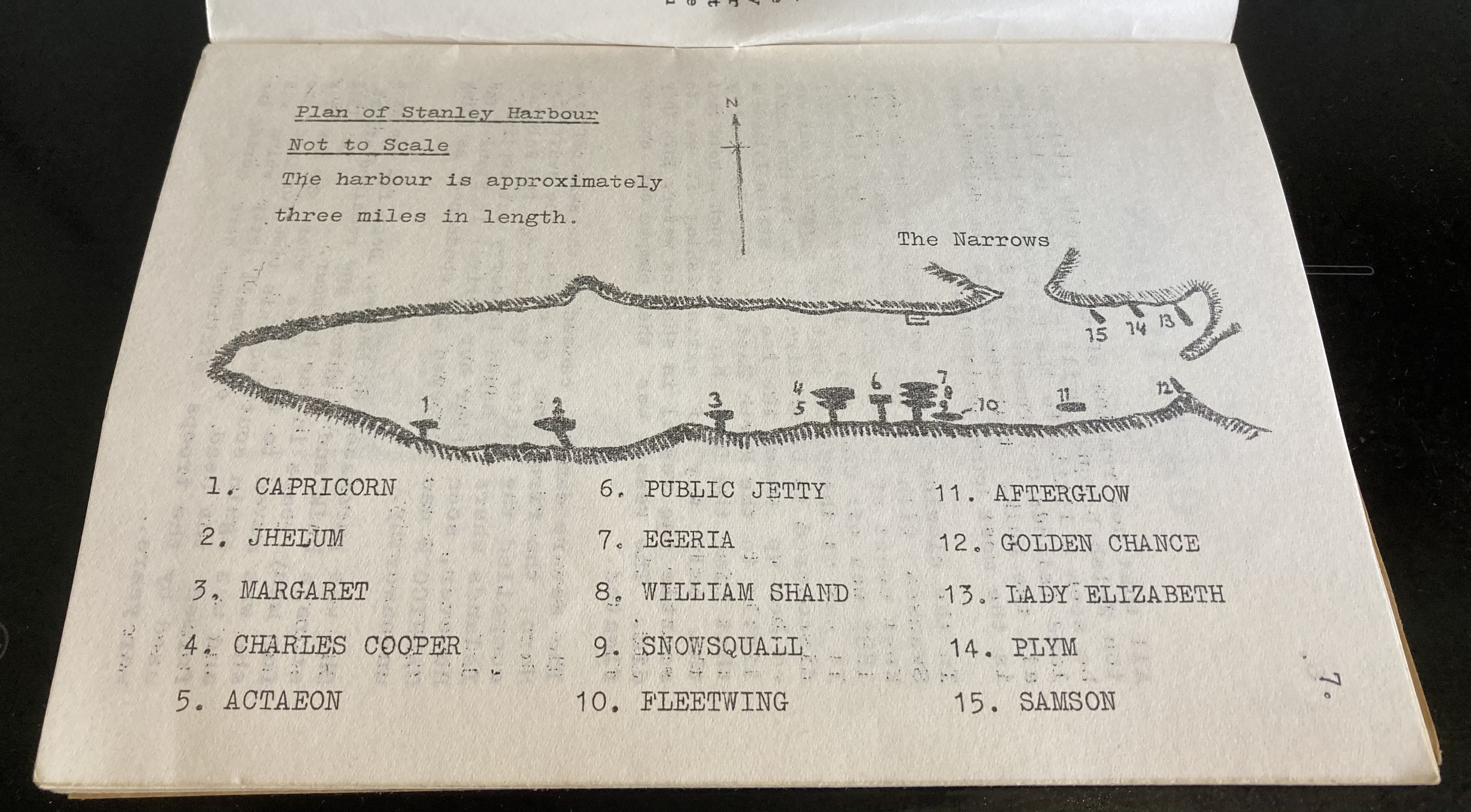
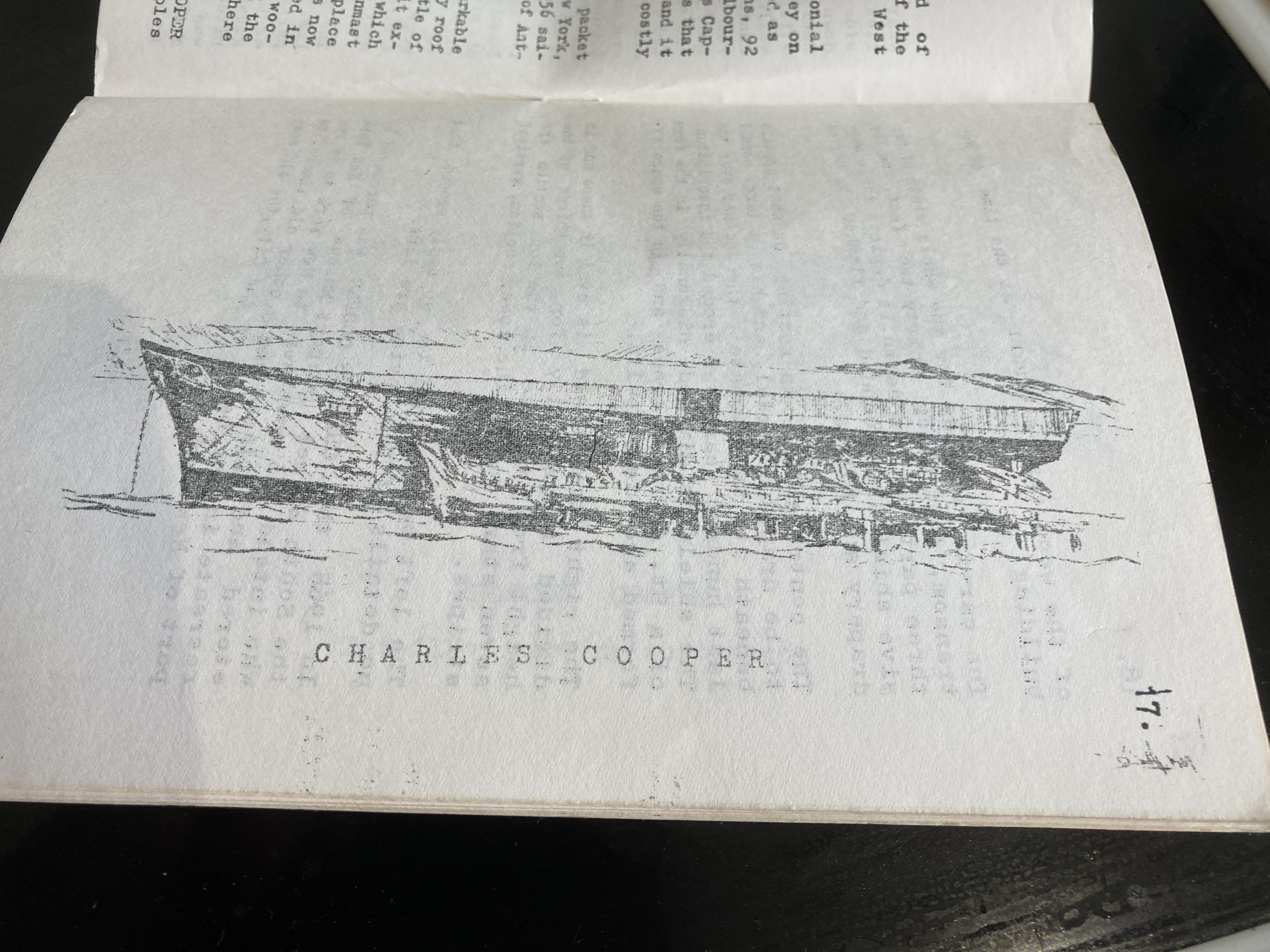
So, there are notes and sketches on 14 wrecks in the Falklands harbour – from Capricorn to Fennia.

And indeed the 3-mile long harbour does seem to have an abundance of wrecks.

There is a bit of history – and I have to say, well-written interesting stuff which is not inevitably the case with self-published/locally-published books…..

Back to the ships:

Here they are:

Apparently, it is indeed in the museum and …….

The Charles Cooper was built in Black Rock, Connecticut in 1856 and is the only surviving American ship of its kind in the world. It is the best surviving wooden square-rigged American merchant ship.  Built for New York’s South Street packet trade, the vessel voyaged around the world during the golden age of sail, and when it could sail no longer, became a floating warehouse for nearly a hundred years on an island off South America. The ship sailed for a decade from 1856 to 1866. It carried cotton to England, salt to India, gunpowder ingredients to the North during the Civil War, and brought European immigrants seeking economic opportunity and freedom in America. The Charles Cooper began with regular fixed schedules between New York and Antwerp. Then, with the outbreak of the Civil War, it no longer had set published departure times and instead voyaged based on spot demands from America to Europe and Asia.

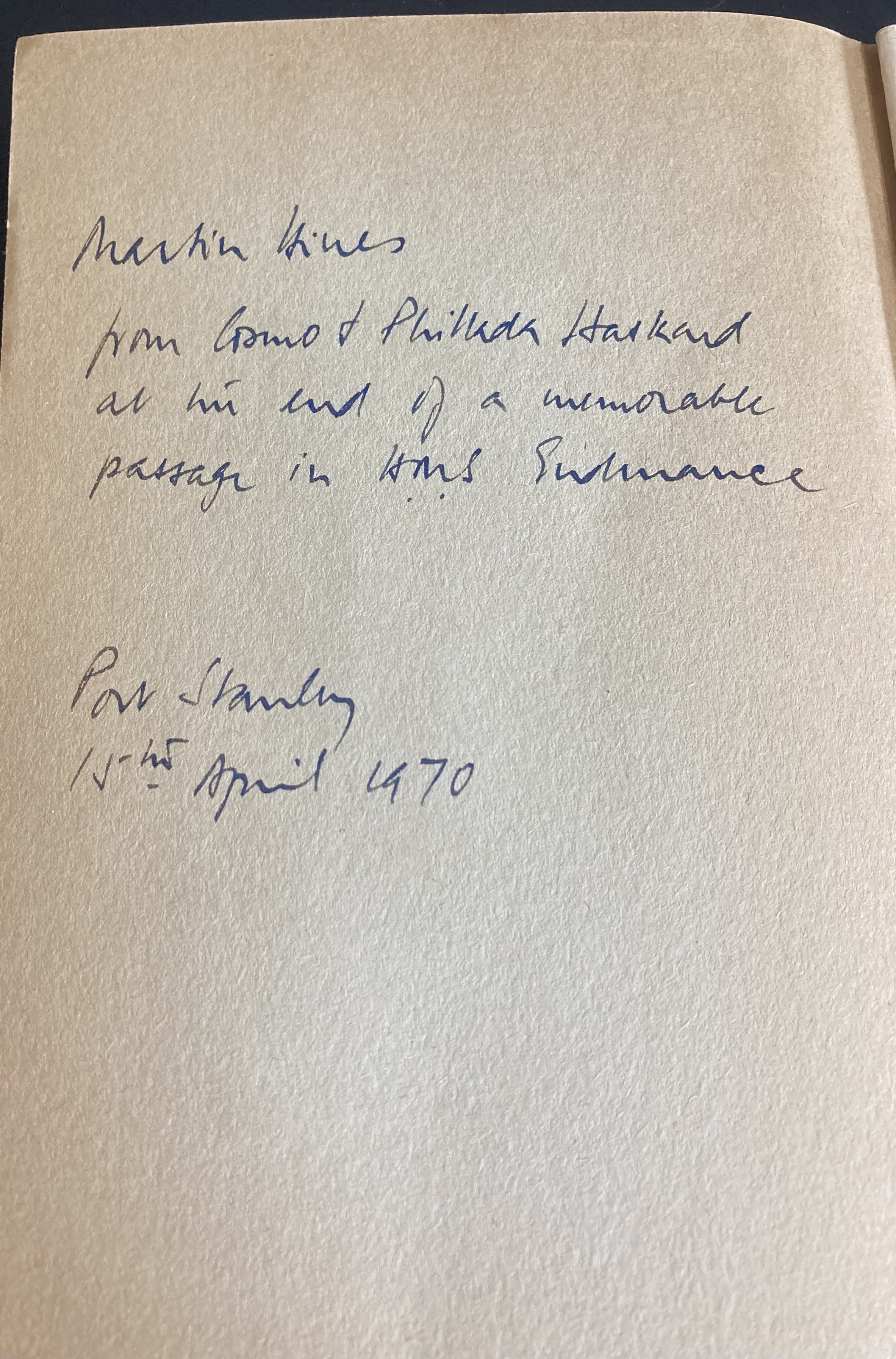
So, finally to the inscription:

So, it turns out that this pamphlet was given to Martin Kine by Cosmo and Phillida Haskand. Haskard was the Governor General of the Falklands (1964-1970) and who ‘played a key role in defeating plans by Harold Wilson‘s Labour government to cede the sovereignty of the islands to Argentina. ‘

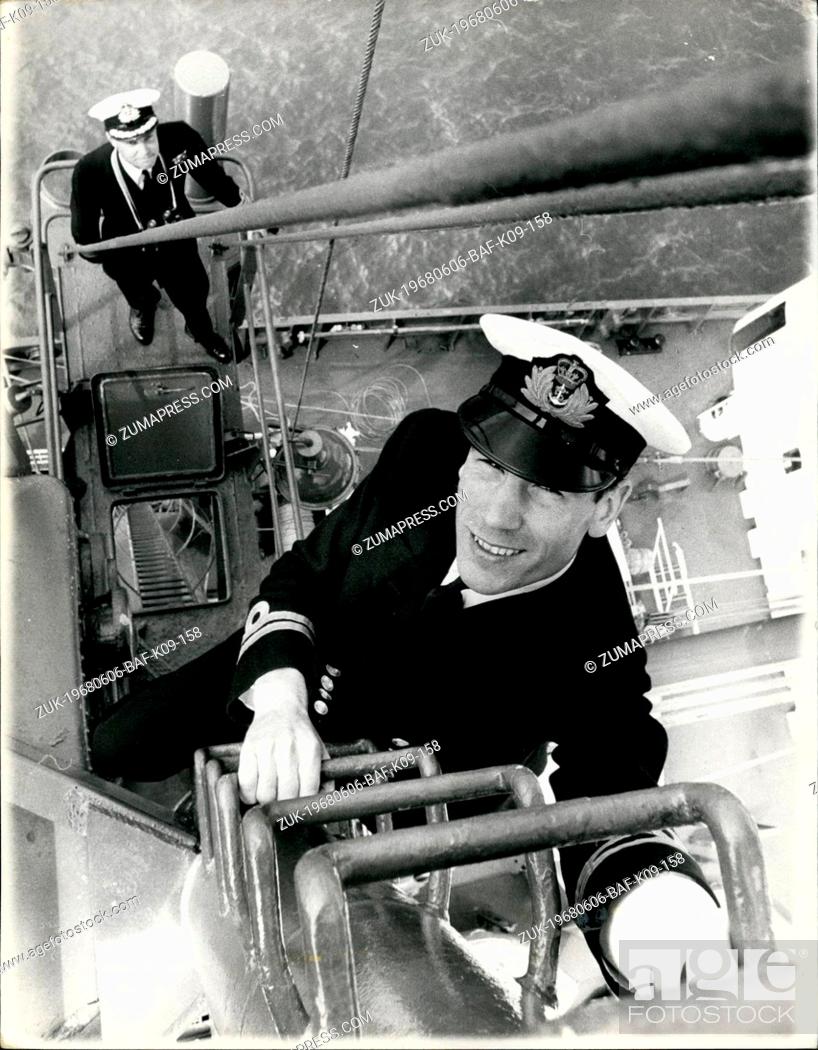
Martin was the HMS Endurance navigator, and dashing he looks too.

Jun. 06, 1968 – Press visit to H.M.S. Endurance: There was a Press visit to HMS Endurance, the Royal Navy’s new ice patrol ship, at Portsmouth Dockyard today. H.M.S. Endurance is expected to sail for the Antarctic later in the year. She will normally be deployed in the Antarctic, returning each year to the United Kingdom for maintenance and leave. In addition to providing a British naval presence in the area, she will assist the British Antarctic Survey in carrying out its scientific research programmes, and help support the permanent British stations there. HMS Endurance was recently converted for her new role at Harland and Wolff’s yard. Previously known as the Anita Dan. Her conversion has included the installation of special scientific and hydrographic equipment for her work in the Antarctic. One of the features of the ship is that it can be controlled from the crow’s next so as to give her officers view of channels through the ice.Photo shows the Navigating Officer, Lt. Martin Hines (nearest camera) and the Commanding officer, Captain Peter Buchanan seen making their way up to the crow’s nest from where the ship can be controlled. (Credit Image: © Keystone Press Agency/Keystone USA via ZUMAPRESS.com)   

Of course, of course, this was not the original HMS Endurance but a later version – originally a German ship bought by the British navy and used as an ice-breaker among other things.

But she had her place in history – she was the ship on which ‘the final surrender of the war, in the South Sandwich Islands, took place.’

Apparently she was known by her sailors as HMS Encumbrance towards the end of her life ‘due to unreliability problems.’

I have no idea why the Haskards had ‘such a memorable passage ‘ on her but it has been a memorable little find in Oxfam.

Very Niche Books

I think I may have said before the if you wait long enough there a book on every subject under the sun will come into our Oxfam bookshop – and today we had a bit of a niche-book bonanza.

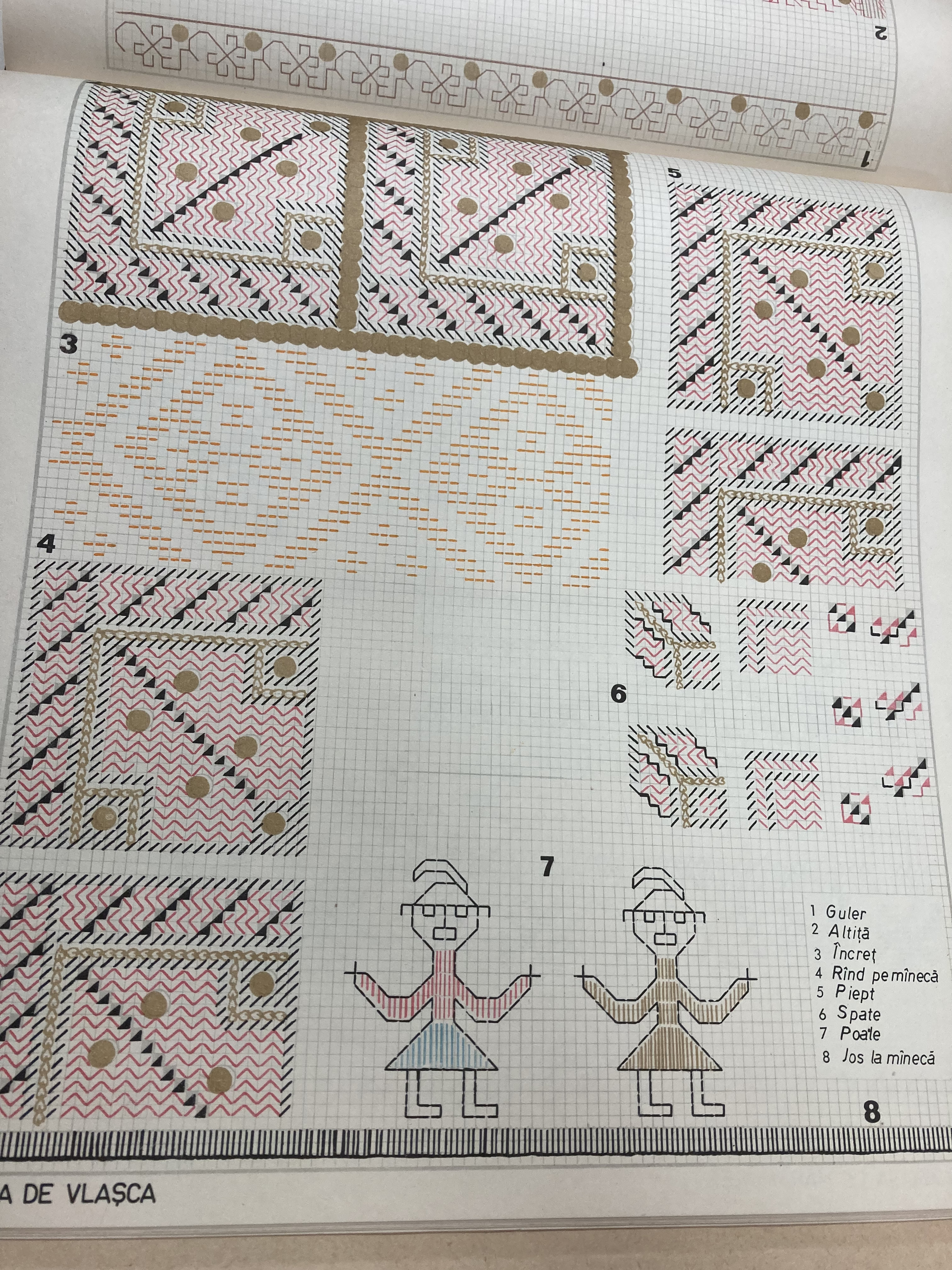
So, in case you are not clear, this is a book on the embroidery of traditional Romanian costumes, with patterns and with a Romanian text – not something we get every day in our Petersfield bookshop. (Apparently worth £50 and should you be interested, it is for sale on Oxfam online.)

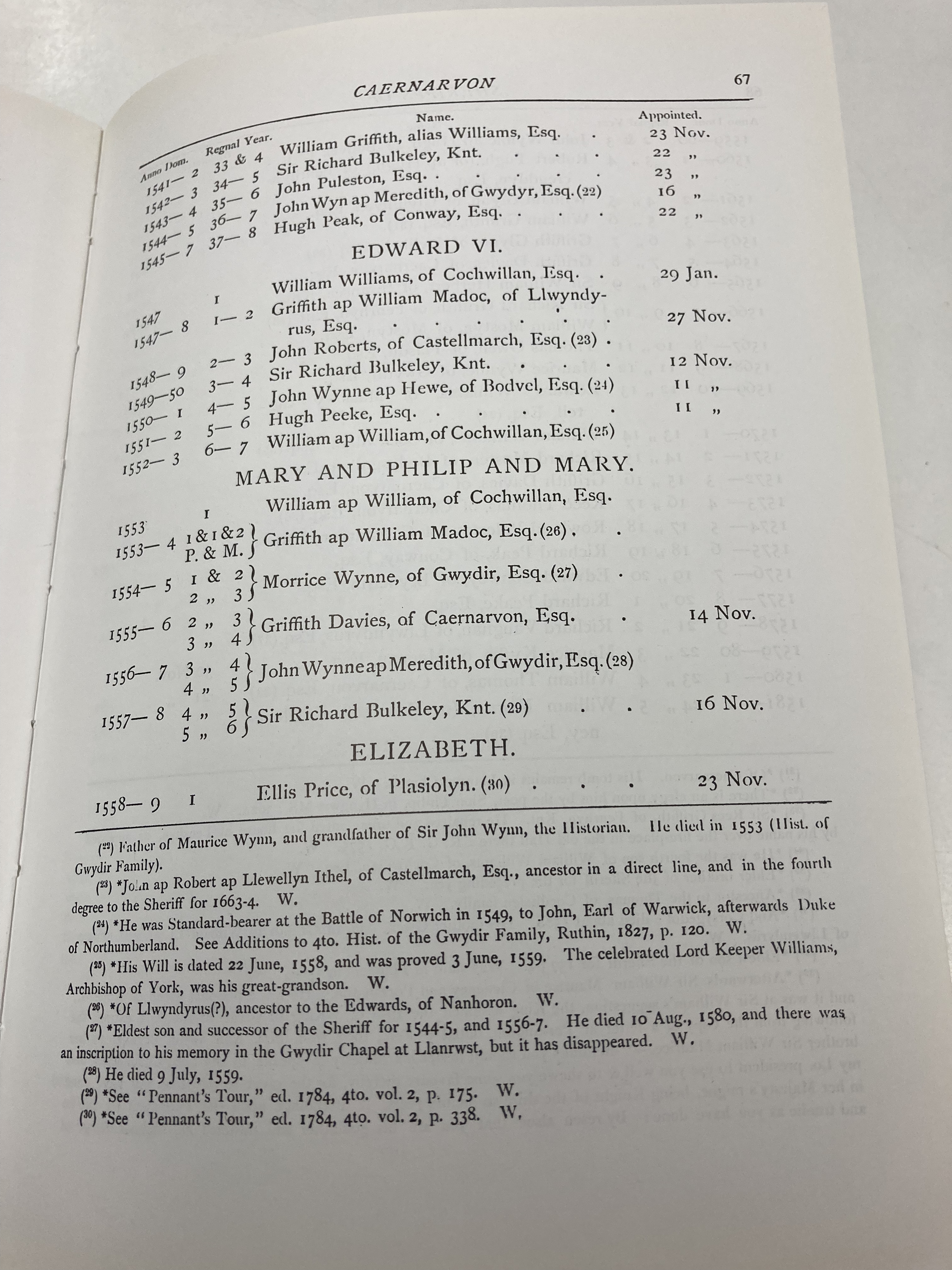
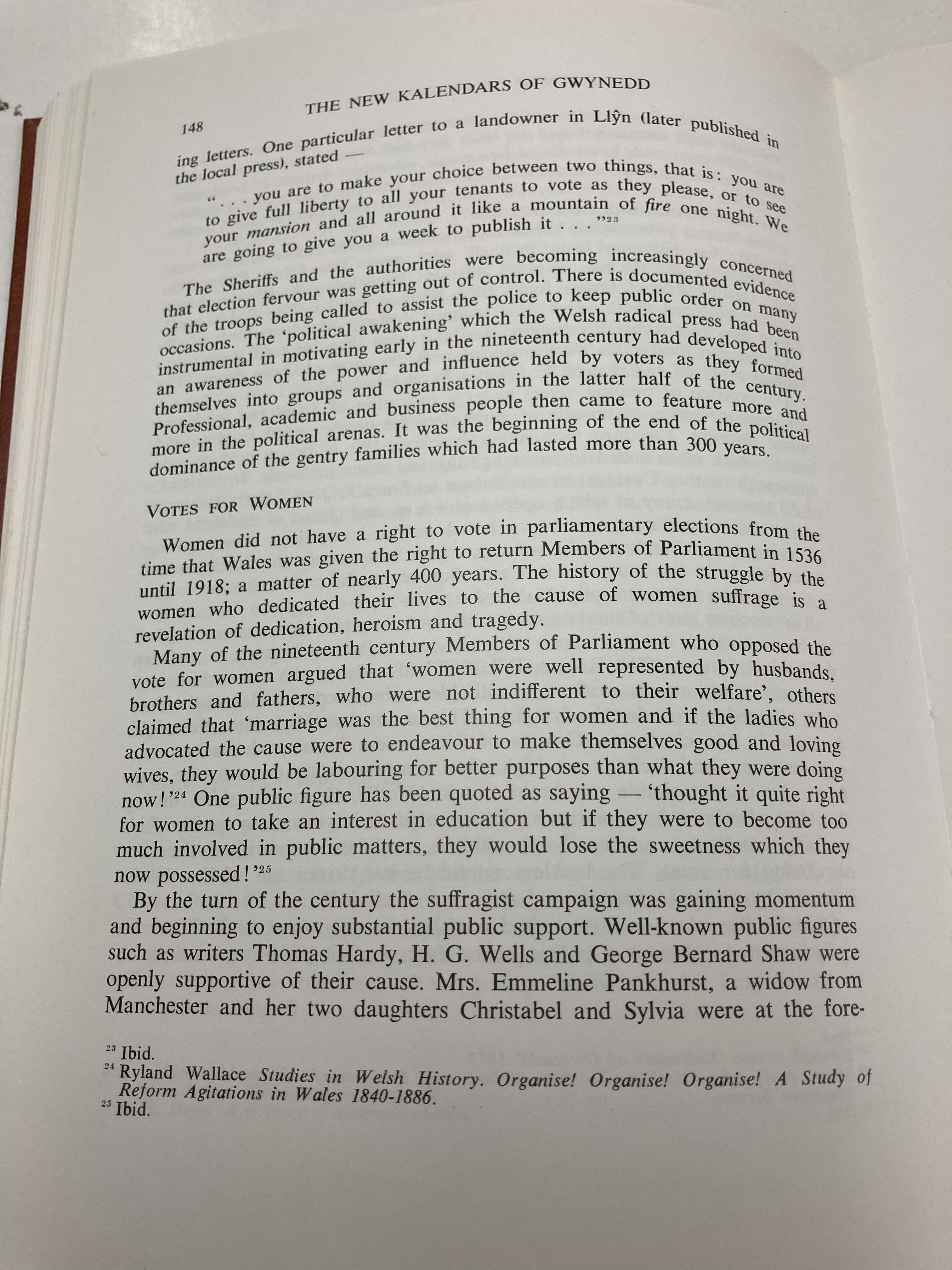
This, is a record of the High Sheriffs of Gwynedd from, as it promises, from 1284 to 1993.

Not what I expected from the title – Kalendars? No I don’t know why a Kalendar is a list of High Sheriffs.

But as far as I can work out, it means a list – and in Danish it is a calendar.

Ok I should do more research but I won’t – any research welcome on a (virtual) postcard.

According to a letter inside the book the author said it was out of print pretty quickly.

But he kept ‘ a few copies’ and he gave this one to a Major Corbett, a High Sheriff in the 1990s and donator was indeed another High Sheriff 1989-1990.

No idea how, or why, it ended up with us.

There is quite a lot ( not that I have read it all) of political history as well as the list of the HS.

And finally ……

I rest my case.

Juggling Chairs

If you are a hobby upholsterer, you have a house with absolutely no shortage of chairs. And, at the moment we have what could charitably be called a glut. 

One came useful when we had to create an Oxfam window display for Charle’s coronation, of course we did.

Those who know me well, will instantly realise this was not a display I had been planning for months, looking forward to eagerly, putting even a bit of my heart and soul into, but there you go, it has to be done.

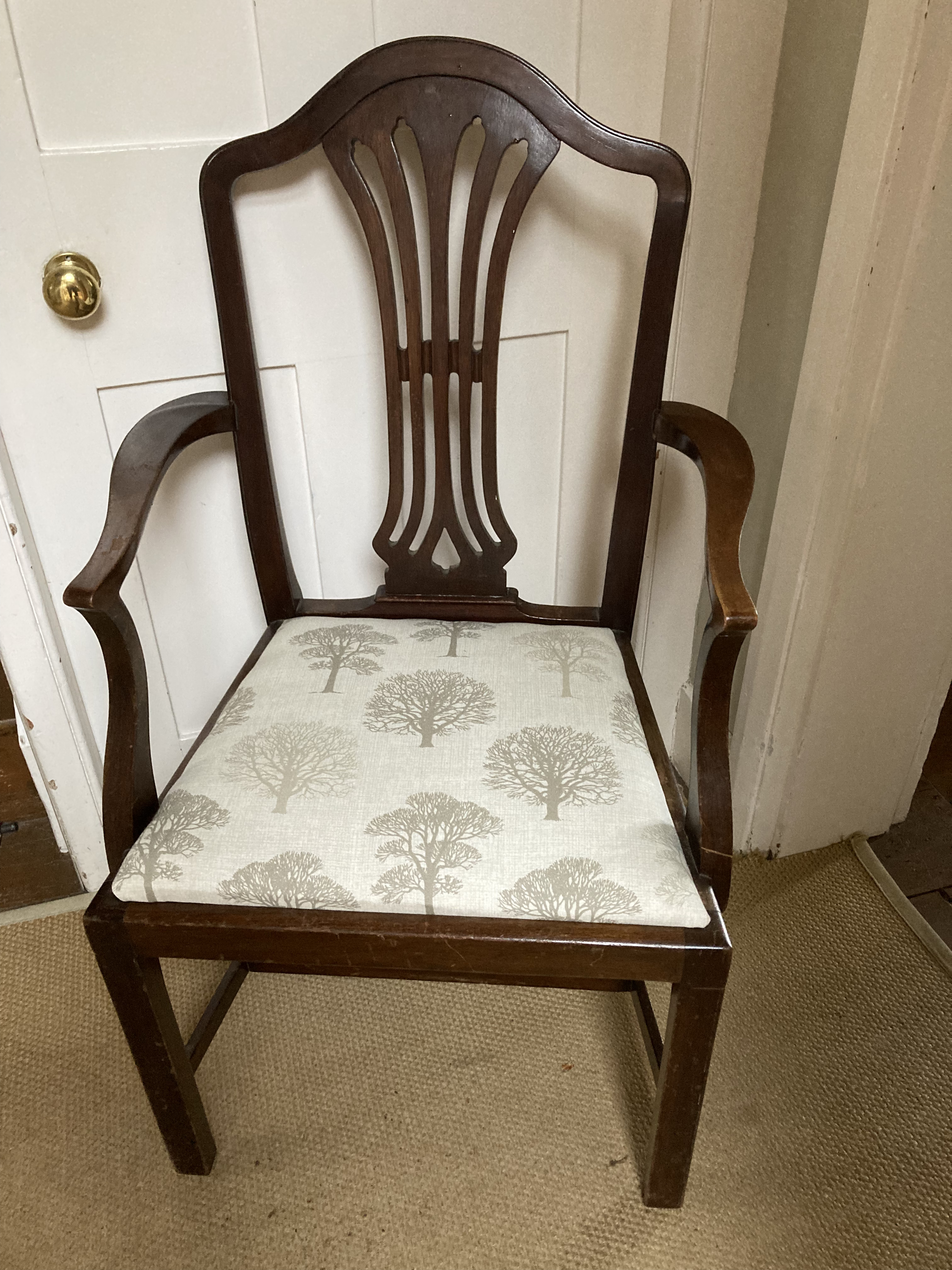
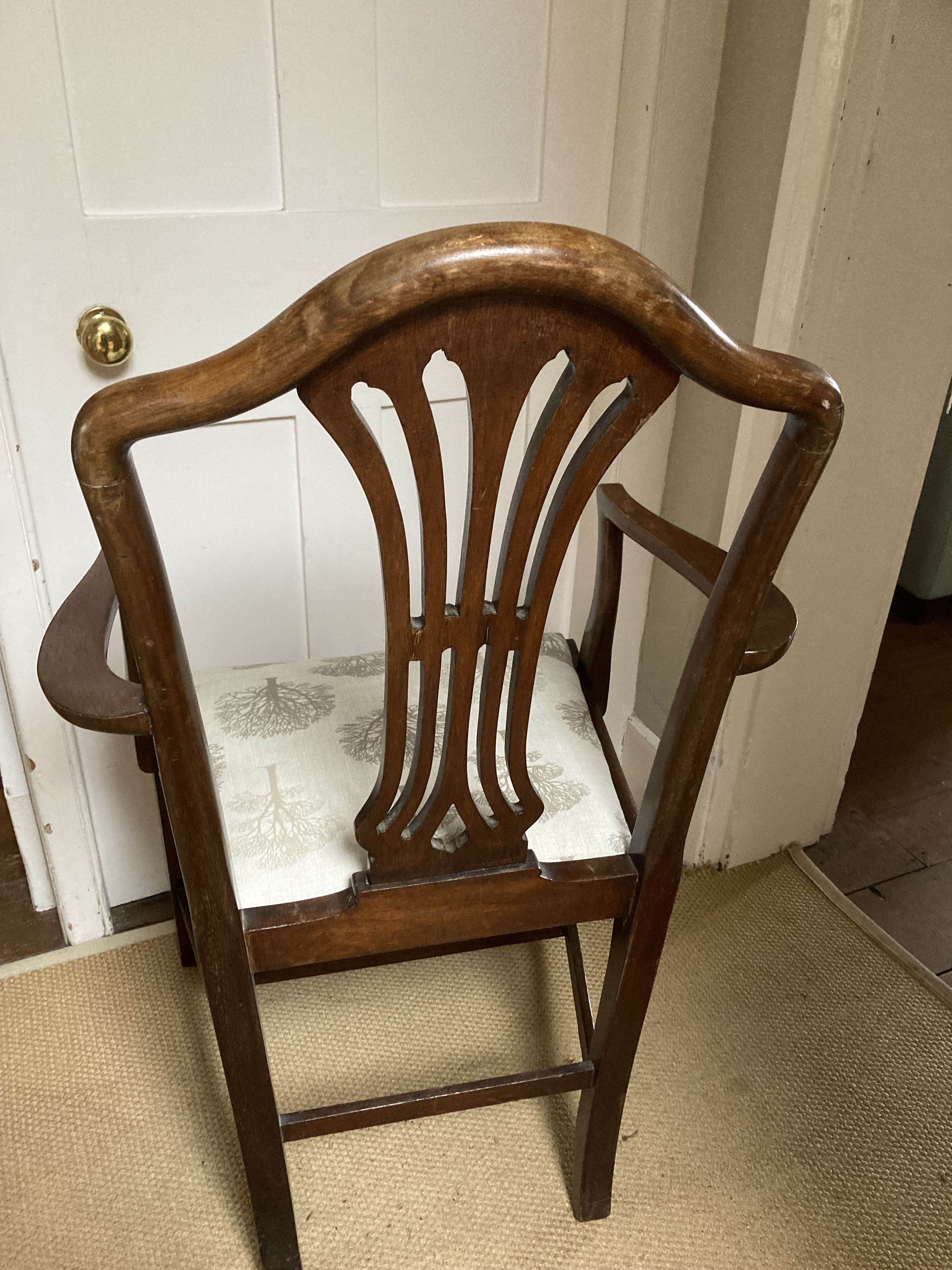
I had a chair – thrown in for free when I bought some others to seat our extended Christmas lunch numbers.

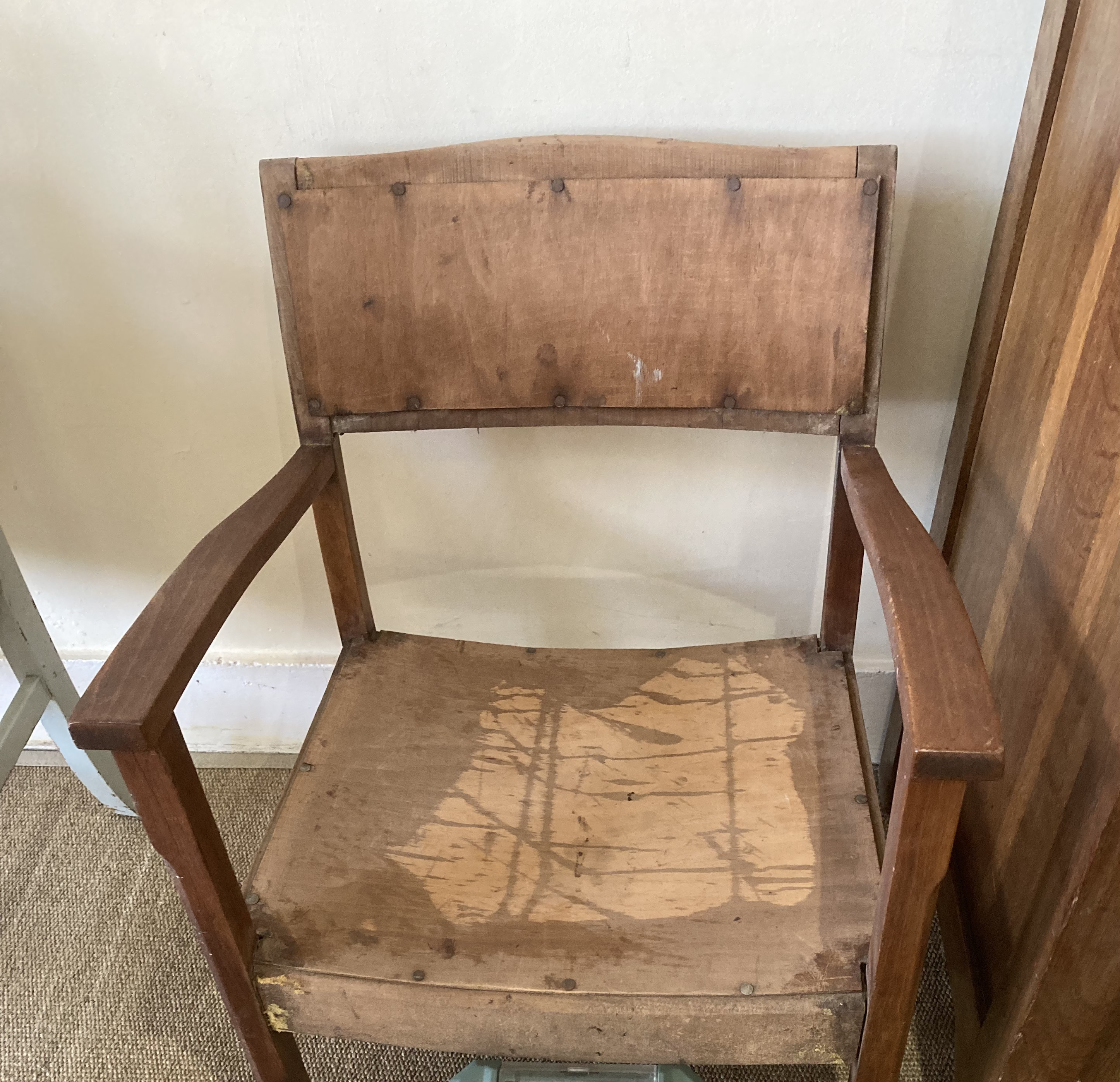
And I thought it could pass for a bit regal. I decided to recover the seat with some tree fabric as a nod to environmental credentials.

And I nipped up the road to one of those shops which sell everything as long as it came from China, and bought a blow up crown. 

I have to say, the design wasn’t great and it took for ever to even semi-inflate and deflated itself before Charles had made it back to Buck House.

Still, it’s the thought that counts.

Using red, white and blue china and books, I thought I had created something which would pass muster in a restrained kind of a way – but other volunteers had other ideas and once my back was turned, the table was festooned in flags and pictures of Charles and all sorts.

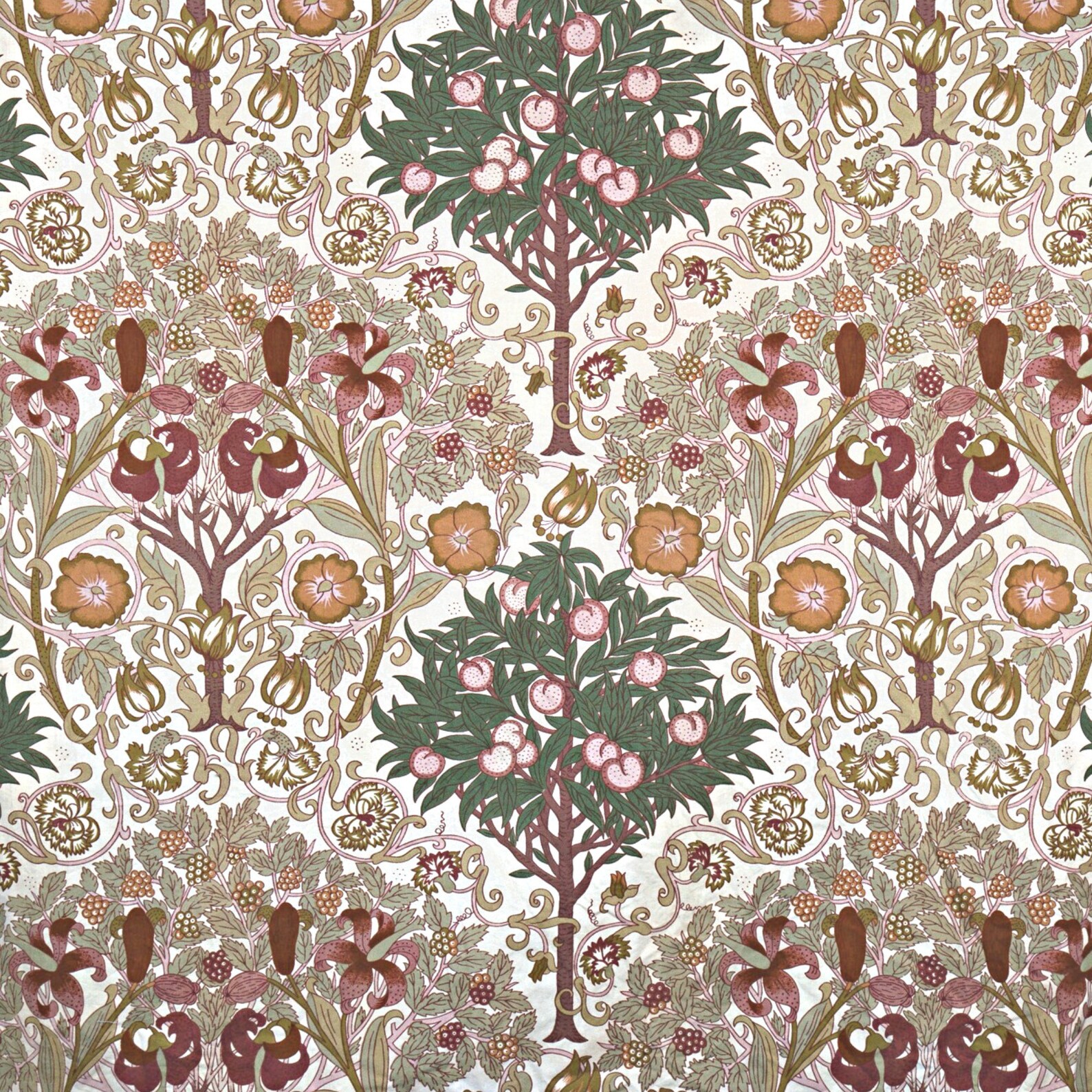
I’m planning on re-doing the seat so that it is more William Morris (see below) and less Charles III in the hope that too will find somewhere else to live. What do you think?

(This is nothing do with with chairs but is a small diversion in Oxfam serendipity.

As I was assembling the display, another volunteer called in with a shoe box. She had been at her U3A antiques course in a local pub when the landlady came over with said shoe box.

Apparently it was stuff left behind, unclaimed lost property and she wanted to give it to a charity shop. 

Our volunteer bagged it for Oxfam and on opening it we found a set of Queen Elizabeth coronation spoons and George VI coronation cake forks. 

The spoons sold before I had time to nip upstairs and take a photo of them so you will just have to imagine.)

Anyway, back to chairs.

Not so long ago someone donated a bag full of Sanderson and Liberty fabric from the revival days of William Morris patterns – I am thinking the 1980s country house look.

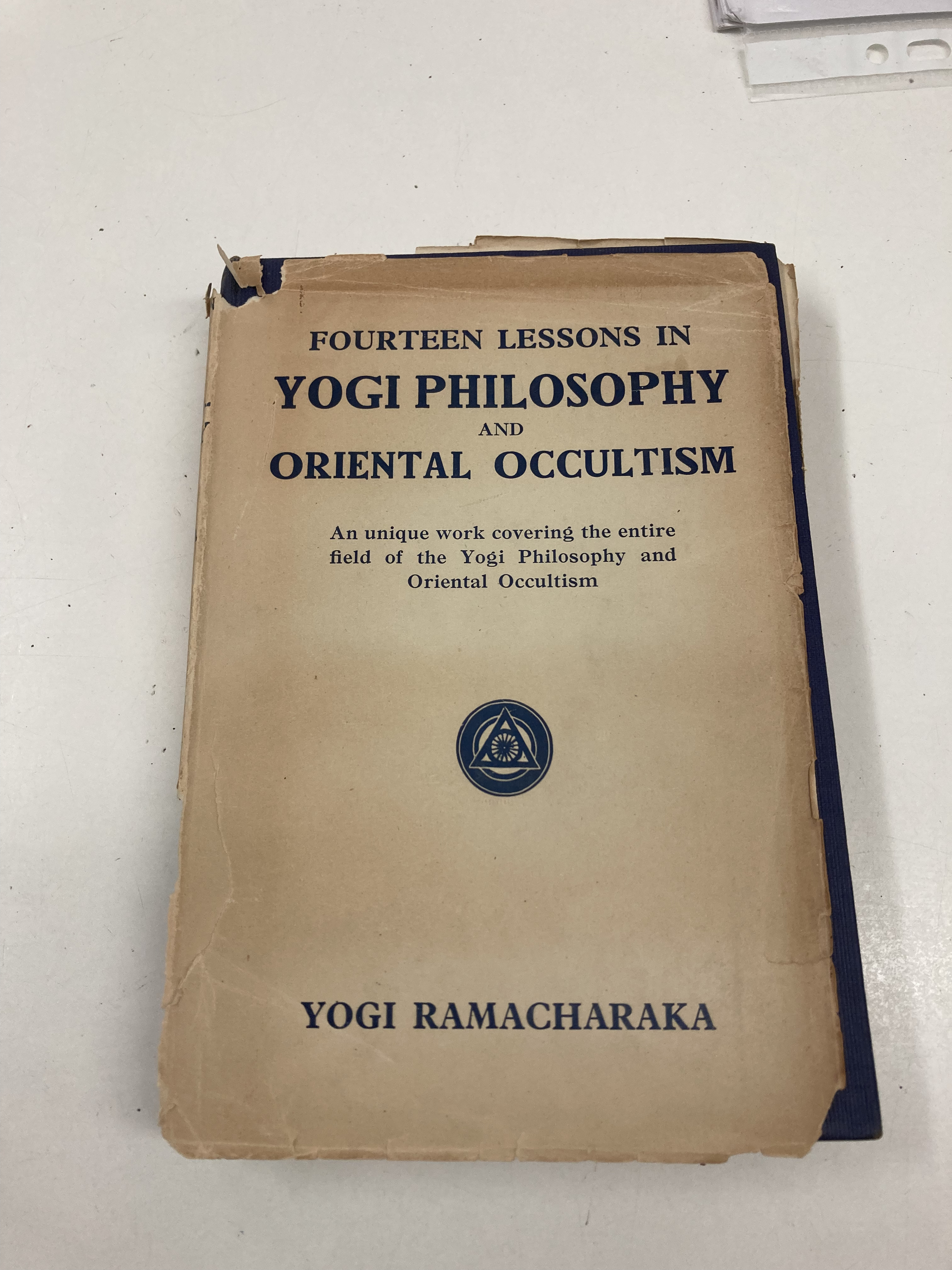
I thought I would start collecting books with covers which were arts and crafts movement and, at a pinch are nouveau.

Now I know William Morris was not art nouveau and I know that arts and crafts was a very different kind of movement, but us Oxfam book sorters have to make do with what we have and be a bit lateral now and then…

At much the same time someone in the village contacted about some chairs she had inherited/been landed with when her neighbour died.

She was very keen for them not to end up in the tip so I said I would take them and see what I could do.

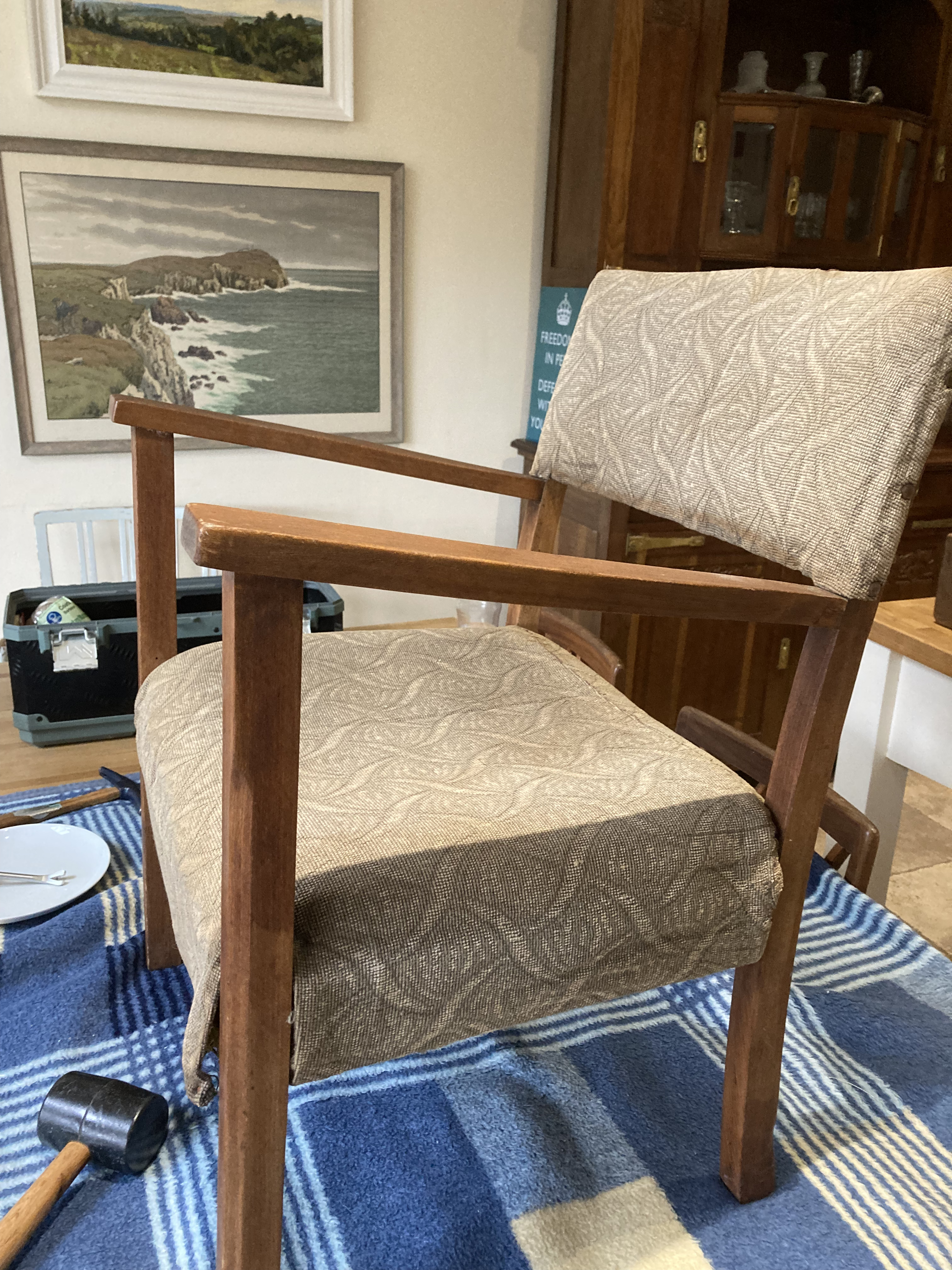
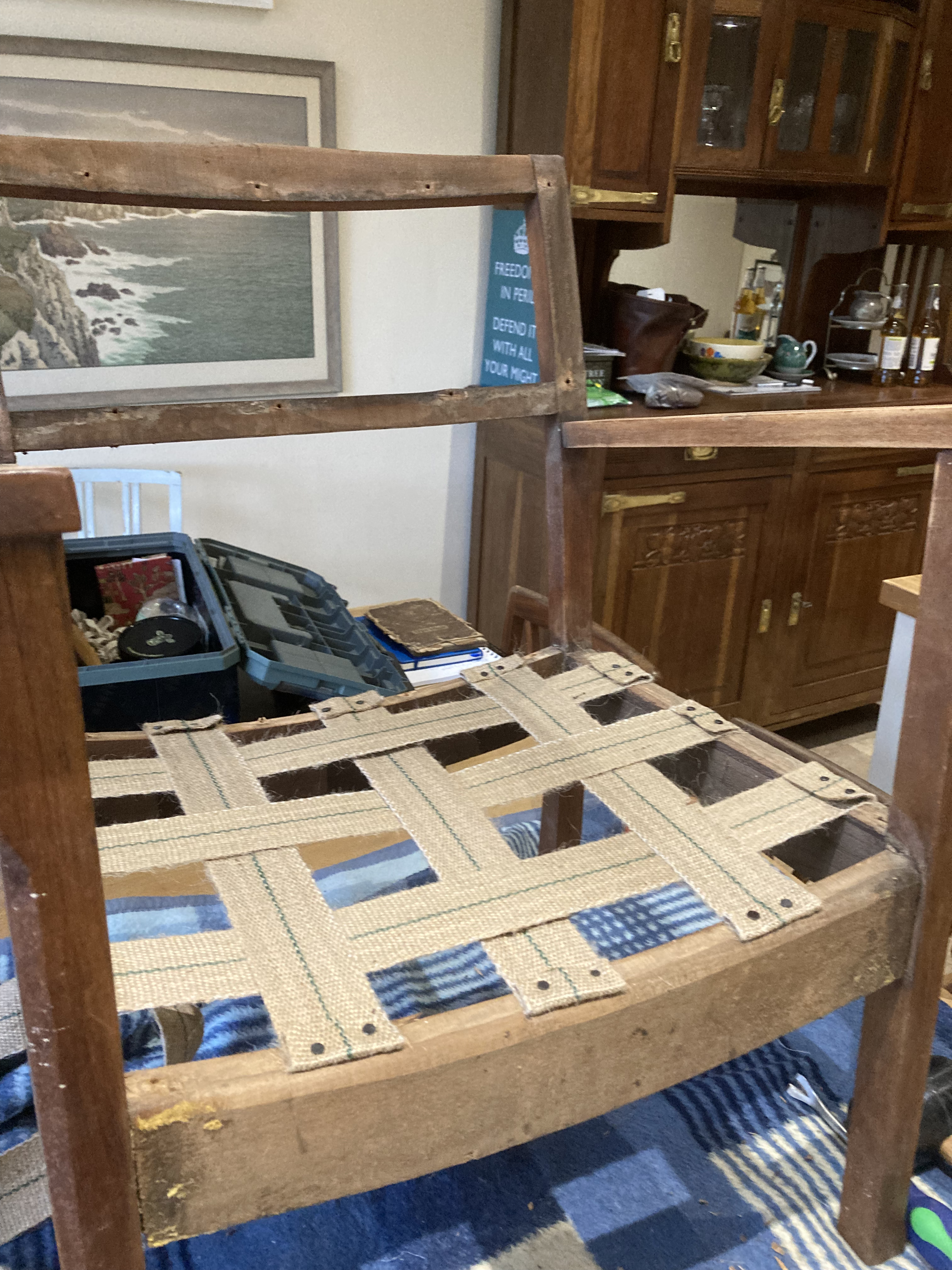
One was a simple, small, low chair which needed something better than the Draylon stretch cover with large purple flowers. Underneath, it had that raised scratchy fabric that I remember from a great aunt’s house.

It was not a thing of loveliness inside or out so it needed properly re-doing, from bottom to top.

Anyway rootling through the donated fabric I found a piece of Honeysuckle Minor which I thought would do nicely.

And it did.

So, the plan is to have the chair on the table with the lengths of other fabrics and the books and to see if the book-buying public of Petersfield have nostalgia for the 1980s or even the 1850s.

Meanwhile, I had listed it for sale and, sweet though it is, I was surprised to have someone wanting to buy it the next day.

Luckily, being a nice person, she agreed to have (now) her chair in the Oxfam window for a week.

In fact she seemed rather chuffed.

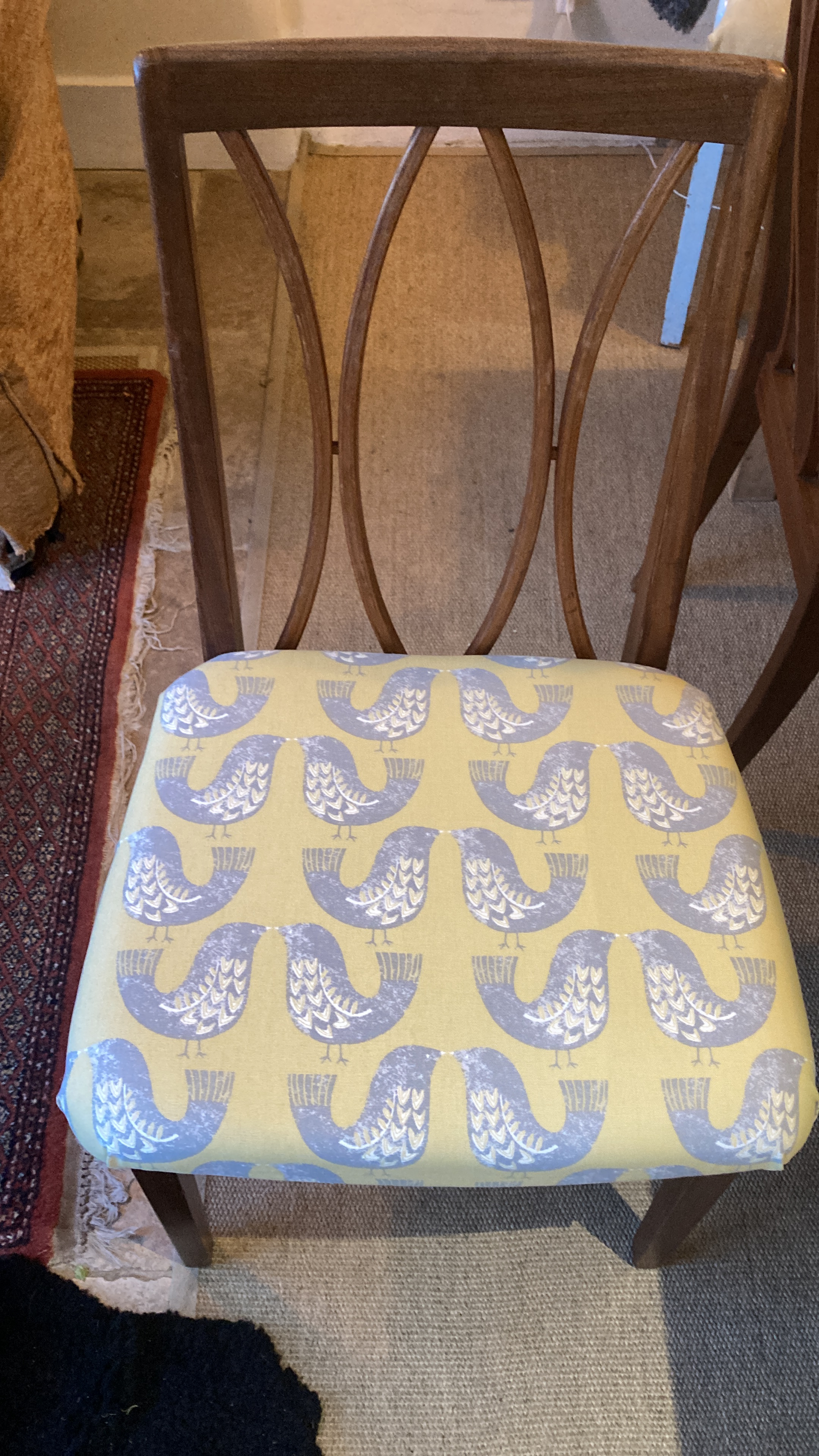
A couple of months ago, rootling around in the Red cross shop, I found some GPlan dining chairs and known the mid-century stuff is popular, I bought them and thought I would make a bit of a profit in doing them up and selling them.

After trying the patience of the fixers and tinkerers at our monthly Repair Cafe, and all four were sound and fixed, I set about the upholstery.

Then my Best Beloved took a fancy to them and suggested we got rid of our in-use chairs (also reupholstered by me and made sound by someone else.)

I was not hopeful that they would sell – being brown furniture which is certainly not all the rage.

So, imagine my surprise when I had barely time to put the kettle on after pressing the button to get them listed online, when there was a ping and someone who had the right period of house said, yes please.

And she was really pleased with them in her dining room.

But, by contrast, this nice mid-century Habitat chair was not sold when I was pretty sure it would. And is now getting in the way in the kitchen – not one the BB wants to adopt.

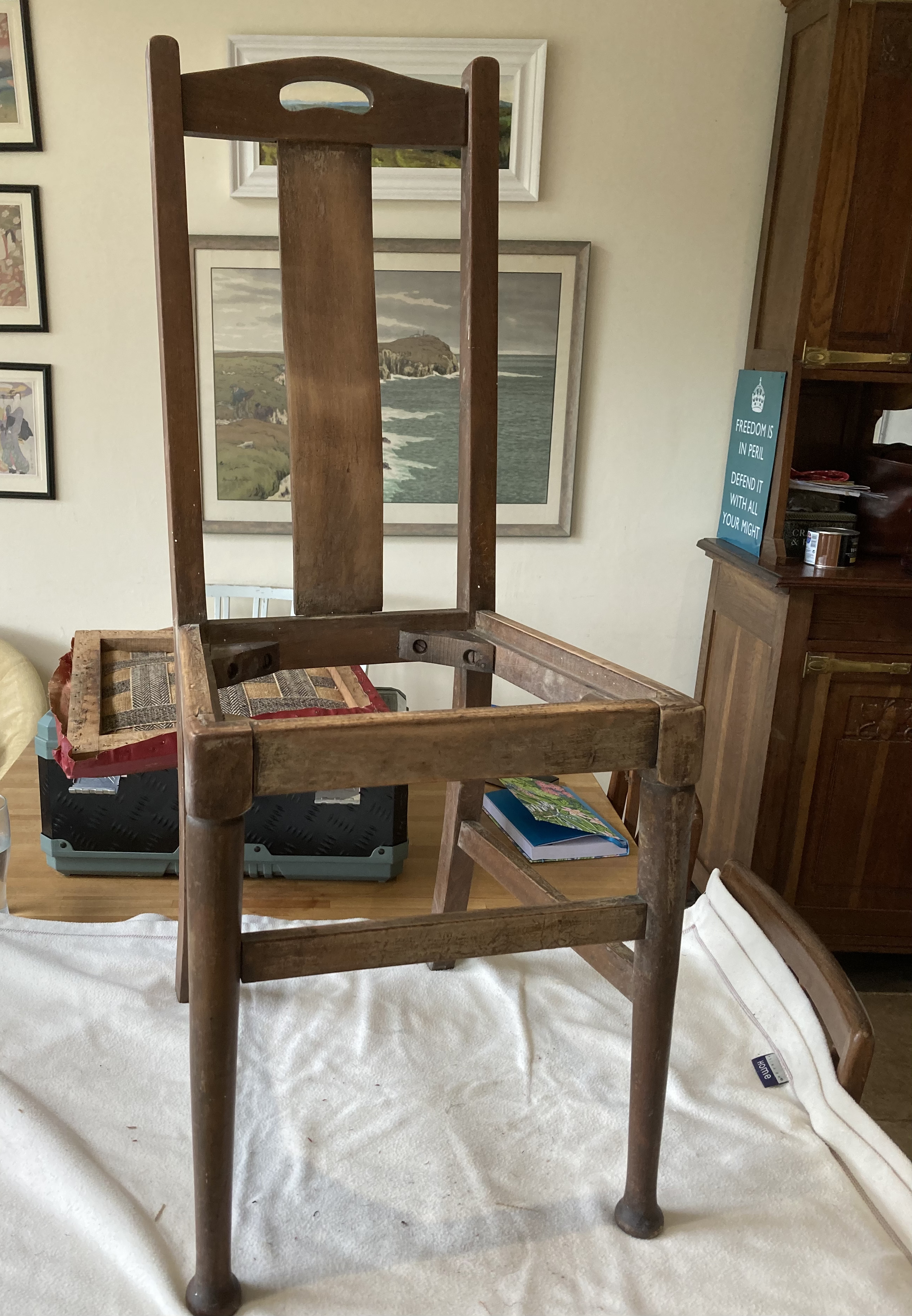
But, among the ‘inherited’ chairs I have now ‘inherited’ is a set of dining chairs which I really like.

They need fixing, hello Repair Cafe, and then de-varnishing and then re-upholstering by which time – someway off – I am rather hoping the BB will take to them and then I can start looking for a new home for the GPlan ones.

Such is the life of the hobby upholsterer.

Salvaged

We get a lot of history books into the Oxfam shop, but not many written by hand.

And though perhaps not actually strictly a history book, it is a book which is a part of history.

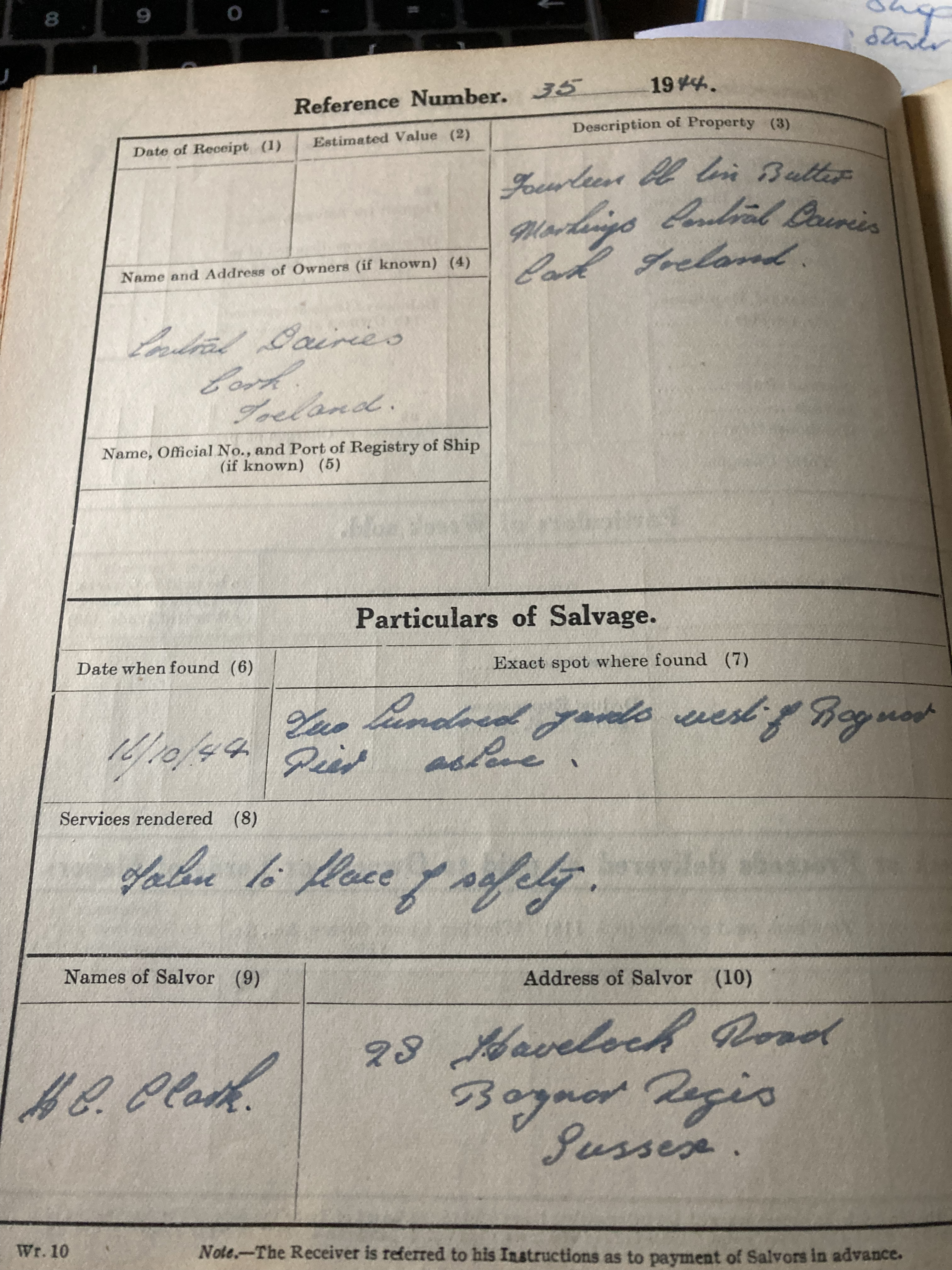
This nicely (but now rubbed and faded on the outside,) marbled book holds a record of wartime salvage off the Sussex coast.

Before your mind wanders to a romantic story of villagers pillaging loot under the cover of darkness as the waves of the channel swish along a hidden slice of coastline, stop it.

This is a series of terse listings of what, where and who from 1943 to 1947.

Written, I am thinking, by men who were charged with creating a log to keep officialdom happy or at least undemanding, or just to have a record of what appeared on ‘their’ shores.

The title page is blank so they ignored the boxes asking who they were  – and if you read it carefully, you will see that perhaps officialdom was looking for a few more details. 

They knew what was found, where and who carried out the salvage but as to what it was worth, who was paid what as a result or who the owners were – it is all a mystery to us and perhaps them.

There is different handwriting as we move through the book and the years – some more legible and some a fraction less terse, but nowhere are we getting the backstory.

What ship shed its load of rubber? There were various amounts of rubber found at various dates, in places from ‘ bottom of sea lane, Angmering-on-Sea’ to five yards below the High Water Mark outside the Pheonix Club, Alma Hotel, Middleton-on-Sea, and one bale of unmarked rubber on the foreshore of the Craigwell Estate.

I have no idea who was filling in these entries and what official capacity they held, but we do get an idea if who was doing the salvaging.

Quite a number were Canadian soldiers – not entirely surprisingly as there were a lot in Sussex and presumably were allowed onto the fortified beach when ordinary locals weren’t.

But there were salvaging civilians including E W Morris, Lorry Driver, 50 Highfield Road, Bognor Regis.

And, Richard Davie, Police Constable, Police Cottage, East Preston, Sussex.

J O’Connell of Admiralty Road, Felpham salvaged ‘Paraffin Wax approx 150 lbs no marks.’

The names don’t repeat – with the exception of Constable Davie which might point to locals handing stuff over to him whether completely to not – so presumably these were not professional salvagers unless there was a significant number of them vying for stuff all along the Sussex coast.

I am assuming that most of what was found was flotsam (being the stuff that was not deliberately thrown overboard) as opposed to jetsam which was, you won’t be surprised to hear, was jettisoned.

And there are other more interesting finds than rubber or paraffin so, if you have the time and energy to read on.

It seems as if the entries all refer to things which ended up on the shore and indeed quite a lot is listed as being pulled above the high water mark.

But more portable stuff was ‘taken to a place of safety’ and interestingly, that place is rarely identified.

I could run away with the idea that places of safety might include shed, kitchen cupboards, or under counters but there is the official record – however thin and terse – of what arrived on land so presumably the salvagers were an honest lot.

For instance:

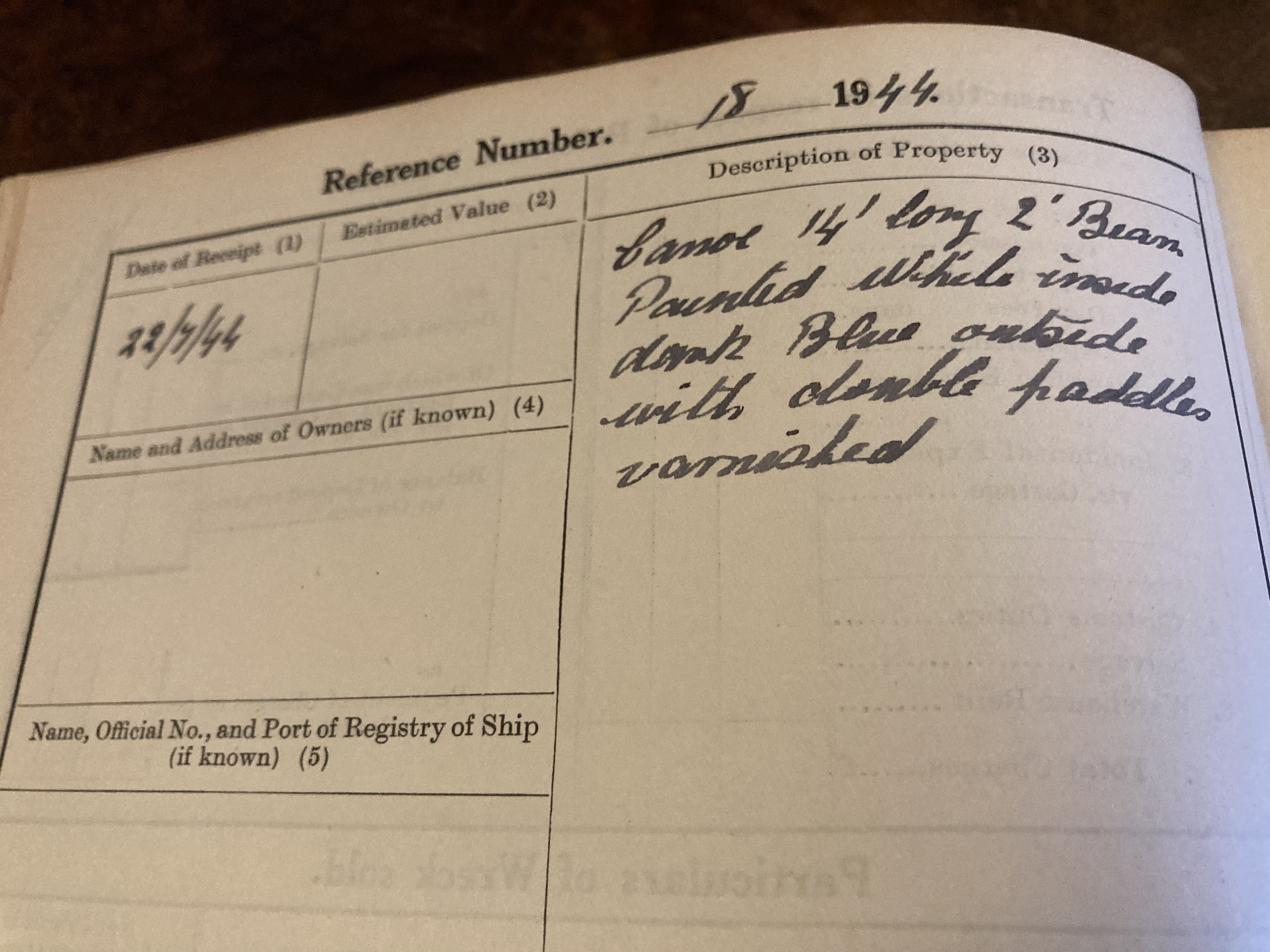
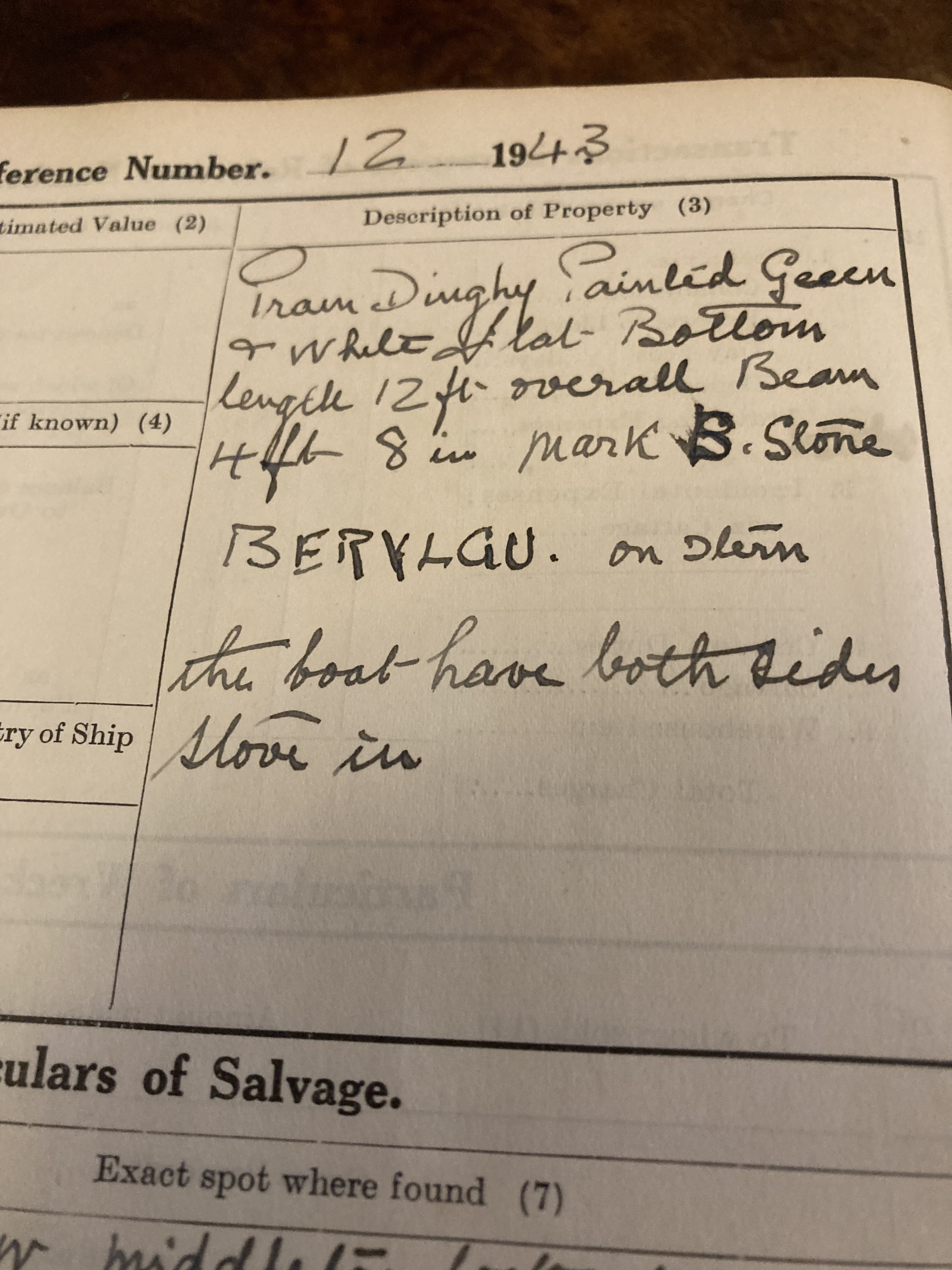
There are a number of dinghies, and a canoe complete with oars.

With a couple of exceptions, none of the boats had names. Perhaps that was common in the war, but where did they come from? What happened to the people in them? Why were people out in dinghies, or indeed canoes in the channel during a war?

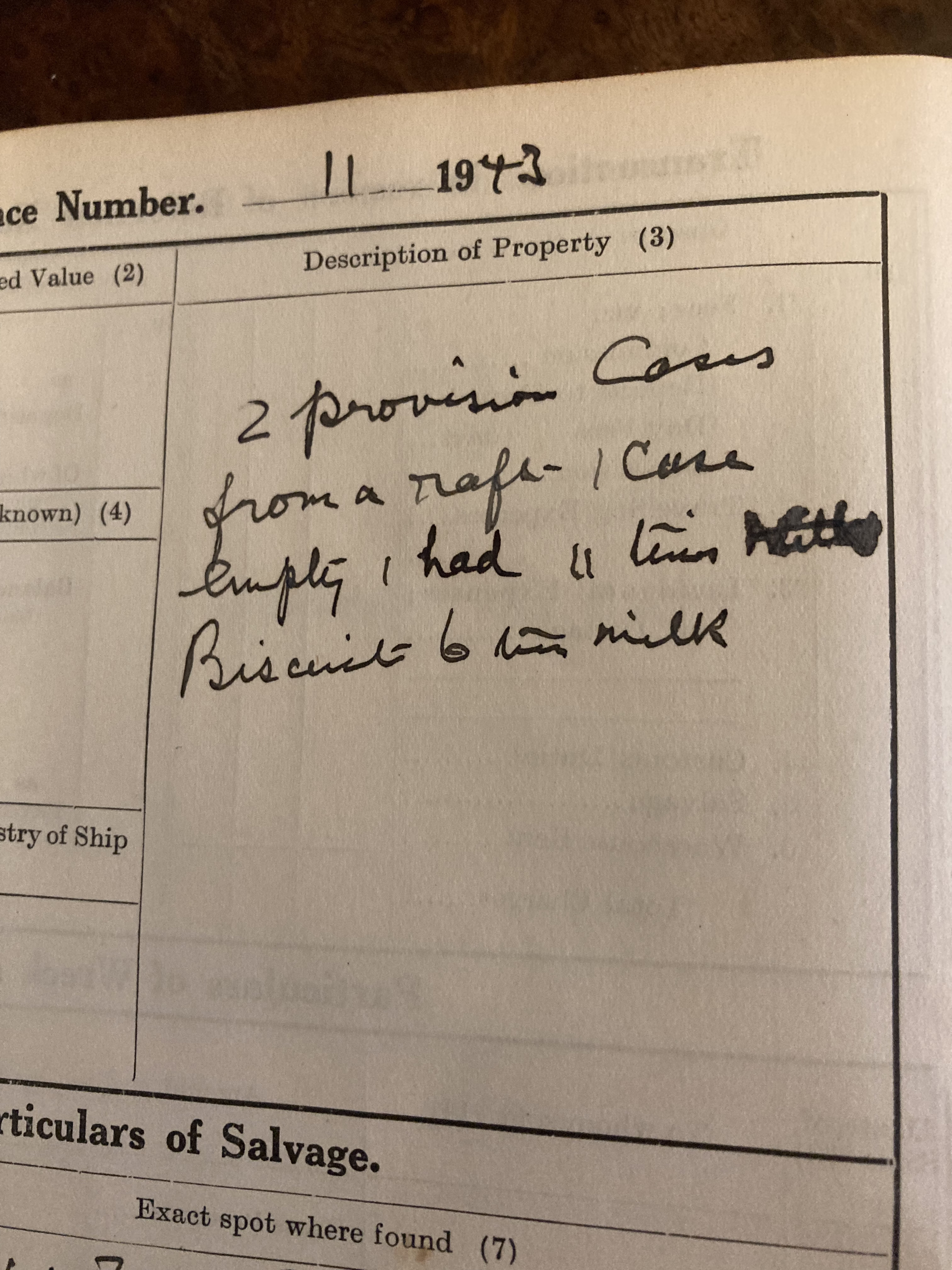
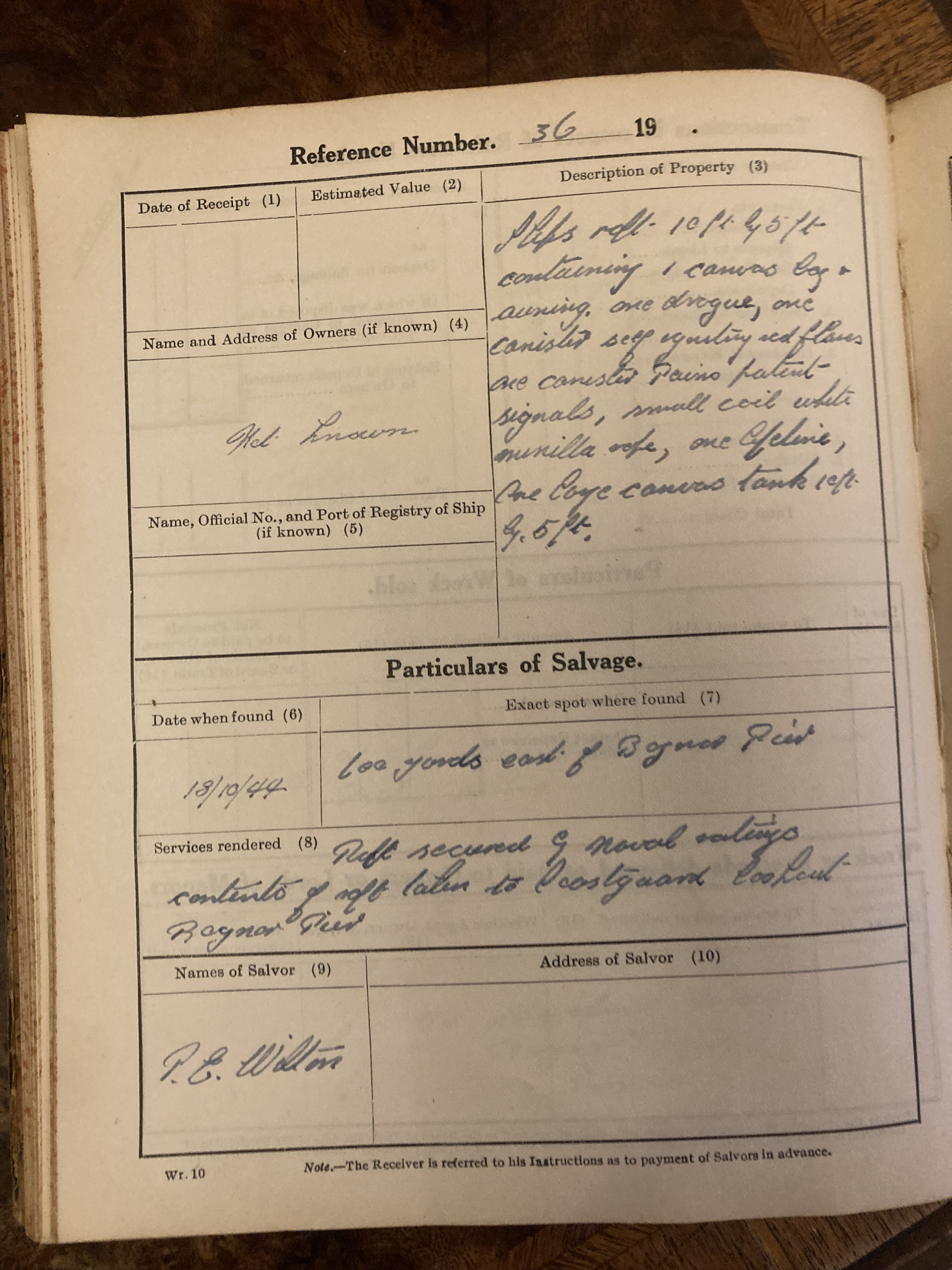
Finally, perhaps the saddest entries are those of ships’ life rafts

Hopefully, we will find someone who wants to research/appreciate/understand this brief record of an aspect of Sussex coastal wartime history – if we do, I will let you know.

More than books

There are all sorts of strange things donated to Oxfam bookshops and recently we seem to have had our fair share. 

I have covered this theme before but do you know what, it still keeps happening. All these were donated in the last week.

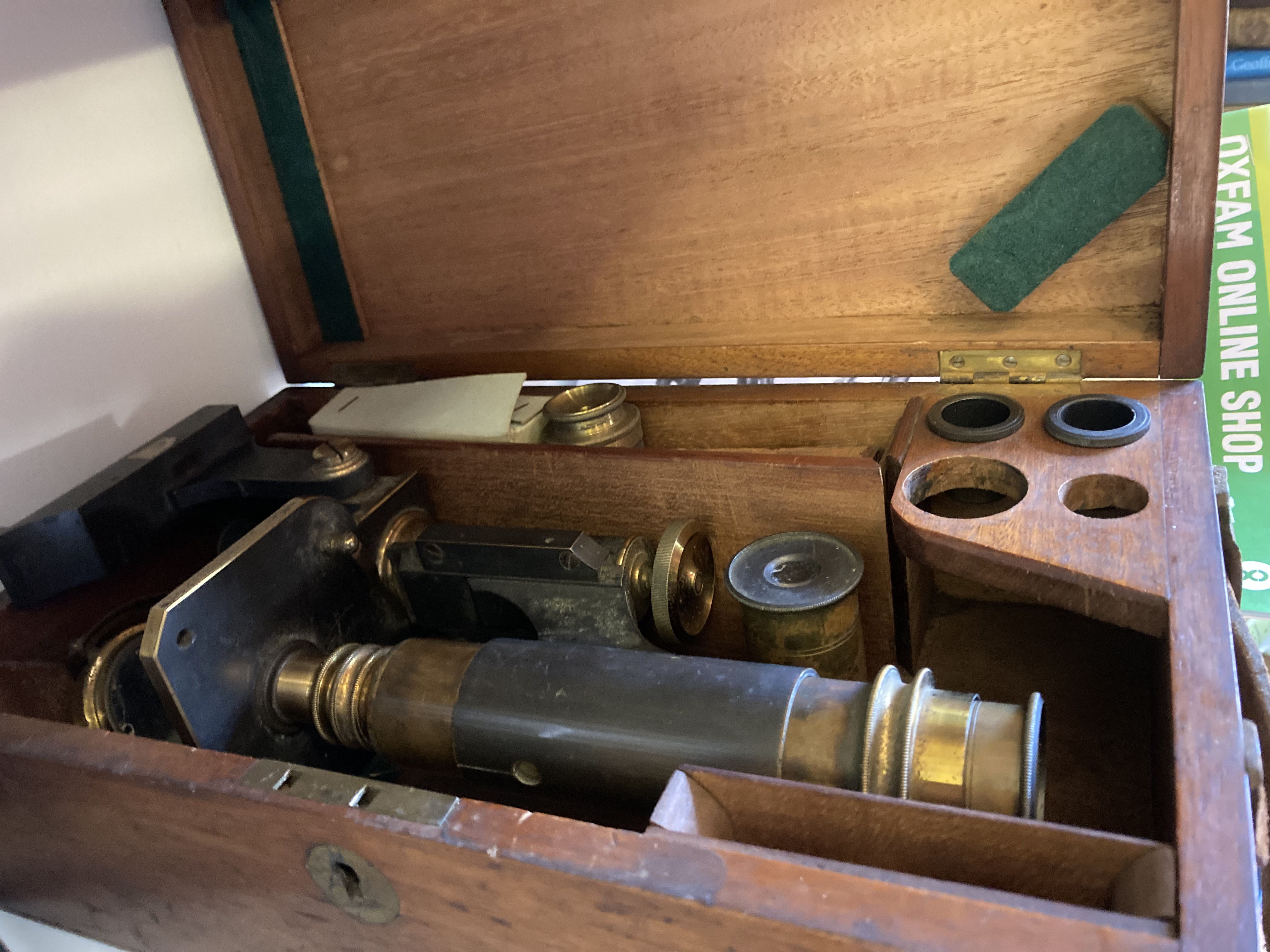
Here is a microscope, from we think, the mid to late 1800s.

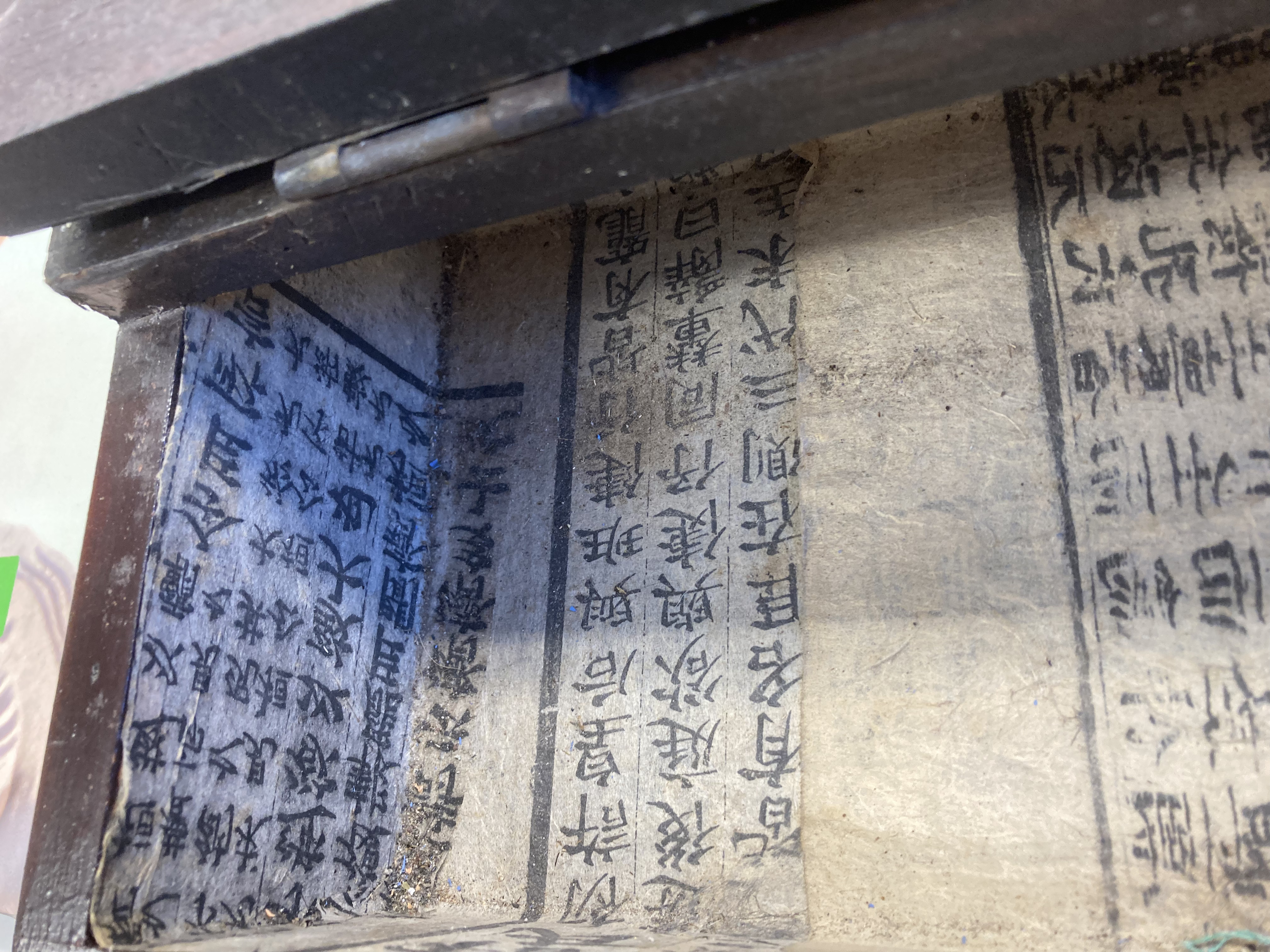
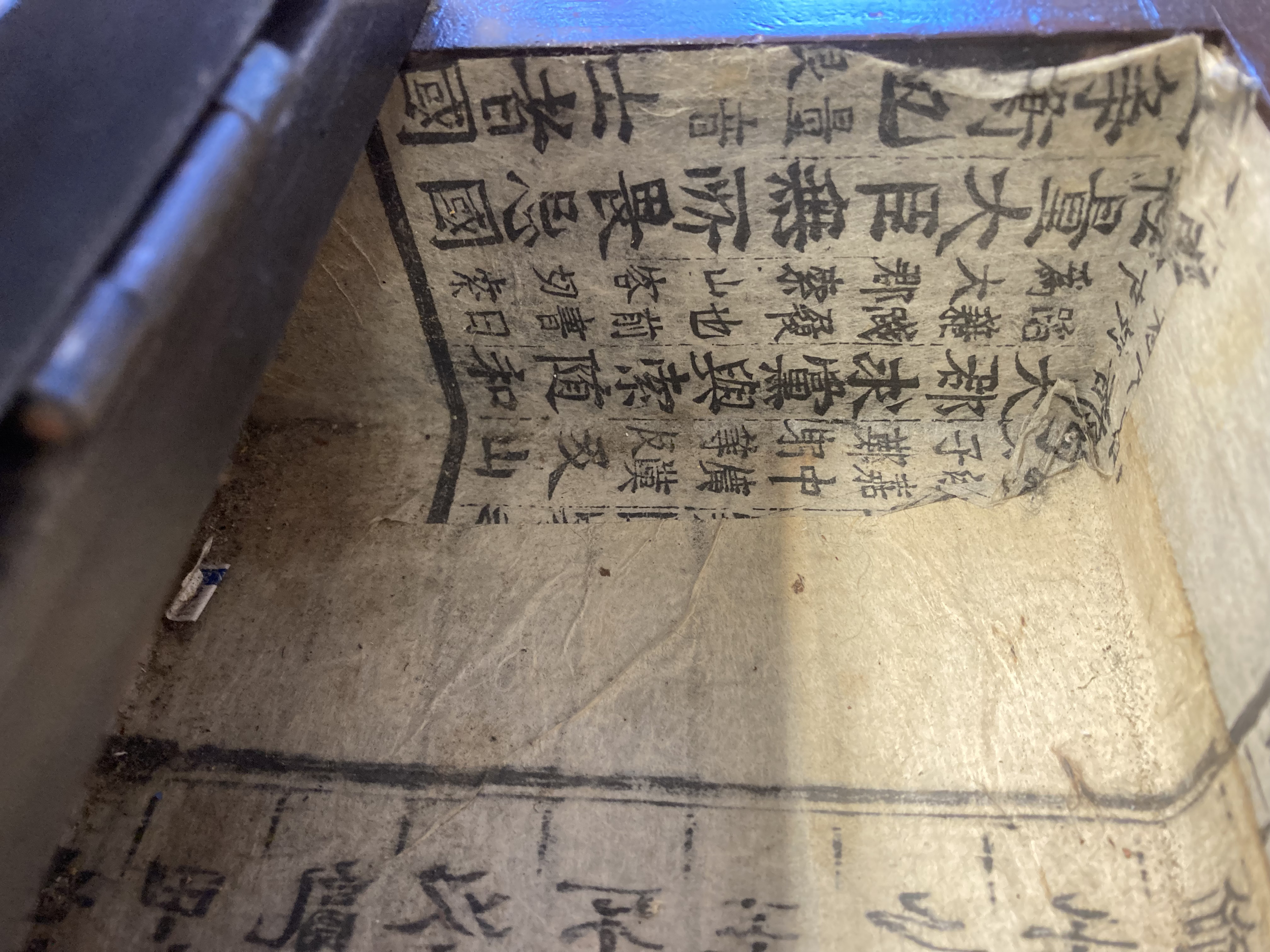
Here is a box lined with what I think (but don’t know) is Japanese script/newspaper – but from what era? 

A pair of shell casings from WW1 – not trench art, just casings, presumably brought home and you have to wonder what was the story behind bringing them back.

The box was donated by a fellow volunteer who won it at an auction at the Australian High Commissioner’s event in Singapore many years ago – as you do.

He (the volunteer, not the commissioner) told me it was the box that had held the surrender papers from the Japanese navy at the end of WWII – but he was joking. 

He had no idea what/when/why it was.

I would like to know what the script says – it is the classified adds from the Tokyo Times in September 1970 or a confirmation this was owned by the under secretary to the under secretary of the Emperor sending out a secret message to Matthew Perry – the first foreigner ‘allowed” into Japan for 200 years?

So, what to do with them?

‘You can do a Japanese table display,’ said my manager.

But we would need Japanese books…

And yes, the next donation she sorted was a bag full of Japanese books – there are some book gods out there….

As for the microscope. It has no name on it so not an absolute treasure, but a volunteer who knows about cameras (close enough) was called in to check it out. 

It was probably a school microscope dating from the mid to late 1800s. Brass, solid, in a box, used and re-used by schoolboys (no doubt, no girls) and who knows whether it inspired a child into science where he (undoubtedly) did some good science work which is benefiting us today….

And, our volunteer found out one like it – for sale on E-bay. Ours has ‘ original patina’ as they say on Antiques Roadshow, but that one was all polished up.

He was sneery about the polishing and thought the original condition would please someone who wanted the original/ripe for rescue microscope –  and very sure that ours will make more than the £94 the other one went for on E-bay.

By serendipitous coincidence, we had already been gathering books to do a window on science and technology and now we have a star artefact/prop.

The microscope will be in an Oxfam window near me in the next few weeks and there will be a lot of fingers crossed hoping that a microscope restorer looking for a new project will be walking around Petersfield…….

Well, we will see and I will tell you.

In the serendipity of an Oxfam bookshop, we had already been collecting books for a window of science and technology through the ages – so the microscope will be out star (non-book) performer.

As for the shell casings.

Well they are not crafted into trench art and so our best hope is that the metal might be worth something – or/and, fingers crossed people, there is someone out there ( book-shopping in Petersfield) who wants some undecorated WW1 memorabilia.

And some William Morris Sanderson fabrics and a pair of curtains.I thought they’d gone out, in and back out of fashion, but turns out they are still worth a bit.

Arts and Crafts, I thought. 

Well, of course, I hear you saying.

But what I plan/hope/can to do with them is for another time.
Russians in America

As I have mentioned before, ad nauseam you might think, coincidence is a major part of the enjoyment of working in an Oxfam bookshop.

These are rather esoteric coincidences, but that’s what you get sometimes so buckle up.

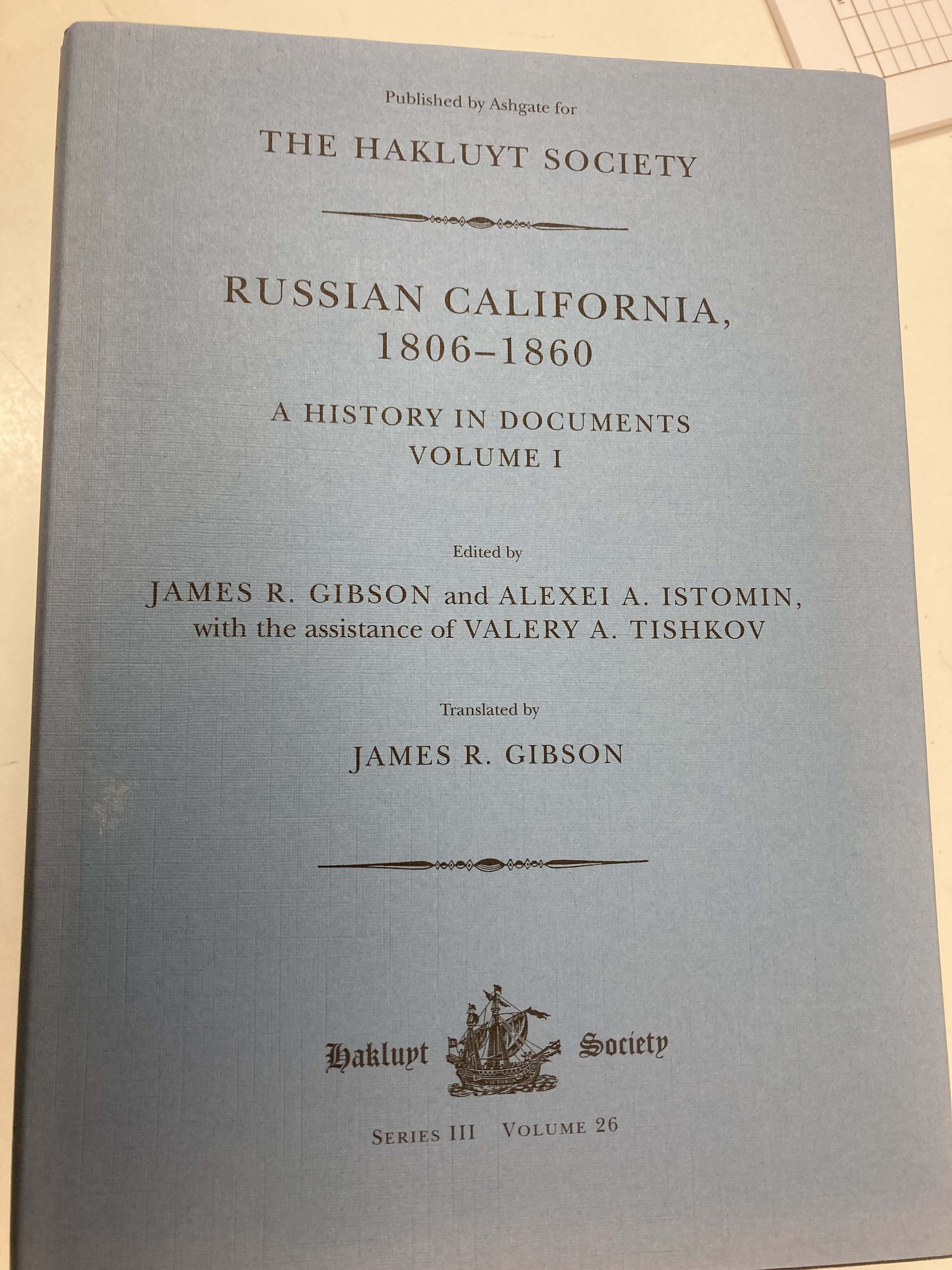
Someone rang to ask if we wanted some volumes published by the Haklyut Society and I said yes. 

I had seen a few before and know them to be nothing-if-not-niche history books. And worth putting online.

They came in in pristine condition and the donor admitted he had not read all of them from cover to cover.

Now, given that among the donation were three volumes of The Artic Whaling Journals of William Scoresby the Younger – I am not entirely surprised.

( Though I was surprised to note this must have been where Phillip Pullman got his name for the artic explorer Scoresby in his Northern Lights Trilogy. 

Are you keeping up?)

Now, if you were thinking, ‘Well, they’ll be sat on the shelves for a while.’ You are wrong, they had sold before I got back to the shop to take a photo for this blog and to prove I was telling the truth about them.

Anyway, there were also two volumes of Russian California.

So,

‘Sailors from the Russian Empire explored along the northern coast of California. In 1812, the Russian-American Company established a trading post and small fortification at Fort Ross on the North Coast.Fort Ross was primarily used to supply Russia’s Alaskan colonies with food supplies. The settlement did not meet much success, failing to attract settlers or establish long term trade viability, and was abandoned by 1841.’

I am not sure how you would get two volumes out of that but as the Haklyut Society publishes ‘scholarly editions of primary records of voyages and travels’ maybe there were more bored settling Russian sailors writing diaries than one might expect.

And they seem to be convinced that the Russians came earlier and left later than Wikipedia thought.

So, I can hear you asking, who was this Haklyut who inspired this society of arcane travel history books publishing society?

Well, first of all his name is pronounced Hak’loowt which I found good to know as I had been struggling with various alternatives.

No, not Dutch as you might think.

Born and bred in Herefordshire – that was a surprise (and indeed the area I grew up in, by coincidence.)

Their family taking their name from the ‘Forest of Cluid in Radnorland’ apparently.

Richard’s father was a dealer in furs and was a member of the Worshipful Company of (aptly-named) Skinners.

Richard had a good education, got ordained, was around in Elizabeth and James I’s court and the was a significant promoter of the colonisation of America and was the chief promoter of a petition for ‘letters patent’ to colonise Virginina.

So, now you are feeling a lot more educated on Haklyut than you were an hour ago. No, it is fine, don’t thank me.

Anyway, on the same day that the Haklyut books came in, our champion donations-sorter came upstairs with a map.

And there it is showing Alaska ‘owned’ by the Russians.

The map was printed in 1865, just two years before the Americans bought it for $7.2m dollars. See below.

Now I disappeared down a rabbit hole of the history of Russians in Alaska and below is a short summary of what I found out – but feel free to think that you might not need to have even a very short version of this corner of history.

By the time the sale treaty was signed, Russians had been in Alaska for 125 years.

In 1741, Vitus Bering (he of the straits fame) was spurred on/ordered by Peter The Great to find out what happened after the end of Siberia. 

One voyage failed but on the second one they found the edge of Alaska. Bering died of scurvy but his ship mates returned loaded up with skins of sea otters, foxes and seals – and whetted the fur-appetite of Russian dealers.

So, the Russians headed back to Alaska asap.

Alaska wasn’t empty of people. There were an estimated 100,000 native people living there.

There were some trading arrangements set up but relations were not great once the Russians started taking leaders’ children as hostages and using their more powerful weaponry, for example.

On the Aleutian Islands, again for example, a pre-Russian population of about 17,000 plummeted to 1,500 as a result of disease, capture or fighting.

And they brought over Russian Orthodox missionaries to do what missionaries tend to do. And, the most visible trace of the Russian colonial period in contemporary Alaska is the nearly 90 Russian Orthodox parishes with a membership of over 20,000 men, women, and children, almost exclusively indigenous people. 

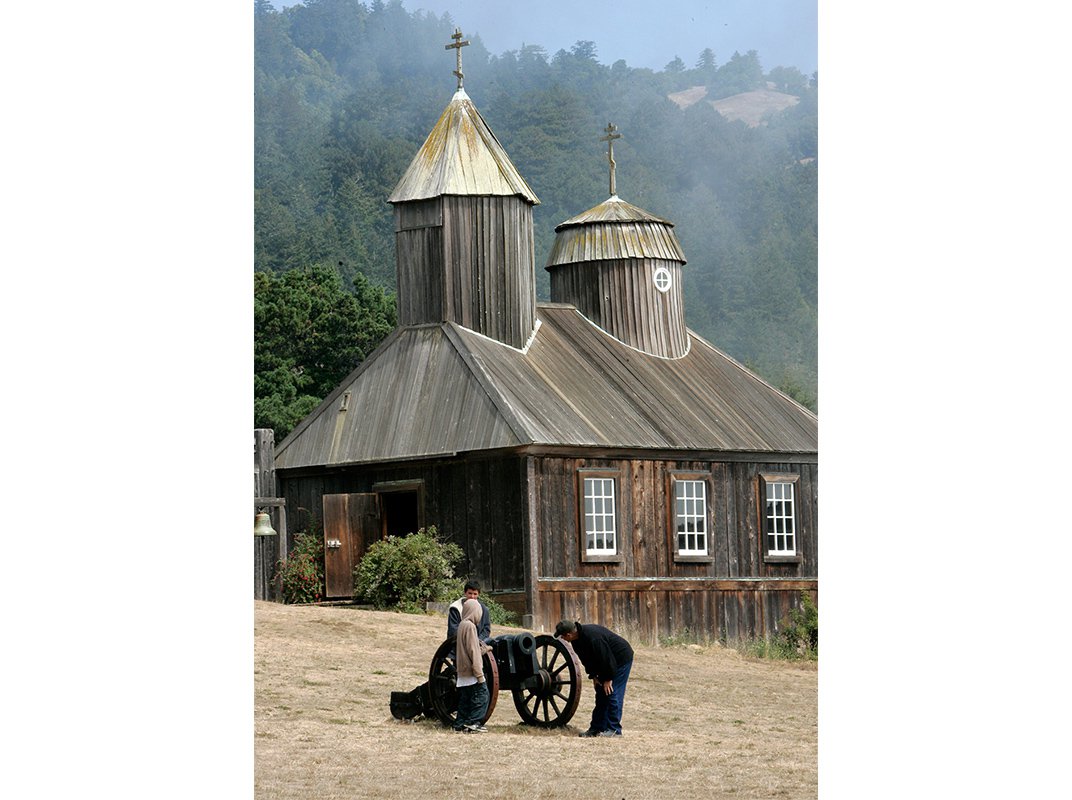
In search of somewhere just a little bit more clement and less demanding that you were a very rugged man, the Russians headed south and set up a trading relationship with the Spanish and Fort Ross in 1812 – just 90 miles north of San Francisco Bay. 

Fort Ross in its early days

Russian Orthodox Church Fort Ross

But they were half a globe away from St Petersburg, it was tough, cold and 

By the middle of the 19th century, profits from Russia’s North American colonies were in steep decline. Competition with the British Hudson’s Bay Company had brought the sea otter to near extinction, while the population of bears, wolves, and foxes on land was also nearing depletion. Faced with the reality of periodic Native American revolts, the political ramifications of the Crimean War, and unable to fully colonise the Americas to their satisfaction, the Russians concluded that their North American colonies were too expensive to retain. Eager to release themselves of the burden, the Russians sold Fort Ross in 1842, and in 1867, after less than a month of negotiations, the United States accepted Emperor Alexander II‘s offer to sell Alaska. The purchase of Alaska for $7.2 million ended Imperial Russia’s colonial presence in the Americas.’ Wikipedia

So the wildlife and local people were killed off. And, of course, that is not just the prerogative of Russians. See also America, the British Empire and many, many others.

And one man’s ‘revolt’ is another person’s definition of fighting to reclaim their own land, customs, rights. 

Serendipity and Coincidence

It has rarely been a time when serendipity and coincidence have worked out so well for our Oxfam bookshop.

I have said before, and no doubt will say again, one of the delights of volunteering in an Oxfam shop is serendipity – you can’t order stuff, you can only open a box, delve through a carrier bag, and find what you find, look at something which makes you smile.

This, dear reader, is a long list so don’t say you weren’t warned.

So, where will we start.

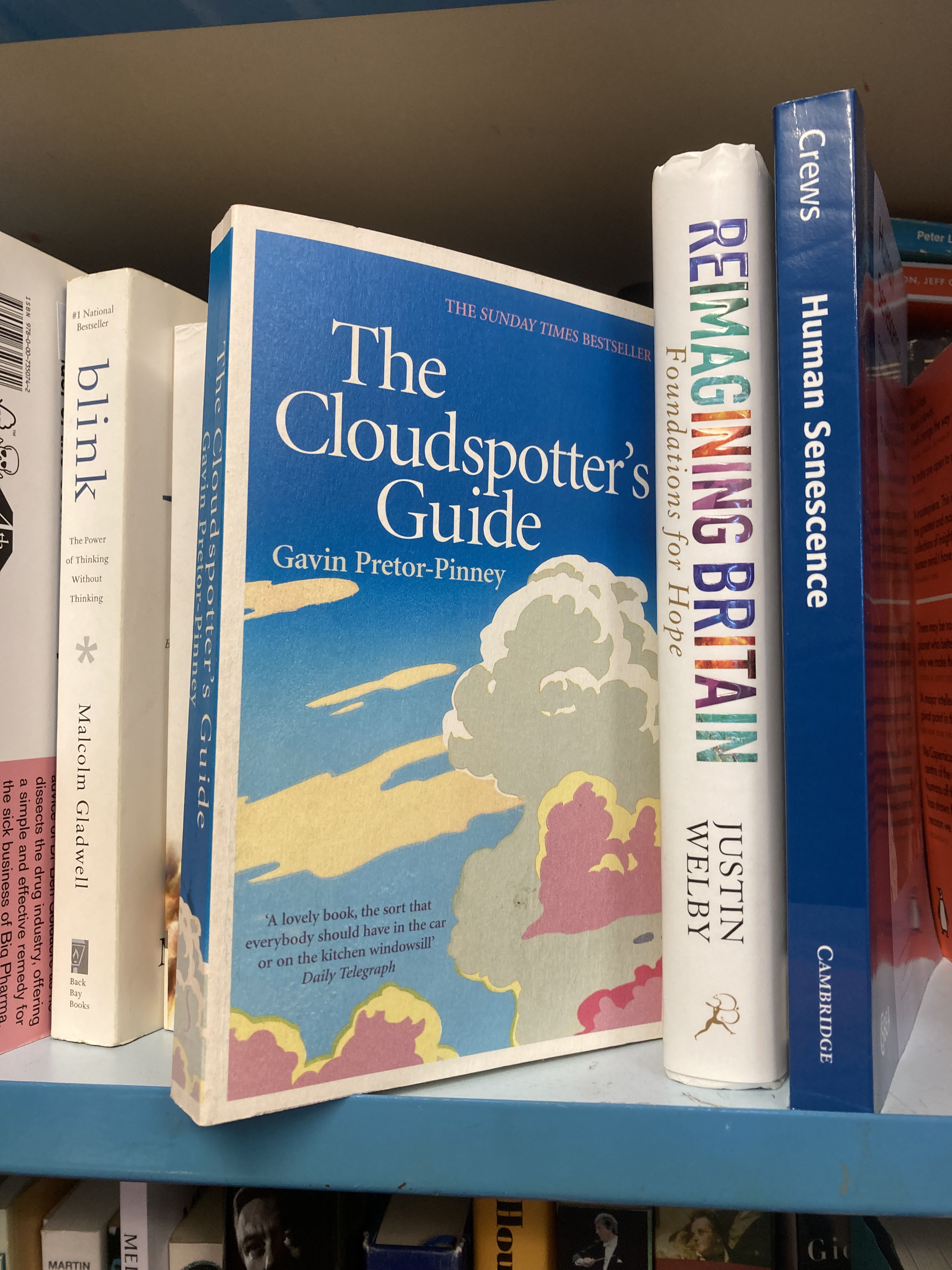
Someone came into the shop and asked for books on weather. 

He said his family had decided not only would they shop for Christmas gifts in charity shops, they had a theme – weather.

We we always, always have books on weather – clouds formations, climate change etc etc – but not this time.
Three of us scoured the shop upstairs and down, but nothing. 

Of course, after Christmas we have had lots of books which would fit the bill, but nothing at the time – sorry customer.

On the other hand, here is a good news story.

So, a couple came in, the same day, and asked for for an old  leather-covered bible. Not a request we get often.

And we often have one.

But not this time.
Apparently, their son had confirmed as a Christian as an adult and he loved second-hand stuff, shopping in charity shops etc.

And, they were not in a great hurry so I took their phone number, and said I would let them know if I found one.

One day, after the planning and work ( bearing in mind we have been doing this since August) and whoo-ha of Christmas, I had time to set out, clear out, rootle through the stash of ‘old and interesting’ books and found a bible dictionary which was not only leather bound, but presentation bound.

(That means, just in case you don’t know, it was bound especially to present to a student with a presentation certificate pasted inside. And it had marbled boards and page ends – no I don’t have a picture so you need to Google what that means if you are interested.)

And, sorry I did not take any photos.

It seemed to me to be a long shot of what the customers wanted ,but called them anyway saying they were under no pressure to buy, just a thought.

They turned up about an hour later, were delighted, paid twice what we had priced it at, and bought a coffee-table book (we had had for a very long time) on the most beautiful bibles in the world.

Later he sent me a text message saying how delighted they were and how much they had appreciated the ‘effort’ we had made to get what they wanted.

 As ever, there is something special about uniting a book with someone who is going to really appreciate it.

Next, serendipity and coincidence is more prosaic.

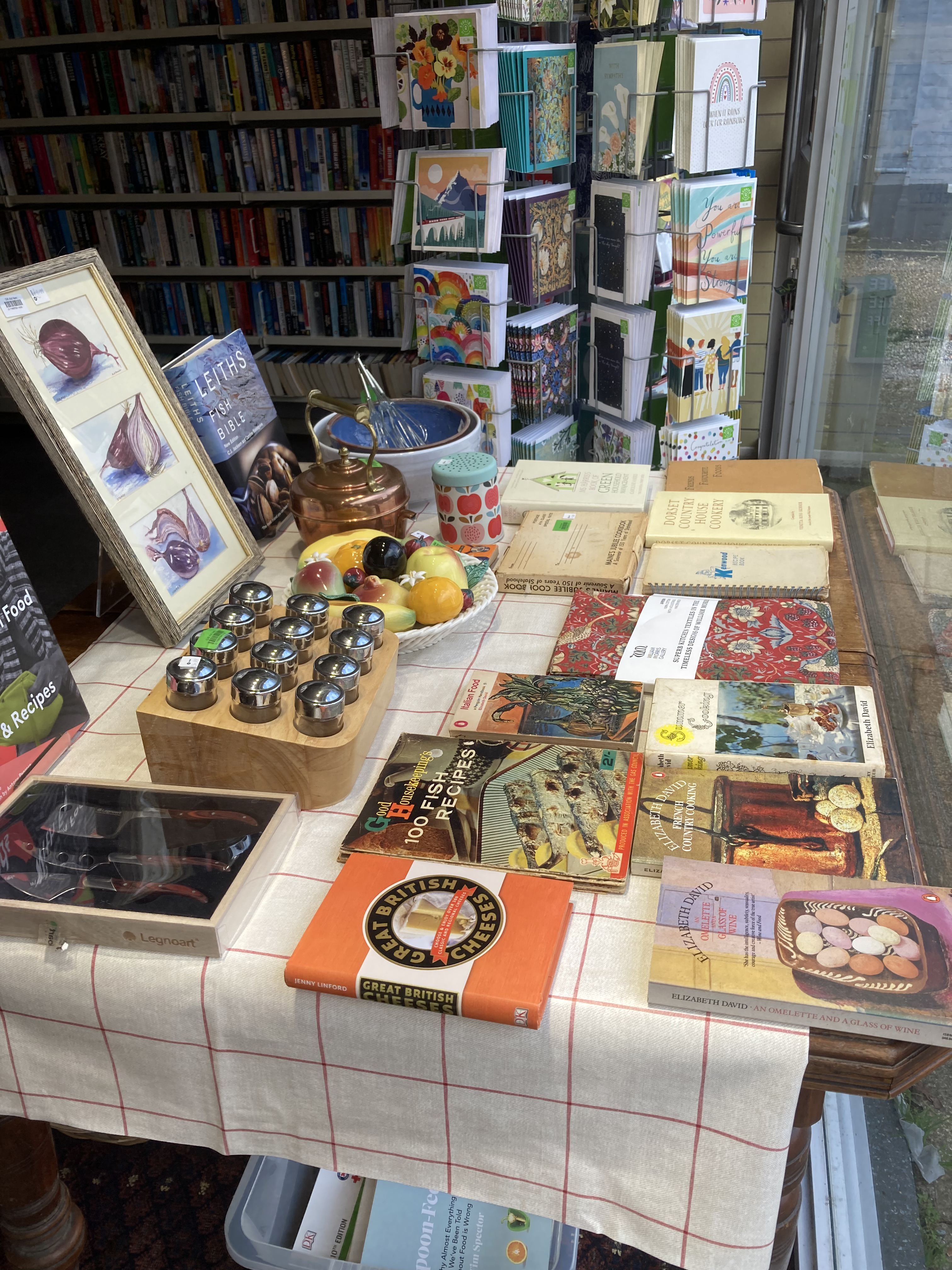
So, after Christmas I was thinking about that table to out out and I thought of cookery – what a surprise, my friends might say – and had a few old books and magazines relating to cookery which I thought might make a (slightly) interesting table.

I was upstairs sorting all this stuff out to fill a table when the volunteer downstairs let me know there had been a(another) donation.

When I abandoned my task and went downstairs, I found the donation included a copper kettle, a kitchen bowl, a set of cheese knives.

Sorted.

Finally, and thank you for keeping going this far, the end is nigh.

Sometimes I have a plan weeks in advance about table displays but sometimes I come in on a  Monday and wonder how I am going to make it work.

On one of these Mondays recently, I decided to put out books that were set in different countries.

Of course there were a few travel books, but also novels, history, etc etc. 

Now, there is nothing as useful as signalling your rather arcane theme than a prop and hey ho, someone, about twenty minutes later, donated a globe and some foreign coins. Thank you whoever you are.

And on the same day that it was announced Ronald Blythe had died at the age of 100 – most famously the author of Akenfield. Guess what I found stashed behind a pile of Jane Austen and John Betjamin…..

This is nearly the end.

Sometimes you have a donation which is not so much a delightful, serendipitous addition to your plan, as something you have to take a deep breath and think how on earth are we going to make this work.

A horse’s saddle.

Well, yes that was a bit of a surprise as a donation because it is not often we, as a book and music shop, get a saddle as a donation.

Apparently, someone brought it in and said her mother, a rider, had died and asked her daughter to give one each of her saddles to three charity shops in the town. (have to say, I have not seen saddles popping up all over town…)

So, instead of getting a bonus for a pre-planned display, we have had to build one around it. We have a lovely display of countryside and the saddle is front and centre.

God only knows what we do with it if it doesn’t sell – us volunteers, are so fed up of moving it out of the way in order to go to the loo.

And just as we thought we had sorted one large, in the way, unusual donation, we got a guitar.

One of our great volunteers was called in to tell us what it was worth. Some calling around and he came up with a price – £175 – a big deal for us.

So, my plans for the table were jettisoned smartly and here’s hoping it will sell before we have to drill holes in the wall and ‘erect’ a guitar holder.

Fingers crossed we have a guitar playing horse rider shopping in Petersfield this week…..

A Day Of Coins

Serendipity is part of the charm of working in the Oxfam bookshop. Usually it as about books but yesterday, it was about a remarkable you man, coins and stamps.

Now I don’t often work a Saturday afternoon but I have to say it is always interesting – a different demographic from a weekday, and busier – less time to do the titivating, tidying, sorting stuff that you can do Monday to Friday.

( As ever, a long-read warning but it is a heartening story so you might want to carry on at least for a bit.)

Anyway, there I am at the till with two Duke of Edinburgh Award young people doing their volunteering stints when in walks a young person of say 13 years old. ( I am surrounded by young people and it is making me feel old….)

The DofE young women are doing books, but he is not interested in books, he asks me if we have any pre-decimal coins, foreign coins and/or stamps.

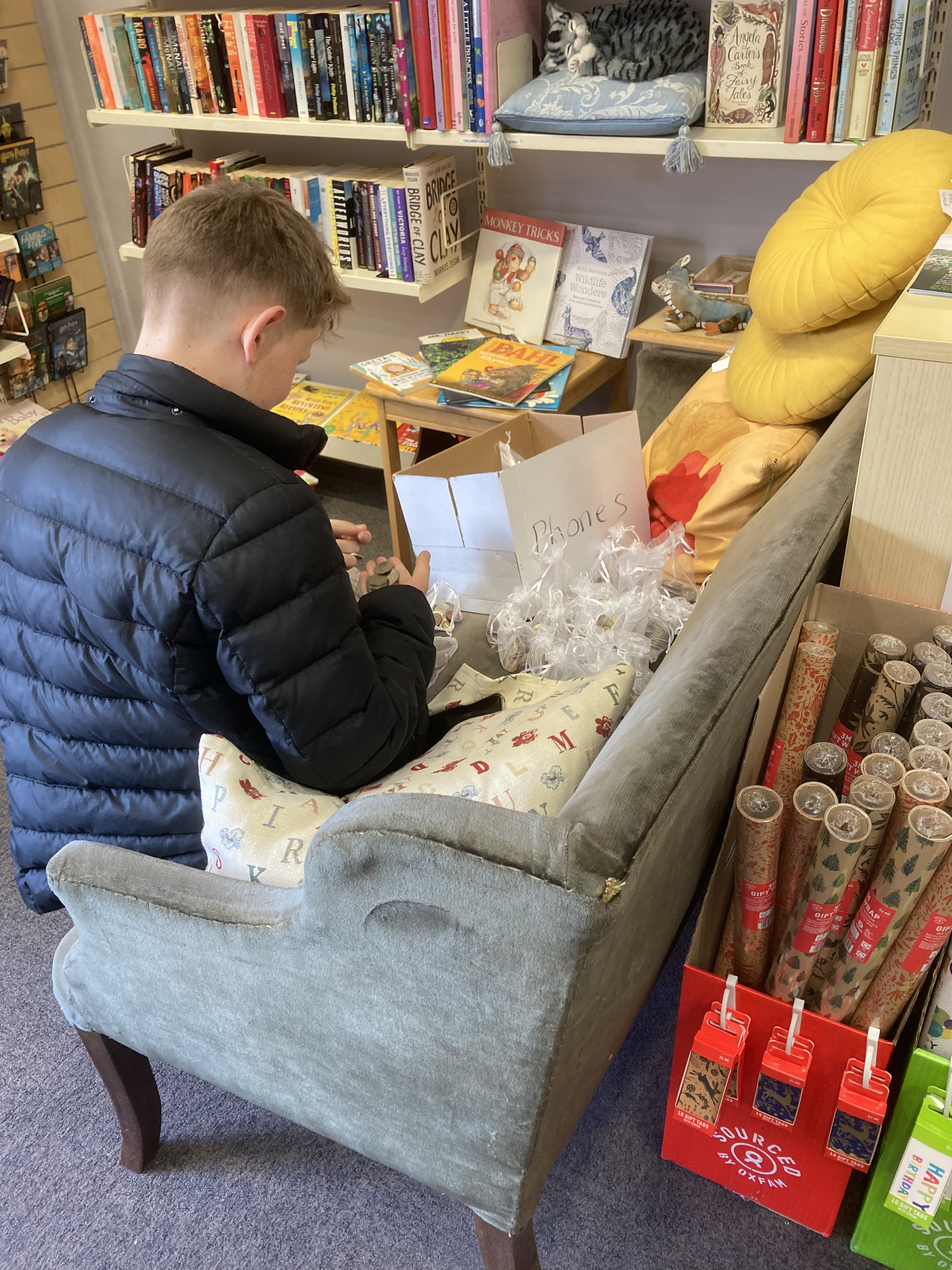
Well, as it happens we did have a load of coins which a lovely volunteer ( at the other end of the age spectrum) had sorted into organza bags. 

Last year we had unearthed a stash shoved under a workbench in the shop and which had been there for some years – and we sold them in aforementioned bags.

People bought them to put sixpences or threepences into their Christmas puddings, or bags of old pennies to ‘amaze’ their grandchildren, or foreign banknotes to play Monopoly with. We did well.

In case you need to see what the pences are:

So, she and I had decided to do the same this year and she waded through bags and bags and sorted them into pre-decimal British coins, foreign coins, silver coloured, brass coloured, etc etc. They were in a box upstairs.

‘Well,’ I said to the young man I will call Tom, ‘ We do have some. Do you want to have a look?’

He did and spent more than an hour sitting on our shop sofa, riffling through and telling me – and indeed customers – about when silver sixpences were phased out (1947), what the print runs of Penny Red stamps meant in terms of value, pulling out the incredibly light ( probably made from Aluminium) coins from Romania and much more.
He told me/us that his grandfather was a coin and stamp dealers and left Tom his collection – now stored in a large container – which is now working through.

Some of the stamps are now at Gibbons, he has sold some of his own and his grandfather’s collection and used the first money to buy a dog – but, he admitted, his Mum does most of the dog walking and feeding. Well what a surprise.

Customers came and went and Tom carried on, still telling me stuff in between me taking money from book buyers.

At one point, there was him, me and just one customer who said, ‘ I have a bag of old coins and I have never know what to do with it. Could I bring it here and and if there is anything valuable, I am sure you will identify it and Oxfam can benefit?’

‘Yes,’ said Tom and I together.

So, he eventually left taking some stamps and coins to research, and coins he had bought.

‘Thank you so much for trusting me with these,’ he said.

‘Well, I have your phone number and I do trust you. And thank you for an interesting afternoon,’ I said.

‘I’ll be back,’ he said – and I am sure he will.

Book buyers kept me busy until almost closing time when a young woman came in and said,’ This is a long shot but do you take old and foreign coins?”

‘Yes, we do’ I said and she gave me the last donation of the day.

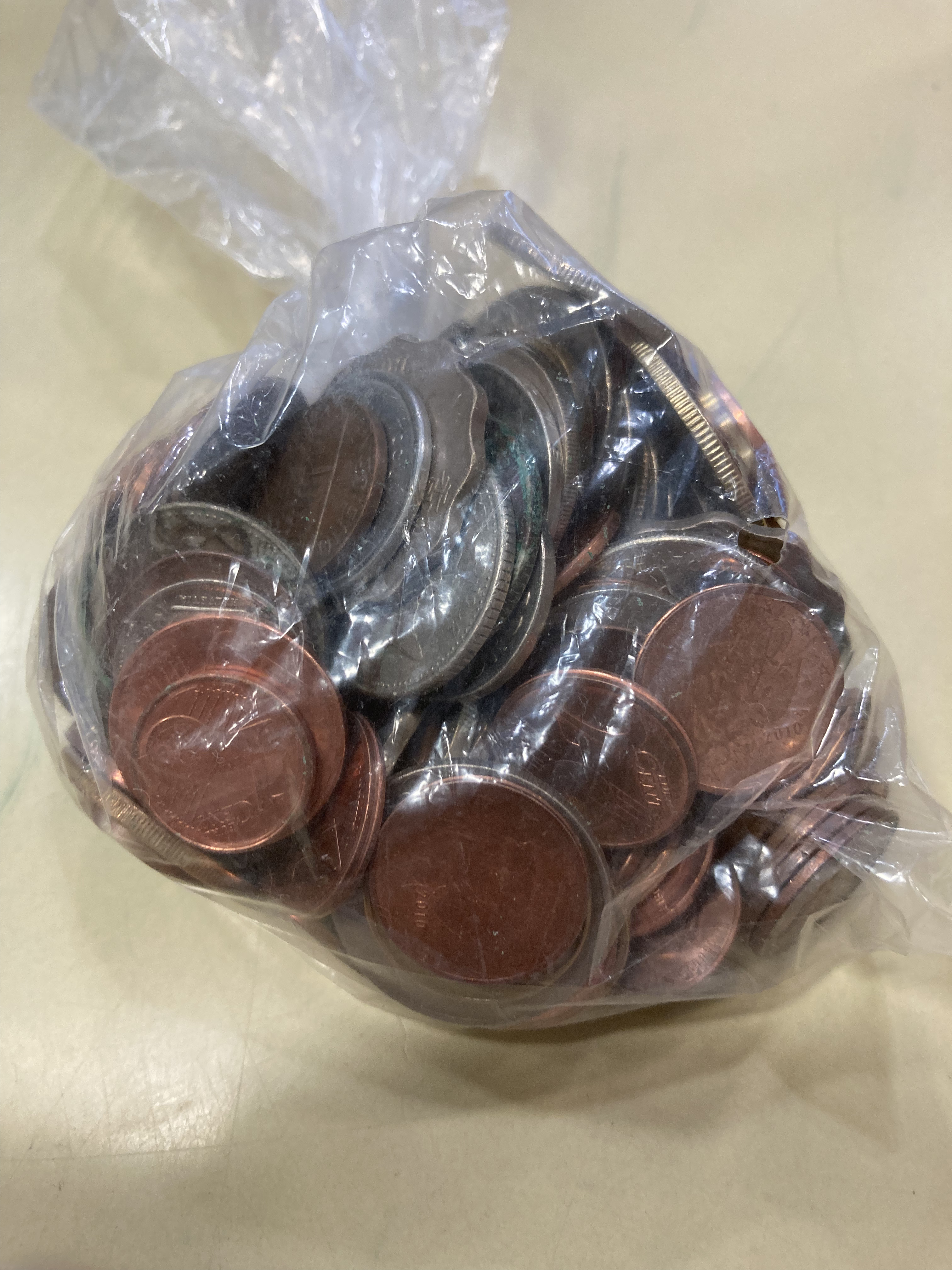
It was indeed a day of coins.